Explore Punakha Dzong, the jewel of Bhutan travel, where rivers converge to create a masterpiece of architecture and ancient history. Discover the best time to visit, key attractions, and essential tips for a deep dive into Bhutan's heart.

Punakha Dzong: Bhutan's Architectural Gem Where Rivers Converge
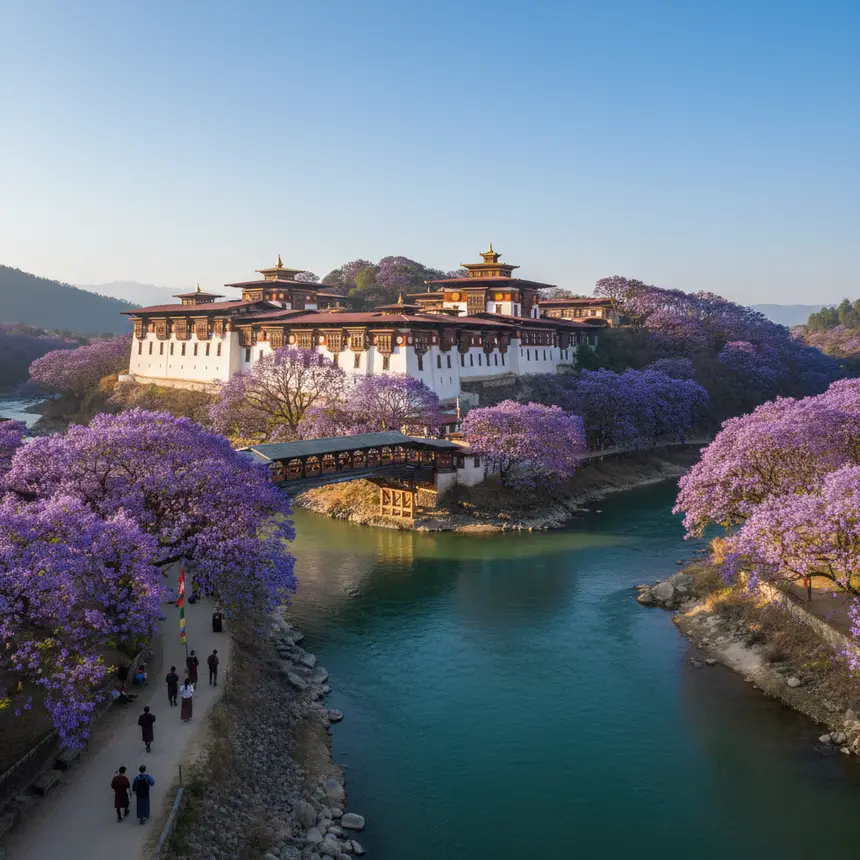
For anyone embarking on a Bhutan travel adventure, the Punakha Dzong invariably stands out as a profound and unforgettable experience. This isn't merely an ancient structure; it's a living monument that embodies the spirit, culture, and rich Bhutanese history. Many travelers consider it the 'climax' of their journey, and for good reason. Punakha Dzong represents a unique fusion of deep Buddhist philosophy and distinctive Bhutanese architectural prowess. What's truly remarkable is its construction: built entirely without nails, relying solely on traditional methods of timber, stone, and interlocking joinery, it has proudly stood for centuries. Its imposing silhouette, appearing to rise directly from the water, is a testament to the sophistication of ancient Bhutanese engineering. Visitors are encouraged to pause and appreciate this remarkable blend of architectural ingenuity and its harmonious integration with the surrounding natural landscape, soaking in Bhutan's unparalleled beauty.
Unlocking Centuries: A Deep Dive into Punakha Dzong's Rich Past
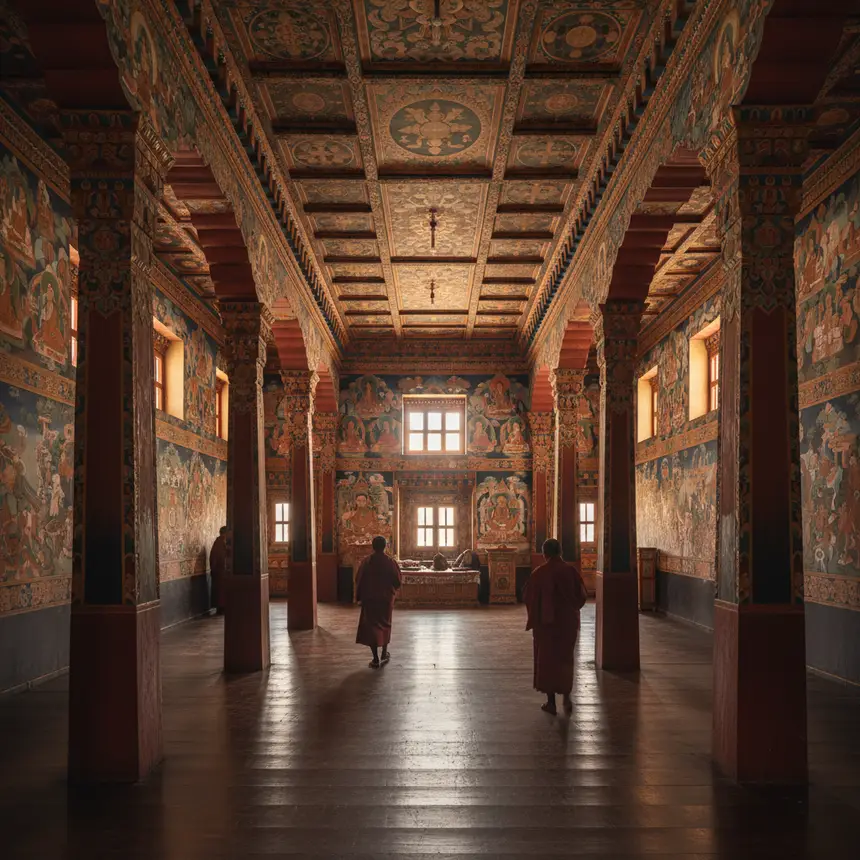
The allure of Punakha Dzong extends far beyond its stunning exterior. This site holds immense historical significance, marking a pivotal turning point in Bhutanese history. In the 17th century, the revered religious figure Zhabdrung Ngawang Namgyal, who arrived from Tibet, established this Dzong, laying the groundwork for a unified Bhutanese kingdom. Its strategic location at the confluence of two rivers—the Pho Chhu (Male River) and Mo Chhu (Female River)—on a narrow peninsula, made it both a natural fortress and a propitious site according to traditional beliefs. The grand wooden cantilever bridge leading to the Dzong isn't just an entrance; it provides a dramatic sense of stepping back in time. Though Bhutan's capital moved to Thimphu in 1955, Punakha Dzong retains its prestige, serving as the winter residence for the Je Khenpo, Bhutan's Chief Abbot. When exploring inside, two areas deserve particular attention: First, the Machhen Lhakhang, a sacred chamber housing Zhabdrung's remains, is a stunning display of Tibetan Buddhist art, adorned with vibrant murals and intricate wood carvings. Second, the 100-Pillar Assembly Hall, supported by a hundred intricately carved pillars, is where daily prayers and monastic ceremonies still take place, offering a glimpse into active spiritual life. To fully grasp Bhutan's architecture, culture, and history, engaging a local expert guide is highly recommended to uncover the profound narratives embedded within each space.
※ This post contains affiliate links. I may earn a commission at no extra cost to you.

Planning Your Visit: Best Seasons and Key Insights for Punakha Dzong
Punakha Dzong reveals different facets of its beauty with each changing season. For the most vibrant views, consider visiting in spring, from March to May, when the jacaranda trees around the Dzong burst into a spectacular display of purple blossoms, creating a breathtaking contrast with the emerald rivers. The mild temperatures during this period are also ideal for outdoor exploration. Autumn, from September to November, offers clear skies and golden fields, providing crisp, unobstructed views of the Himalayas and the chance to coincide with major Bhutanese festivals for an even richer experience. Winter, from December to February, sees fewer tourists, allowing for a more serene exploration of the Dzong and occasional glimpses into the monastic life, as it's the Je Khenpo's winter residence. It's important to remember that Bhutan maintains a unique tourism policy, requiring visitors to travel with a licensed guide rather than independently. This approach is fundamental to preserving Bhutan's distinct culture and pristine environment. When visiting Punakha Dzong, dressing modestly is essential. Inside religious areas, showing respect by removing hats and shoes, and adhering to photography restrictions, is customary. For travelers seeking deep cultural immersion, historical exploration, or tranquil beauty, Punakha Dzong promises an unforgettable journey into the heart of Bhutan.
Frequently Asked Questions
Q. Why is Punakha Dzong considered such an important site in Bhutan?
A. Punakha Dzong is historically significant as the place where Zhabdrung Ngawang Namgyal unified Bhutan in the 17th century. It served as Bhutan's capital for centuries and remains the winter residence for the Chief Abbot, the Je Khenpo, making it a crucial center for religion, politics, and culture.
Q. What is the best time of year to visit Punakha Dzong?
A. The spring months (March to May) are highly recommended for the beautiful jacaranda blossoms around the Dzong. Autumn (September to November) offers clear skies and great mountain views, often coinciding with local festivals. Winter (December to February) provides a quieter experience with fewer tourists and a chance to observe monastic life.
Q. What are the must-see areas inside Punakha Dzong?
A. Key highlights include the sacred Machhen Lhakhang, which houses the remains of Zhabdrung Ngawang Namgyal, and the grand 100-Pillar Assembly Hall, known for its intricate murals and daily monastic ceremonies. The wooden cantilever bridge leading to the Dzong also offers stunning photo opportunities.
Q. What cultural etiquette should visitors observe at Punakha Dzong?
A. When visiting, it's essential to dress modestly, covering shoulders and knees. Inside the Dzong, especially in sacred areas, visitors should remove their hats and shoes and respect any 'no photography' signs. Traveling with a licensed Bhutanese guide is mandatory.
Q. What other attractions can be combined with a visit to Punakha Dzong for a complete Bhutan experience?
A. To fully experience Bhutan, consider combining your visit to Punakha Dzong with iconic sites like the Tiger's Nest Monastery (Paro Taktsang), exploring the capital city of Thimphu, and enjoying the natural beauty of the Phobjikha Valley.