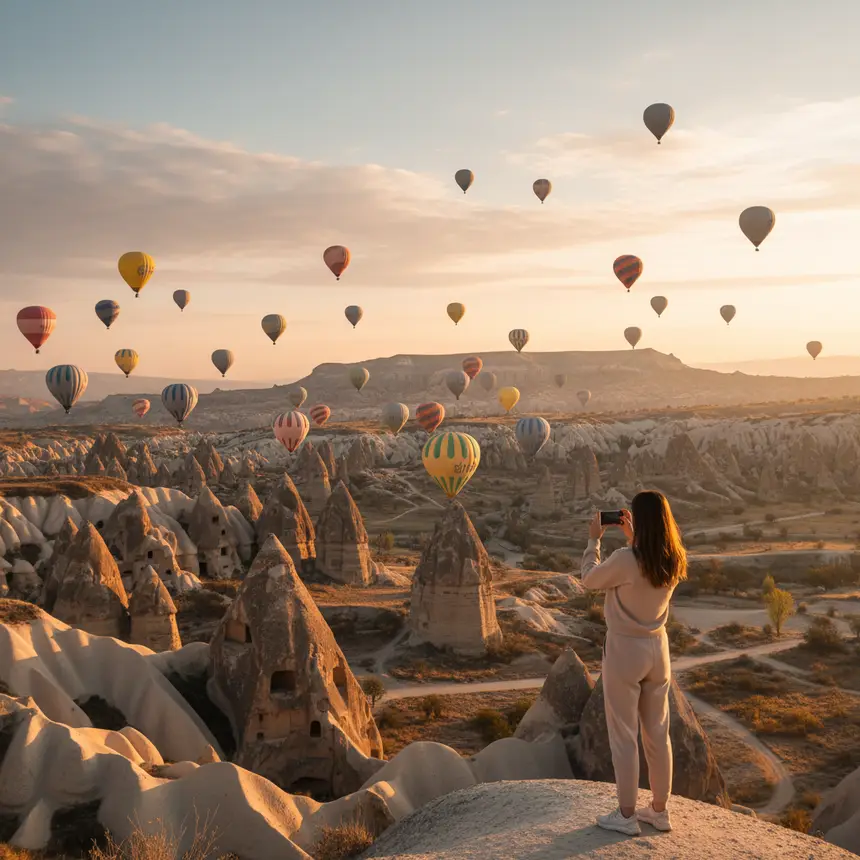
Embark on a journey to discover the serene charm of Bhutan's Himalayan kingdom. Punakha Dzong offers a unique blend of history and nature where two rivers converge. Experience the essence of Bhutanese culture in this sacred fortress.

Embarking on a Bhutanese Adventure: Your First Step into the Kingdom of the Thunder Dragon
For many American travelers, Bhutan represents an extraordinary, almost mythical destination. Nestled in the Himalayas, this kingdom offers a profound escape from the everyday, promising serenity and a deep dive into an untouched culture. However, venturing into such an unfamiliar land can bring a mix of excitement and practical questions. Where does one begin? How can you truly experience the authentic essence of Bhutanese travel? This guide aims to ease those initial concerns by introducing Punakha Dzong, a site that beautifully encapsulates Bhutan's rich history and spiritual depth. It's more than just a magnificent structure; it's a living testament to the nation's soul, offering an unforgettable introduction to this enigmatic country.
The Majestic Punakha Dzong: Where Rivers Converge and History Unfolds
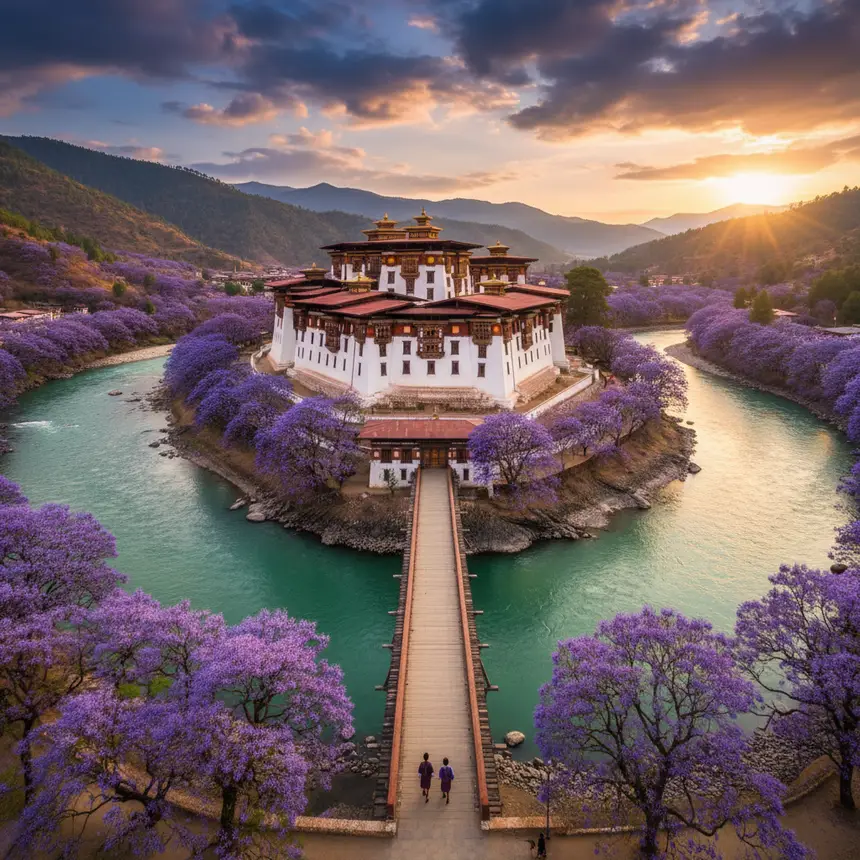
Situated at a comfortable elevation of about 4,000 feet, Punakha enjoys a milder climate compared to Bhutan's higher regions. At its heart lies the awe-inspiring Punakha Dzong, strategically built at the confluence of two significant rivers: the Pho Chhu (Male River) and Mo Chhu (Female River). This architectural marvel appears to float serenely on the water, its grandeur perfectly harmonizing with the surrounding natural beauty. In springtime, the area around Punakha Dzong transforms into a vibrant canvas as purple jacaranda blossoms frame the ancient fortress against the emerald waters, creating a picture-postcard scene unlike any other. This unique geographical placement solidifies Punakha Dzong's status as a quintessential wonder, blending human ingenuity with the majesty of the Himalayas.
※ This post contains affiliate links. I may earn a commission at no extra cost to you.

Punakha Dzong: A Chronicle of Bhutan's Illustrious Past
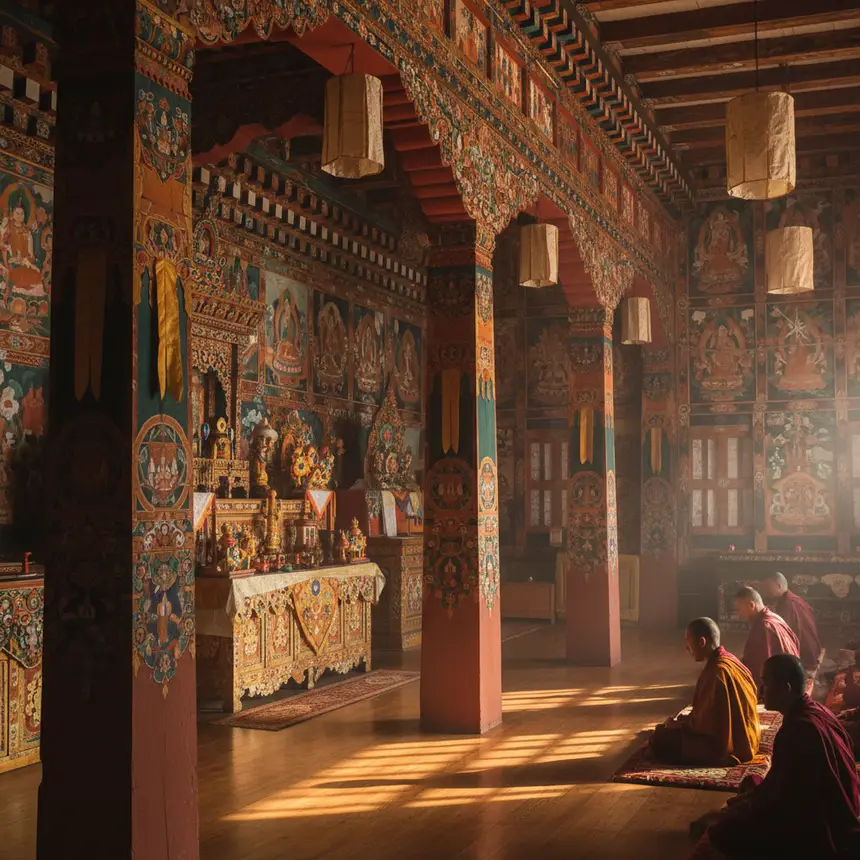
Beyond its visual appeal, Punakha Dzong is a pivotal historical landmark, founded in the early 17th century by Zhabdrung Ngawang Namgyal, revered as the unifier of Bhutan. It served as the capital of the nascent Bhutanese kingdom, playing a crucial role in both administrative and religious affairs. Even today, it retains its spiritual significance as the winter residence for the Chief Abbot, the Je Khenpo. Stepping inside Punakha Dzong, visitors are struck by the ingenious traditional construction, built entirely without nails, relying instead on interlocking timber and stone. Highlights include the Machhen Lhakhang, a highly revered chapel housing Zhabdrung's remains, and the grand assembly hall supported by a hundred pillars, adorned with intricate Buddhist murals and exquisite wood carvings. Walking across the traditional wooden bridge to access the dzong is an experience that transports you back in time.
Maximizing Your Punakha Dzong Experience: Insider Tips for Travelers
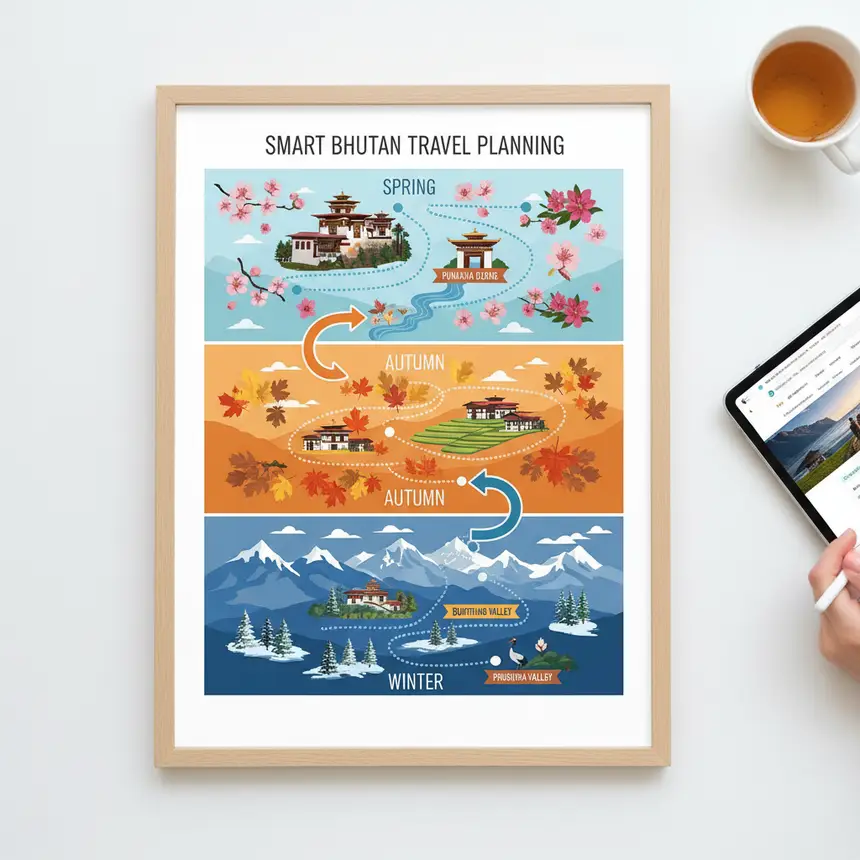
Punakha Dzong offers distinct charms with each changing season. Spring, from March to May, is arguably the most spectacular, as the jacaranda trees burst into vibrant purple bloom, creating an unparalleled photographic opportunity. Fall, spanning September to November, brings crisp, clear skies, ideal for panoramic Himalayan views and often coincides with vibrant local festivals. Winter (December to February) offers a quieter, more introspective visit, with fewer crowds and a chance to observe the monastic routines more closely. It's important for travelers to note that Bhutan operates under a unique 'high value, low impact' tourism policy, requiring visitors to travel with a government-approved guide. This policy is designed to preserve Bhutan's pristine environment and rich culture. By planning your Bhutan travel itinerary carefully with an expert, integrating Punakha Dzong with other iconic sites like Paro Taktsang (Tiger's Nest) and Thimphu, you can craft a truly comprehensive and enriching Bhutanese adventure.
Frequently Asked Questions
Q. What is the historical significance of Punakha Dzong in Bhutan?
A. Punakha Dzong holds immense historical importance as the former capital of Bhutan and the site where Zhabdrung Ngawang Namgyal established the unified Bhutanese state. It remains a vital religious and administrative center, serving as the winter residence for the Chief Abbot.
Q. When is the best time of year to visit Punakha Dzong?
A. The spring months of March to May are often considered the best, when the jacaranda trees around the dzong are in full purple bloom. Fall (September to November) offers clear weather for stunning views, while winter provides a quieter, more serene experience with fewer tourists.
Q. What architectural features should I look out for at Punakha Dzong?
A. Pay close attention to the traditional Bhutanese architecture, built without nails, using interlocking wood and stone. The strategic location at the confluence of two rivers, the sacred Machhen Lhakhang, and the grand assembly hall with its hundred intricately carved pillars and vibrant murals are particularly notable.
Q. Can I travel independently to Bhutan and visit Punakha Dzong?
A. Bhutan has a unique tourism policy requiring all foreign visitors to travel with a licensed Bhutanese tour operator and guide. This is part of their commitment to sustainable tourism, aiming to protect their cultural heritage and natural environment.