Uncover the best of Osaka and Kobe, from Dotonbori's vibrant nightlife to Kobe's historic Meriken Park and the exotic Kitano Ijinkan district. This guide offers essential tips for an unforgettable trip to Japan's Kansai region.

H2. Kansai's Dual Charm: Osaka's Dynamic Buzz Meets Kobe's Elegant Serenity
The Kansai region of Western Japan offers travelers a unique blend of urban dynamism and tranquil port city allure. A journey combining the vibrant energy of Osaka with the sophisticated, international atmosphere of Kobe provides a rich experience, perfect for a short weekend getaway or an extended vacation. These two cities, though distinct in character, are conveniently close, allowing for an efficient travel itinerary. Arriving via Kansai International Airport (KIX) is often a quick journey, with flights from nearby hubs taking around an hour and twenty minutes, setting a relaxed tone for your adventure. From towering skylines and bustling entertainment districts to historic waterfront parks and European-style hillside homes, the region promises diverse and unforgettable moments. Let's delve into the captivating attractions that Osaka and Kobe have to offer.
H2. Exploring Osaka and Kobe: A Feast for the Senses in Kansai
A trip through Osaka and Kobe in the Kansai region presents a delightful opportunity to indulge in rich culinary experiences and explore intriguing cultural landmarks.
- Kobe Nankinmachi (Chinatown): As one of Japan's three prominent Chinatowns, Nankinmachi is a lively district brimming with vibrant alleys and a vast array of street food. Savory steamed buns and sweet sesame balls are must-try delicacies. Even on a rainy day, strolling through the covered arcade streets offers a unique charm. The impressive Chōanmon Gate stands as an iconic symbol of this bustling area.
- Kitano Ijinkan Street: This charming hillside area was established as a residential zone for foreign settlers when Kobe Port first opened. It's characterized by its distinctive European-style architecture, including the former US Consulate's residence, built in 1903, and the striking Weathercock House with its iconic rooster-shaped vane. Many of these historical Western houses have been converted into quaint cafes and boutiques, perfect for a relaxing break.
- Kobe Meriken Park: The heart and symbol of Kobe Port, this park was developed in 1987 to commemorate the port's 120th anniversary. It thoughtfully preserves remnants from the devastating 1995 Great Hanshin Earthquake, adding a profound historical dimension. The 108-meter-tall Kobe Port Tower, completed in 1963, is renowned as the world's first pipe-structured building, earning it the nickname 'Iron Tower Beauty' for its unique design. Capturing a photo with the 'BE KOBE' monument against the harbor backdrop is a popular tradition for visitors.
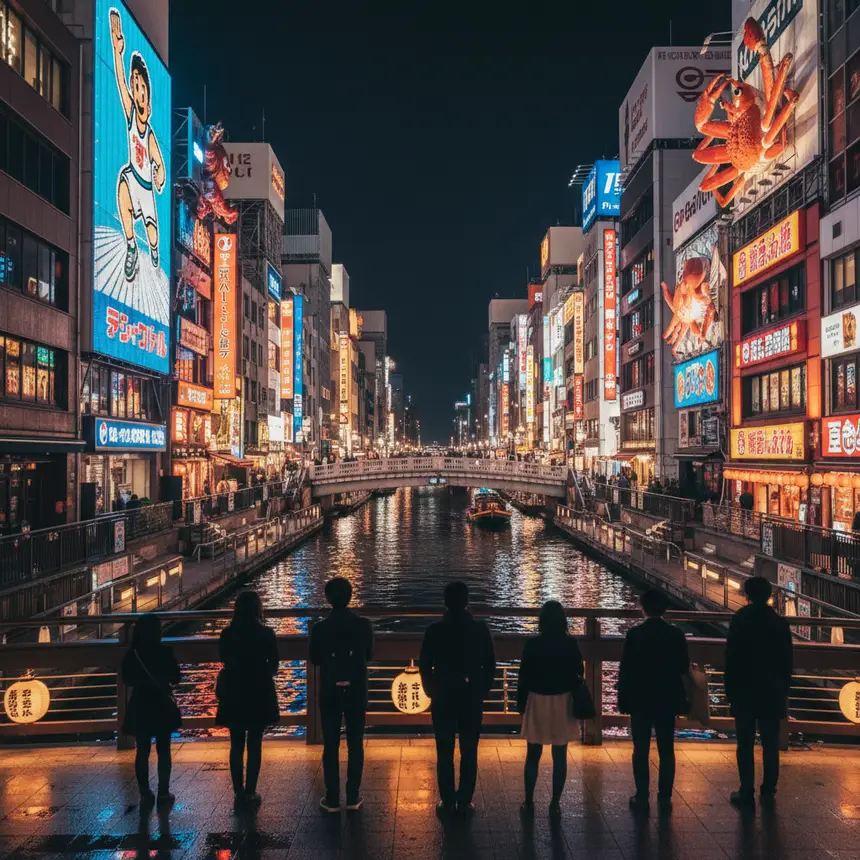
- Dotonbori: A highlight of any Osaka visit, Dotonbori is Osaka's premier entertainment district, where dazzling neon lights, picturesque canal views, and countless eateries converge. The iconic Glico Running Man sign, first installed in 1935, has become a potent symbol of Osaka, and taking a commemorative photo here is almost a rite of passage. A stroll along the canal immerses you in the city's electric energy.
※ This post contains affiliate links. I may earn a commission at no extra cost to you.

H2. Navigating Kansai: Essential Tips for Transport, Accommodation, and Budget
To ensure a smooth and enjoyable trip to Osaka and Kobe, practical planning is key. Smart choices regarding transportation, lodging, and budgeting can significantly enhance your experience.
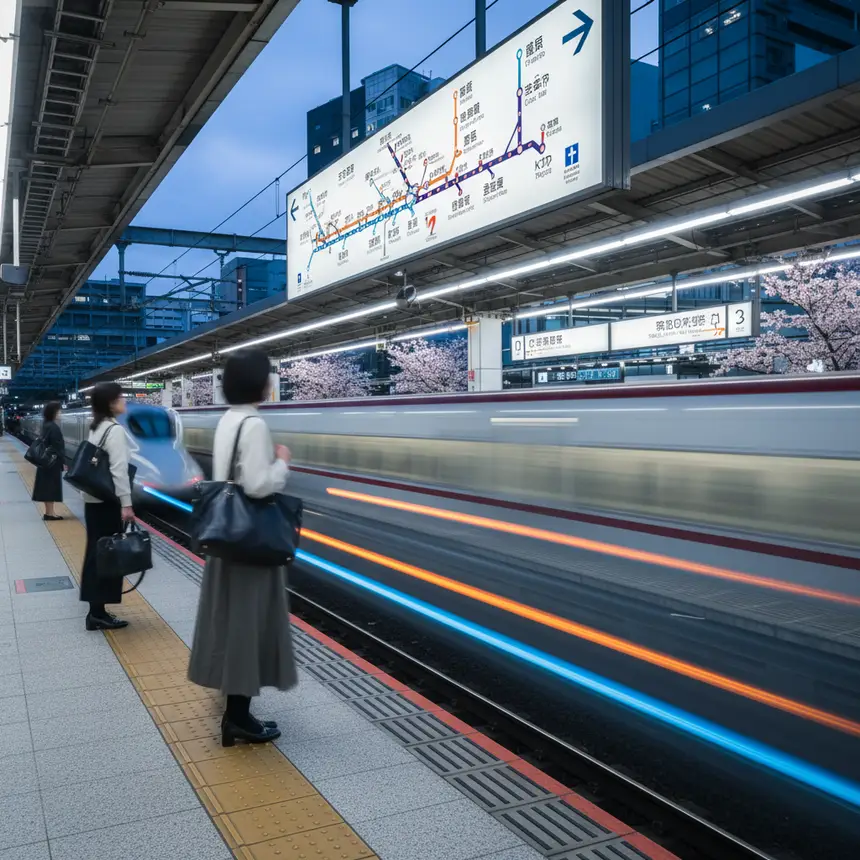
- Transportation: Kansai International Airport (KIX) serves as the primary gateway to the Kansai region. A flight from nearby international airports typically takes around 1 hour and 20 minutes. For inter-city travel between Osaka and Kobe, public transportation like JR trains and Hankyu or Hanshin railways are highly efficient. The region boasts a well-developed network of trains and express buses, making it easy to access major attractions without the need for a rental car.
- Accommodation: Opting for accommodation in central Osaka offers excellent accessibility and convenience. While many hotels provide breakfast, it's common for travelers to explore local eateries for lunch and dinner. Therefore, it's wise to allocate a sufficient portion of your budget for these meals.
- Budgeting: For a 2-night, 3-day trip, excluding airfare, a general budget of approximately $300 to $500 (USD) is a reasonable estimate for accommodation, meals, transportation, and attraction fees. Expect to spend around 10-20 USD per meal, and factor in extra for snacks or street food if you plan to indulge. Some organized group tours may include major meals and transport, offering added convenience for travelers.
H2. Maximizing Your Kansai Adventure: Final Advice and Recommended Traveler Types
To fully enrich your Osaka and Kobe experience, here are some final pointers, along with the types of travelers who will find this region particularly rewarding.
2. History enthusiasts who appreciate the harmonious blend of Japanese tradition, modernity, and Western influences in the landscape.
3. Foodies eager to sample a wide array of street foods and local specialties, indulging in a culinary journey.
4. Experience seekers who wish to enjoy both the lively nightlife of a big city and the relaxed ambiance of a port town.
5. Family travelers looking for a safe, convenient, and engaging destination that appeals to multiple generations.
- Travel Tips: Japan's weather can be unpredictable, so it's advisable to carry a compact umbrella or raincoat, especially during transitional seasons. Conducting some basic research on your chosen destinations beforehand can save valuable time on site and lead to a more profound experience. For popular spots like Dotonbori or Meriken Park, consider visiting during off-peak hours to avoid crowds, or utilize a portable tripod for steady photos amidst the bustling atmosphere.
- Recommended Traveler Types:
2. History enthusiasts who appreciate the harmonious blend of Japanese tradition, modernity, and Western influences in the landscape.
3. Foodies eager to sample a wide array of street foods and local specialties, indulging in a culinary journey.
4. Experience seekers who wish to enjoy both the lively nightlife of a big city and the relaxed ambiance of a port town.
5. Family travelers looking for a safe, convenient, and engaging destination that appeals to multiple generations.
Frequently Asked Questions
Q. Is it efficient to visit both Kobe and Osaka on a single trip?
A. Absolutely! Kobe and Osaka are easily connected by bullet trains (Shinkansen), JR lines, or Hanshin/Hankyu railways, with travel times typically ranging from 30 minutes to an hour. This makes it very efficient to explore the distinct charms of both cities within a single trip.
Q. What are the must-try foods in Dotonbori, Osaka?
A. In Dotonbori, you absolutely must try local Osaka specialties like Okonomiyaki (savory pancake), Takoyaki (octopus balls), and Kushikatsu (deep-fried skewers). The area is packed with fantastic eateries, so you'll have plenty of delicious options to choose from.
Q. What's the best way to get around Kitano Ijinkan Street and Meriken Park in Kobe?
A. You can use Kobe city buses to navigate between these areas, or if the weather is pleasant, walking allows you to soak in Kobe's atmosphere. Remember that Ijinkan Street is on a hillside, so comfortable shoes are a good idea.
Q. What's a reasonable budget for a 3-day, 2-night trip to Osaka and Kobe?
A. For a 3-day, 2-night trip, excluding airfare, a budget ranging from $300 to $500 USD is generally reasonable. This can vary based on your choice of accommodation, dining preferences, and shopping habits.
Q. Are there any specific photo spots or landmarks to look out for at Kobe Meriken Park?
A. At Kobe Meriken Park, taking a photo with the 'BE KOBE' monument is a must-do. Also, be sure to capture the unique architecture of the Kobe Port Tower, and consider visiting the memorial park that preserves remnants of the 1995 Great Hanshin Earthquake for a moment of reflection.