Dreaming of an Italian adventure in Rome, Florence, and Venice? Discover essential itineraries, local tips, and crucial packing advice for a smooth and unforgettable Italy trip. Navigate the complexities of European travel with confidence and joy.

Navigating Your First Italian Adventure: Common Questions and Concerns
The thought of an Italian vacation, immersed in rich history, stunning art, and exquisite cuisine, is undeniably thrilling. However, for many, the initial excitement can quickly turn into apprehension when faced with the complexities of planning a trip to a country as diverse as Italy. How do you decide which iconic cities like Rome, Florence, and Venice to visit, and for how long? What are the absolute must-see attractions, and how can you ensure you're prepared for unexpected situations? The sheer volume of information can be overwhelming, making it difficult to craft an itinerary that truly captures the essence of Italy without feeling rushed or overwhelmed. Especially when aiming to balance historical exploration, artistic immersion, and culinary delights across distinct urban landscapes, a strategic approach is key. This guide is designed to address those common concerns, offering practical advice to help you meticulously plan your Italian journey. We'll delve into understanding the unique charm of each major city and provide actionable tips for a genuinely enriching experience.
Unveiling Italy's Gems: Rome, Florence, and Venice Exploration Guide
Rome, Florence, and Venice stand as monumental pillars of Italian culture, each offering a distinct and captivating experience. To truly savor their individual charms without rushing, it's highly recommended to allocate a minimum of two nights in each city.
Rome: A Journey Through Ancient Grandeur
Rome, often called the "Eternal City," feels like an open-air museum where history breathes around every corner. Its central attractions are remarkably walkable, inviting you to explore on foot.
Florence: Renaissance Art and Culinary Delights
Florence, the cradle of the Renaissance, is a more compact city than Rome but radiates an intense artistic allure.
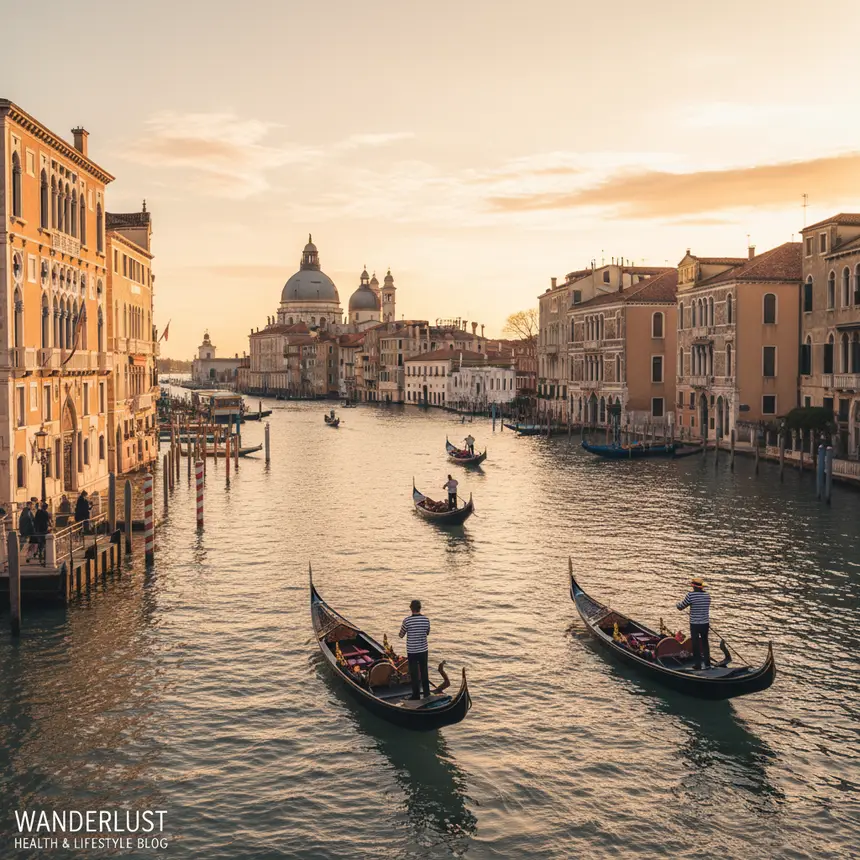
Venice: The Romantic City on Water
Venice, a unique city built on canals, offers an unparalleled romantic charm and distinct modes of exploration.
Rome: A Journey Through Ancient Grandeur
Rome, often called the "Eternal City," feels like an open-air museum where history breathes around every corner. Its central attractions are remarkably walkable, inviting you to explore on foot.
- Historical Walking Tours: Wander through the Colosseum, Roman Forum, Pantheon, and toss a coin into the Trevi Fountain. Each step unveils layers of ancient Roman glory, bringing history to life before your eyes.
- Vatican City Immersion: As the smallest independent state and the spiritual heart of Catholicism, Vatican City is an indispensable stop. To fully appreciate St. Peter's Basilica and the Vatican Museums' unparalleled art collections, plan an early morning visit. Be sure to carry a hat and sunglasses to combat potentially long queues and intense sun exposure.
- Southern Escapades: Consider a day trip from Rome to explore the dramatic landscapes of Southern Italy, such as Pompeii and the Amalfi Coast. Given the early departure times, utilize travel time in the vehicle for relaxation and rest.
Florence: Renaissance Art and Culinary Delights
Florence, the cradle of the Renaissance, is a more compact city than Rome but radiates an intense artistic allure.
- Duomo Ascent and City Vistas: Climbing to the top of the Duomo (Cattedrale di Santa Maria del Fiore) offers breathtaking panoramic views of Florence. Securing a timed entry reservation well in advance is crucial to guarantee your visit.
- A Taste of Tuscany: A trip to Florence would be incomplete without indulging in a magnificent Florentine T-bone steak. Enjoy this culinary masterpiece at a local trattoria; sharing a generous portion among a group can make it a surprisingly affordable and memorable dining experience.
- Cinque Terre Excursion: For summer travelers, a journey to Cinque Terre – five picturesque fishing villages clinging to the Mediterranean coast – is a must. Easily accessible by train, these villages boast stunning emerald waters perfect for swimming, often well into September.
Venice: The Romantic City on Water
Venice, a unique city built on canals, offers an unparalleled romantic charm and distinct modes of exploration.
- Embrace Water Transport: The most efficient and enjoyable way to navigate Venice's main island and its surrounding islets is by vaporetto, the city's water bus system. Purchasing a 24-hour pass allows for unlimited travel, letting you soak in the unique cityscape from the water.
- Island Hopping Adventures: Discover the vibrant glass-making traditions of Murano Island and the colorful, pastel-hued houses of Burano Island. A vaporetto ride to these islands provides a delightful contrast to the main island and fantastic photo opportunities.
- St. Mark's Square Vibrancy: At the heart of Venice, St. Mark's Square is home to iconic landmarks like St. Mark's Basilica and the Doge's Palace. Immerse yourself in the lively atmosphere of the piazza while admiring these historic architectural wonders.
※ This post contains affiliate links. I may earn a commission at no extra cost to you.


Essential Checklist and Prudent Advice for Your Italy Trip
To ensure your Italian vacation is both memorable and smooth, thorough preparation and smart on-the-ground decisions are paramount. Utilize the following checklist and tips for a safer and more enjoyable experience.
1. Key Travel Preparations and Safety Tips
2. Smart Budgeting and Expenditure Advice
3. Understanding Local Culture and Etiquette
An Italian journey is much more than mere sightseeing; it's an immersive experience that engages all senses—history, art, and gastronomy. With thorough preparation and an open heart, you are set to fully embrace the enchantment of Italy.
1. Key Travel Preparations and Safety Tips
- Phone Security Strap: Given the prevalence of petty theft, particularly pickpocketing and snatch-and-grab incidents, in popular Italian tourist areas, it is vital to secure your phone with a wrist strap. Always be vigilant when using or storing your phone, keeping it out of easy reach.
- Secure Bag Choice: Opt for a cross-body bag or fanny pack worn across the front of your body instead of a backpack. Always keep your valuables close and in sight, especially in crowded locations.
- Passport and ID Management: Store your original passport securely in your hotel safe. When exploring, carry a photocopy of your passport or a digital image on your phone. Losing your passport can significantly disrupt your trip, so extreme caution is advised.
- Sun Protection Essentials: Italy experiences intense sunlight, far stronger than many other regions, which can affect eye health and cause sunburn. Pack sunglasses and a wide-brimmed hat to protect yourself from the powerful UV rays.
2. Smart Budgeting and Expenditure Advice
- Meal Budgeting: For a typical restaurant meal, plan for approximately 20 euros per person. Upscale dining or specific specialty dishes might cost more, so it's wise to check menus beforehand.
- Leverage Local Grocery Stores: To manage dining costs, consider buying groceries from local supermarkets. Preparing simple meals in your accommodation or grabbing ready-to-eat sandwiches from a local deli can be a cost-effective and authentic way to experience local fare. European markets offer a delightful array of fresh produce and snacks.
- Public Transport Planning: Rome and Florence are largely walkable, meaning transport costs might be minimal for central sightseeing. In Venice, purchasing a 24-hour vaporetto pass is the most efficient way to navigate the canals and visit surrounding islands. Familiarize yourself with local transportation options in advance to avoid unexpected expenses.
3. Understanding Local Culture and Etiquette
- Basic Greetings: Using simple Italian greetings like "buon giorno" (good morning), "buona sera" (good evening), and "grazie" (thank you) can create positive interactions with locals.
- Dress Code for Sacred Sites: When visiting churches, cathedrals, or other religious sites, ensure your shoulders and knees are covered as a sign of respect.
- Tipping Customs: While tipping isn't strictly mandatory in Italy, it's customary to leave a small tip (often rounding up the bill or 5-10% of the total) if you're satisfied with the service.
An Italian journey is much more than mere sightseeing; it's an immersive experience that engages all senses—history, art, and gastronomy. With thorough preparation and an open heart, you are set to fully embrace the enchantment of Italy.
Frequently Asked Questions
Q. What are the most crucial items to pack for a trip to Italy?
A. Due to potential pickpocketing risks in Italy, securing personal belongings is paramount. Essential items include a phone wrist strap, a secure bag worn close to the body (like a cross-body bag), and carrying a photocopy of your passport instead of the original. Sunglasses and a hat are also crucial for protection against the strong Mediterranean sun.
Q. How many nights are recommended for staying in Rome, Florence, and Venice?
A. To truly appreciate each city without feeling rushed, it's recommended to stay at least two nights in each. Rome typically warrants three nights, while Florence and Venice are comfortable with two nights each. If your itinerary is extremely tight, considering just one night in Venice might be an option over Florence.
Q. What should I know about dining in Italy, especially regarding local specialties?
A. Famous dishes like Florence's T-bone steak can be pricey. A general budget for a standard restaurant meal is around 20 euros per person. It's also advisable to seek out restaurants favored by locals rather than just tourist traps, as quality and price can vary significantly near major attractions.
Q. Are there any useful tips for using public transportation in Italy?
A. Rome and Florence are quite walkable for central attractions, but buses or trams are available for longer distances. In Venice, purchasing a 24-hour vaporetto (water bus) pass is the most efficient way to travel between key sights and nearby islands. Using Google Maps for real-time transport information can also be very helpful.
Q. Famous attractions in Italy are often crowded. How can I minimize waiting times?
A. Yes, popular sites like the Vatican Museums in Rome or the Duomo in Florence can have very long queues, especially during peak season. To minimize wait times, it's highly recommended to book tickets online in advance through official websites. Visiting early in the morning or closer to closing time can also help reduce crowds.