Dreaming of an epic Swiss rail adventure? Discover how the Swiss Travel Pass unlocks seamless travel across Switzerland, including a perfect day trip to Zurich. Get expert tips for maximizing your pass and exploring stunning landscapes without a hitch.

Embarking on Your Swiss Adventure: Navigating Costs with Smart Transport Choices
Switzerland, with its majestic Alps, serene lakes, and vibrant cities, offers an unparalleled travel experience. However, the country's stunning beauty often comes with a higher price tag, a common concern for many visitors. For those planning to explore multiple destinations efficiently, transportation costs can quickly add up. In a land dominated by mountains, trains are not just a means of getting around; they are an integral part of the scenic journey. Yet, purchasing individual tickets for each leg of your trip can be both time-consuming and expensive. The solution to this common traveler's dilemma is the Swiss Travel Pass. This single pass eliminates the need for complicated fare calculations, offering unlimited access to Switzerland's extensive public transport network. It allows you to explore the country economically and conveniently, making your rail adventures worry-free. Prepare to discover enchanting cities like Zurich and beyond, all seamlessly connected by the indispensable Swiss Travel Pass.
Mastering the Swiss Travel Pass: From Purchase to Exploring Zurich
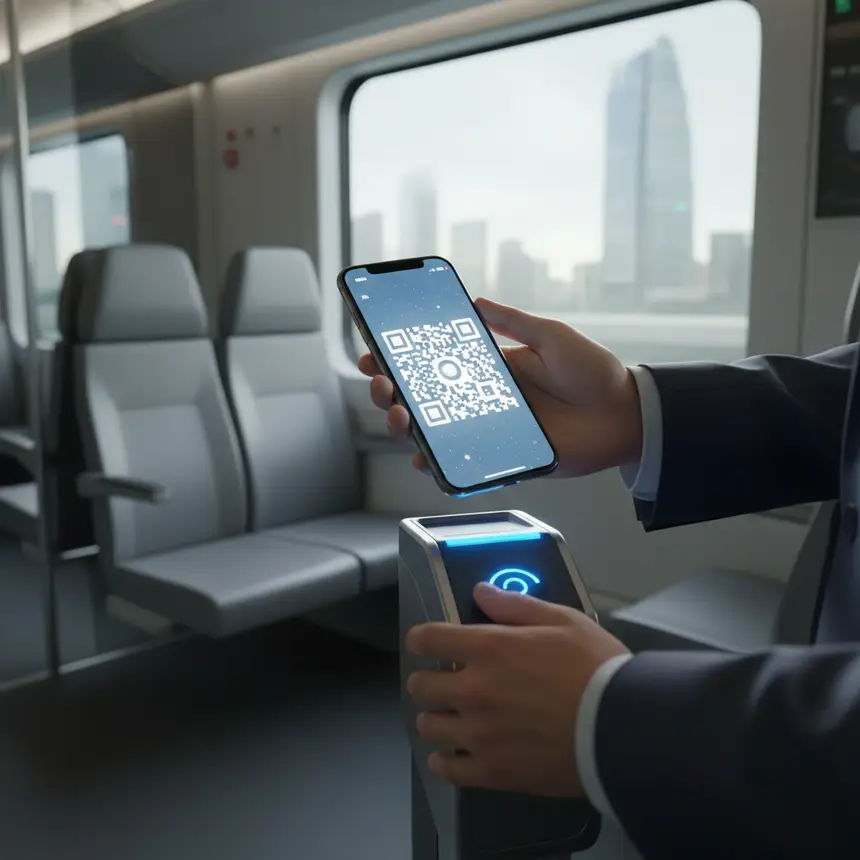
The Swiss Travel Pass is an all-in-one ticket granting unlimited access to Switzerland's comprehensive public transportation system. Travelers can choose between a consecutive pass or a flexible pass (Swiss Travel Pass Flex), depending on their itinerary, with options for both first and second class. The acquisition process is remarkably straightforward. After selecting your desired pass type and duration online, a mobile voucher or QR code is issued. This digital pass can be saved on your smartphone and presented as needed, eliminating the hassle of visiting ticket counters or carrying physical tickets. Using the pass is just as simple: board any eligible train with your QR code ready, and present it to the conductor upon request. The Swiss Travel Pass covers trains, buses, and boats across Switzerland, offers discounts on selected mountain railways and cable cars, and provides free entry to over 500 museums and art galleries.
Consider a journey from Lucerne to Zurich, a route that takes approximately 40 minutes and operates with subway-like frequency. With a Swiss Travel Pass, you can hop on this train without needing an extra ticket, arriving directly at Zurich Main Station, a pivotal hub in Switzerland. Zurich acts as a gateway, whether you're flying in internationally, heading to other iconic Swiss cities like Bern, Interlaken, or Zermatt, or even transitioning to neighboring countries like Germany or Austria. The pass facilitates these connections effortlessly. To further enhance your travel efficiency, always check train schedules in advance using a dedicated public transport app on your smartphone.
Consider a journey from Lucerne to Zurich, a route that takes approximately 40 minutes and operates with subway-like frequency. With a Swiss Travel Pass, you can hop on this train without needing an extra ticket, arriving directly at Zurich Main Station, a pivotal hub in Switzerland. Zurich acts as a gateway, whether you're flying in internationally, heading to other iconic Swiss cities like Bern, Interlaken, or Zermatt, or even transitioning to neighboring countries like Germany or Austria. The pass facilitates these connections effortlessly. To further enhance your travel efficiency, always check train schedules in advance using a dedicated public transport app on your smartphone.
※ This post contains affiliate links. I may earn a commission at no extra cost to you.


Your Perfect Zurich Day Trip: Suggested Itinerary and Essential Tips
Arriving at Zurich Main Station with your Swiss Travel Pass, you're perfectly positioned to explore the city's highlights on foot. Here’s an efficient itinerary to capture Zurich's charm, even with limited time:
Pre-Trip Checklist:
1. Pass Selection: Decide on the best pass for your trip – consecutive or flexi, first or second class – well in advance.
2. Digital Readiness: Ensure your Swiss Travel Pass QR code is downloaded to your smartphone, and your phone is fully charged. Install a reliable Swiss public transport app (e.g., SBB Mobile) for real-time schedule updates.
3. Itinerary Outline: Have a general idea of your route within Zurich and to any other cities you plan to visit with the pass to optimize your time.
Important Considerations:
- Lindenhof Hill: A mere 15-minute walk from the main station, this historic site, once a Roman fortress, offers unparalleled panoramic views. From here, you can admire the Limmat River, Zurich's old town, and the distant mountains – a prime spot for photography.
- Limmat Riverfront and Old Town: Descend from Lindenhof and stroll along the Limmat River. Immerse yourself in the charming atmosphere and admire the historic architecture. Don't miss exploring iconic churches like the Grossmünster and Fraumünster, both rich in history.
- Bahnhofstrasse: This world-renowned shopping street is lined with luxury boutiques, department stores, and prestigious Swiss watchmakers. Even if you're just window shopping, it's an experience in itself. Consider relaxing at a café to soak in the local ambiance if time permits.
Pre-Trip Checklist:
1. Pass Selection: Decide on the best pass for your trip – consecutive or flexi, first or second class – well in advance.
2. Digital Readiness: Ensure your Swiss Travel Pass QR code is downloaded to your smartphone, and your phone is fully charged. Install a reliable Swiss public transport app (e.g., SBB Mobile) for real-time schedule updates.
3. Itinerary Outline: Have a general idea of your route within Zurich and to any other cities you plan to visit with the pass to optimize your time.
Important Considerations:
- While the Swiss Travel Pass covers most transport, some popular mountain excursions, like Jungfraujoch, may only offer discounts rather than free passage. Always verify specific route coverage beforehand.
- Most standard trains operate with open seating, but certain scenic routes or special trains might require advance seat reservations.
- Keep valuables secure and be particularly mindful of your belongings in crowded areas like train stations and on public transport.
Frequently Asked Questions
Q. What are the different types of Swiss Travel Passes available?
A. There are two main types: the 'Swiss Travel Pass' for consecutive days of travel, and the 'Swiss Travel Pass Flex' for non-consecutive days. Both come in durations like 3, 4, 6, 8, or 15 days, and you can choose between first or second class.
Q. How do I use my Swiss Travel Pass after I've purchased it?
A. After an online purchase, you'll receive a mobile voucher (QR code). Simply save this QR code on your smartphone. When riding trains or other transport, present this digital code to the conductor or staff when they check tickets. There's no need for separate activation at a station.
Q. Does the Swiss Travel Pass cover mountain excursions?
A. The Swiss Travel Pass typically offers 25% to 50% discounts on most mountain railways and cable cars. Some routes might even be fully covered. However, popular routes like Jungfraujoch usually offer only a discount, so it's always best to check the specifics for any particular mountain excursion you plan.
Q. How far can I travel from Zurich using the Swiss Travel Pass?
A. The Swiss Travel Pass grants unlimited travel on trains, buses, and boats throughout Switzerland, including Zurich's local public transport. From Zurich, you can easily reach major cities like Lucerne, Bern, and Interlaken, making it an excellent hub for exploring the country.
Q. Is it worth upgrading to a 1st Class Swiss Travel Pass?
A. While 2nd class offers perfectly comfortable travel, 1st class provides more spacious seating and a generally quieter atmosphere. If you're undertaking longer journeys or prefer a more luxurious experience and your budget allows, 1st class can enhance your trip. The choice depends on your personal preferences and travel budget.