Discover the ultimate guide for your 3-day Hanoi and Halong Bay adventure, exploring Northern Vietnam's charm. Find efficient itineraries, culinary delights, and practical tips for an unforgettable journey.

Hanoi and Halong Bay: Unveiling the Charms of Northern Vietnam
A journey through Hanoi, Vietnam's vibrant capital, and the breathtaking UNESCO World Heritage site of Halong Bay offers an unforgettable experience, even within a compact 3-day itinerary. These two destinations present a captivating blend of experiences: from Hanoi's ancient streets steeped in history and bustling with life, to Halong Bay's mystical seascape dotted with thousands of limestone karsts rising from emerald waters. This trip provides an ideal opportunity to immerse yourself in both the energetic pulse of a dynamic city and the tranquil beauty of nature's masterpiece. Exploring the rich cultural tapestry and diverse culinary scene of Hanoi, followed by serene moments amidst the fairy-tale landscapes of Halong Bay, is an antidote to the stresses of daily life. It’s often considered a perfect combination for first-time visitors to Vietnam and those seeking to experience the essence of Northern Vietnam in a short timeframe. Witnessing the daily life unfold in bustling markets, strolling through historical architecture, and then being awestruck by world-renowned natural wonders will create lasting memories that you'll cherish for years to come.

Your Essential Guide to a 3-Day Hanoi & Halong Bay Expedition
Effectively planning your 3-day adventure across Hanoi and Halong Bay ensures you capture the unique essence of each location. Upon arrival in Hanoi, dedicate your first day to exploring the lively Old Quarter, soaking in the local atmosphere. Stroll around Hoan Kiem Lake, wander through the labyrinthine 36 Streets, admiring traditional Vietnamese architecture and charming shops. For dinner, embark on a street food tour to savor local delicacies like Pho, Bun Cha, and Nem. Day two is for delving into Hanoi's cultural depth; visit the Temple of Literature, Vietnam's first national university, and unwind with a unique Egg Coffee at a local cafe. In the afternoon, explore the famous Train Street for unique photo opportunities, and consider a cyclo or tram ride to see key city landmarks. Day three marks your journey to Halong Bay for an immersive cruise experience. The transfer from Hanoi to Halong Bay typically takes about 2.5 to 3 hours by road; it’s wise to pre-book your transfer for convenience. On your Halong Bay cruise, you can enjoy various activities such as exploring Sung Sot Cave, paddling through Luon Cave via sampan boat, hiking to Ti Top Island's summit for panoramic views, and relishing fresh seafood on board. Day four could involve further exploration around Halong Bay or returning to Hanoi for last-minute discoveries, such as a water puppet show or visiting local markets. On your final day, allow time for souvenir shopping or revisiting a favorite spot before heading to the airport for departure. For efficient travel and comfort, utilize private transfers or reliable ride-sharing apps like Grab for major journeys. When choosing accommodation, consider boutique hotels in Hanoi’s Old Quarter or resorts near Halong Bay, aligning with your budget and preferences.
※ This post contains affiliate links. I may earn a commission at no extra cost to you.

Hanoi-Halong Bay Travel: Practical Tips and Recommendations
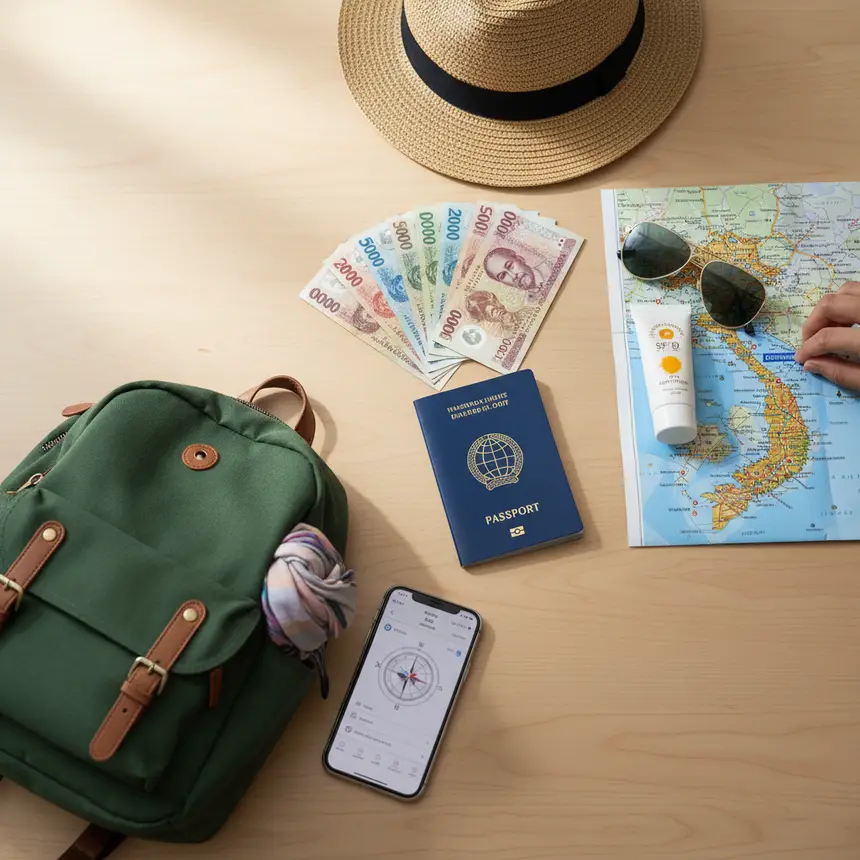
To make your Hanoi and Halong Bay trip as smooth and enjoyable as possible, here are some practical tips. Firstly, for your travel budget, excluding flights and accommodation, anticipate spending approximately $40 to $80 USD per person per day. This covers meals, local transportation, entrance fees, light shopping, and perhaps a massage, though it can be adjusted based on your travel style. Halong Bay cruises, in particular, range from budget-friendly to luxurious, so choose one that fits your financial plan. Secondly, it's beneficial to exchange your currency to Vietnamese Dong (VND) locally after converting your home currency to USD; while major tourist spots and larger stores accept credit cards, cash is essential for smaller shops and street food vendors. Thirdly, Vietnam's climate is often hot and humid, so pack breathable clothing, comfortable walking shoes, sunscreen, a hat, and sunglasses. Fourthly, if you're sensitive to hygiene, opt for well-reviewed restaurants over street food, or carry your own bottled water. Lastly, to avoid overpaying for transportation, use metered taxis or ride-sharing apps like Grab instead of negotiating fares with random taxis. This journey is ideal for cultural explorers eager to delve into Vietnamese heritage, nature lovers seeking tranquility amidst stunning landscapes, and active families looking for engaging tours. Especially for first-time visitors to Vietnam, meticulous planning of your itinerary and budget beforehand will contribute to a more satisfying and memorable travel experience.
Frequently Asked Questions
Q. When is the best time to visit Hanoi and Halong Bay?
A. The best time to visit Hanoi and Halong Bay is during the dry season, from October to April. The months of November to February offer the most pleasant weather, with cooler temperatures and less humidity, making it ideal for sightseeing and outdoor activities. May to September is the rainy season, characterized by heat, humidity, and occasional heavy showers.
Q. What are the must-try local foods in Hanoi?
A. In Hanoi, you absolutely must try Pho (noodle soup), Bun Cha (grilled pork with vermicelli), Nem (fried spring rolls), Banh Xeo (sizzling savory pancake), and the uniquely delicious Egg Coffee. Explore various street food stalls and popular local eateries for an authentic culinary experience.
Q. What's the best way to travel from Hanoi to Halong Bay?
A. The most common way to travel from Hanoi to Halong Bay is by bus or private car. Many tour packages include round-trip transportation. The journey typically takes about 2.5 to 3 hours. Shuttle buses and limousine services are also available for booking.
Q. What activities can I expect on a Halong Bay cruise?
A. On a Halong Bay cruise, you can expect various activities such as exploring limestone caves (like Sung Sot Cave), kayaking or taking a sampan boat through Luon Cave, hiking to viewpoints like Ti Top Island, enjoying fresh seafood meals on board, participating in cooking classes, or even morning Tai Chi sessions. Activities may vary depending on the cruise type and itinerary.
Q. Is public transportation easy to use in Hanoi city?
A. In Hanoi, you can get around using taxis, motorbike taxis (Grab Bike), ride-sharing services (Grab Car), cyclos (pedicabs), and local buses. The Old Quarter is quite walkable, and cyclos offer a charming way to see the area. For longer distances, using the Grab app is generally the most convenient and safe option.