Embark on an unforgettable journey to Bhutan's iconic Tiger's Nest Monastery (Paro Taktsang). Discover its mystical history, essential trekking tips, and profound cultural significance for a truly transformative travel experience.

Conquering the Iconic Tiger's Nest: Your Ultimate Bhutan Adventure
For many travelers dreaming of Bhutan, one destination stands above all others: the breathtaking Tiger's Nest Monastery, or Paro Taktsang. Perched precariously at an elevation of 10,240 feet (3,120m) on a sheer cliff face, this sacred site inspires awe and wonder. Yet, its dramatic location often sparks a common question: 'Can I actually make it to the top?' The thought of a challenging mountain trek, high altitude, and the sheer effort required can be daunting, sometimes overshadowing the excitement of the journey. Visiting the Tiger's Nest is more than just sightseeing; it's a profound spiritual pilgrimage. This guide aims to equip you with all the practical information and mental preparation you need to make your trek to the Tiger's Nest a successful and deeply rewarding experience. Let's delve into everything you need to know for this incredible journey.
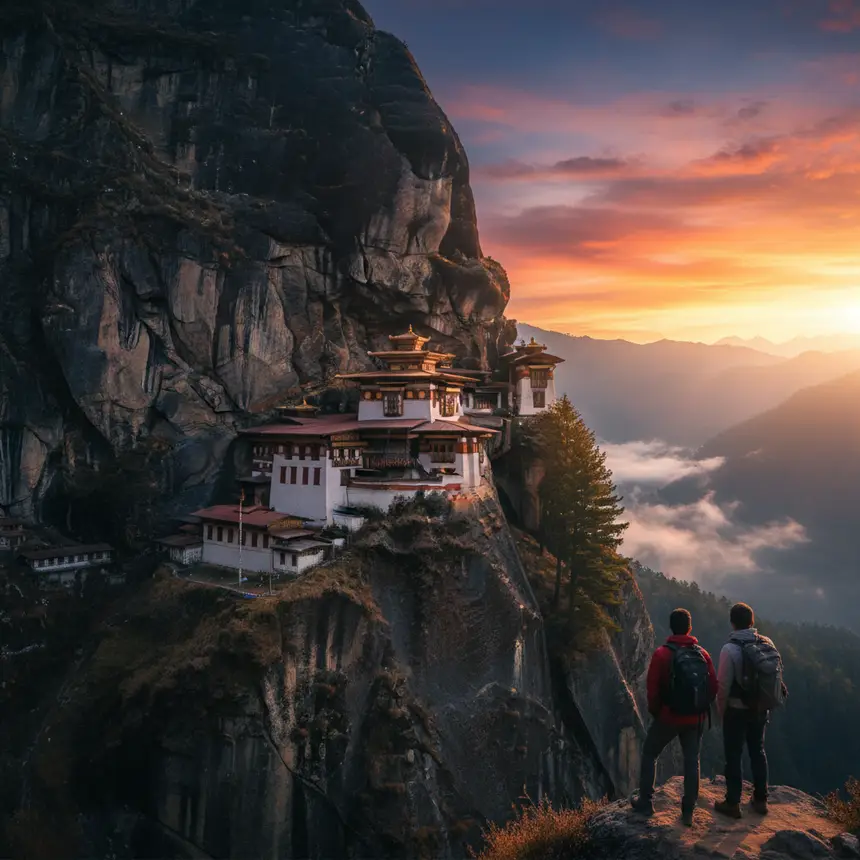
The Sacred Lore and Architectural Marvel of Taktsang
Bhutan's Tiger's Nest is far more than just a magnificent structure; it's steeped in rich history and profound spiritual significance. Let's uncover the core of its mystique.
- A Legend Borne on Tiger's Wings
- Engineering Wonder on a Cliff Face
- The Spiritual Heartbeat of Bhutan
- The Trail to Enlightenment: Trekking Through Paro Valley
※ This post contains affiliate links. I may earn a commission at no extra cost to you.

Preparing for Your Tiger's Nest Trek: Essential Gear and Insider Tips
To ensure your visit to the awe-inspiring Tiger's Nest is as safe and meaningful as possible, here’s a breakdown of essential preparations and tips.
2. Dress Code: To enter the monastery, you must wear long pants or a long skirt and cover your shoulders. Hats should be removed. Some areas inside may require you to remove your shoes, so easy-to-slip-off footwear can be convenient.
3. Photography Inside Prohibited: Photography is strictly forbidden inside the monastery. This rule preserves the sanctity of the site and encourages visitors to engage respectfully with the experience. You can take photos of the exterior.
4. Pace Yourself: Given the high altitude, it’s crucial to walk at your own comfortable pace and take frequent breaks. Don't push yourself too hard.
5. Show Respect: The Tiger's Nest is an extremely sacred site for Bhutanese people. Please show respect by maintaining a reverent demeanor during your visit.
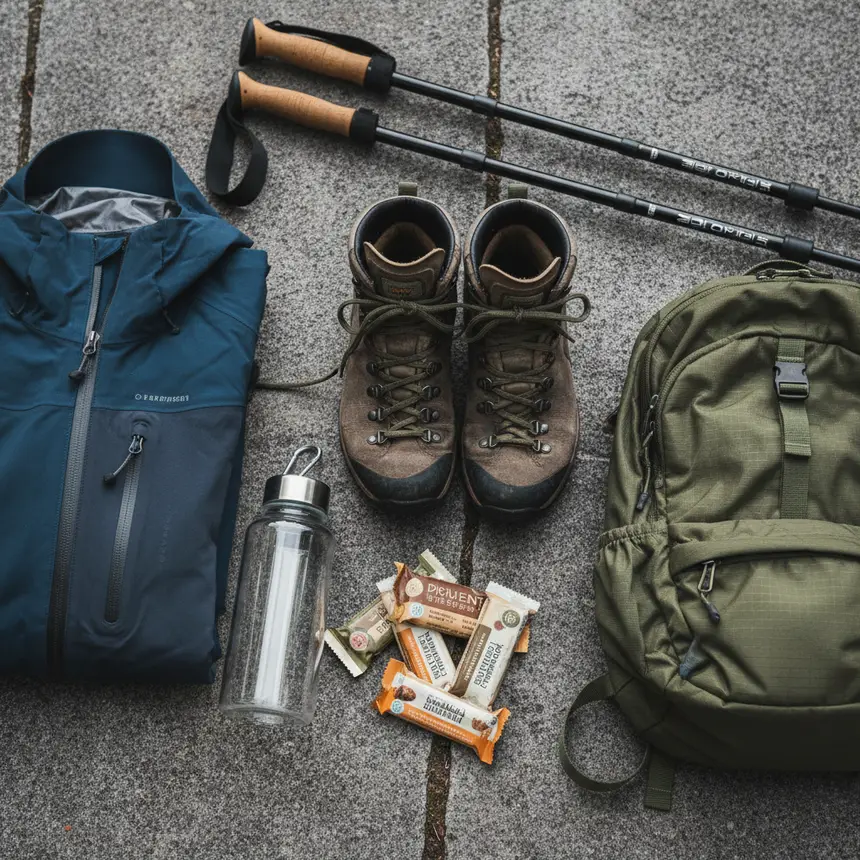
- Gear Up: What to Pack for the Climb
- Sturdy, Comfortable Hiking Boots: Non-slip soles are crucial, and ankle support is highly recommended.
- Layered Clothing: The high-altitude weather can change rapidly. Pack moisture-wicking layers that you can add or remove as needed.
- Rain Gear: A lightweight rain jacket or poncho is wise, as mountain weather can be unpredictable.
- Hat, Sunglasses, and Sunscreen: Protect yourself from the strong high-altitude UV rays.
- Sufficient Water and High-Energy Snacks: Essential for hydration and maintaining energy levels during the trek.
- Small Backpack: A comfortable daypack to carry your essentials.
- Trekking Poles: These can significantly reduce strain on your knees and help with balance on uneven terrain.
- Smart Trekking: Practical Advice for Your Visit
2. Dress Code: To enter the monastery, you must wear long pants or a long skirt and cover your shoulders. Hats should be removed. Some areas inside may require you to remove your shoes, so easy-to-slip-off footwear can be convenient.
3. Photography Inside Prohibited: Photography is strictly forbidden inside the monastery. This rule preserves the sanctity of the site and encourages visitors to engage respectfully with the experience. You can take photos of the exterior.
4. Pace Yourself: Given the high altitude, it’s crucial to walk at your own comfortable pace and take frequent breaks. Don't push yourself too hard.
5. Show Respect: The Tiger's Nest is an extremely sacred site for Bhutanese people. Please show respect by maintaining a reverent demeanor during your visit.
- Tiger's Nest: An Experience Beyond the Visual
Frequently Asked Questions
Q. How challenging is the Tiger's Nest trek?
A. The Tiger's Nest trek is approximately 5 miles (8 km) round trip and ascends to an altitude of 10,240 feet (3,120m). It involves a continuous uphill climb and over 700 stone steps, making it physically demanding. However, most people with a reasonable fitness level can complete it by pacing themselves and taking breaks.
Q. Are there any refreshment stops along the trail to Tiger's Nest?
A. Yes, there is a cafeteria called 'Taktsang Cafeteria' located about one-third of the way up. Here, you can enjoy simple meals, snacks, and beverages while resting. Nevertheless, it's advisable to carry your own water and some high-energy snacks.
Q. What is the dress code for visiting Tiger's Nest Monastery?
A. To enter the monastery, you must wear modest clothing: long pants or a long skirt and a top that covers your shoulders. Hats must be removed. Some areas require removing shoes, so comfortable, easy-to-slip-on footwear is recommended. For the trek itself, sturdy hiking boots are ideal.
Q. Is photography allowed inside the monastery?
A. Photography is strictly prohibited inside the monastery. This rule helps maintain the sanctity of the site and allows visitors to focus on their spiritual experience. You are, however, welcome to take photos of the exterior and the surrounding landscapes.
Q. What's the best time of year to visit Tiger's Nest?
A. The best times to visit Taktsang Monastery are during spring (March to May) and autumn (September to November). The weather is generally mild and clear, making for excellent trekking conditions and beautiful scenic views. Spring also offers the chance to experience the vibrant Paro Tsechu festival.