Your complete guide to visiting Bhutan's iconic Taktsang Monastery, also known as the Tiger's Nest, perched high on a Himalayan cliff. Discover its mystical history, spiritual significance, and practical tips for a successful trek.

Preparing for the Ascent: Bhutan's Dream Monastery on a Cliff
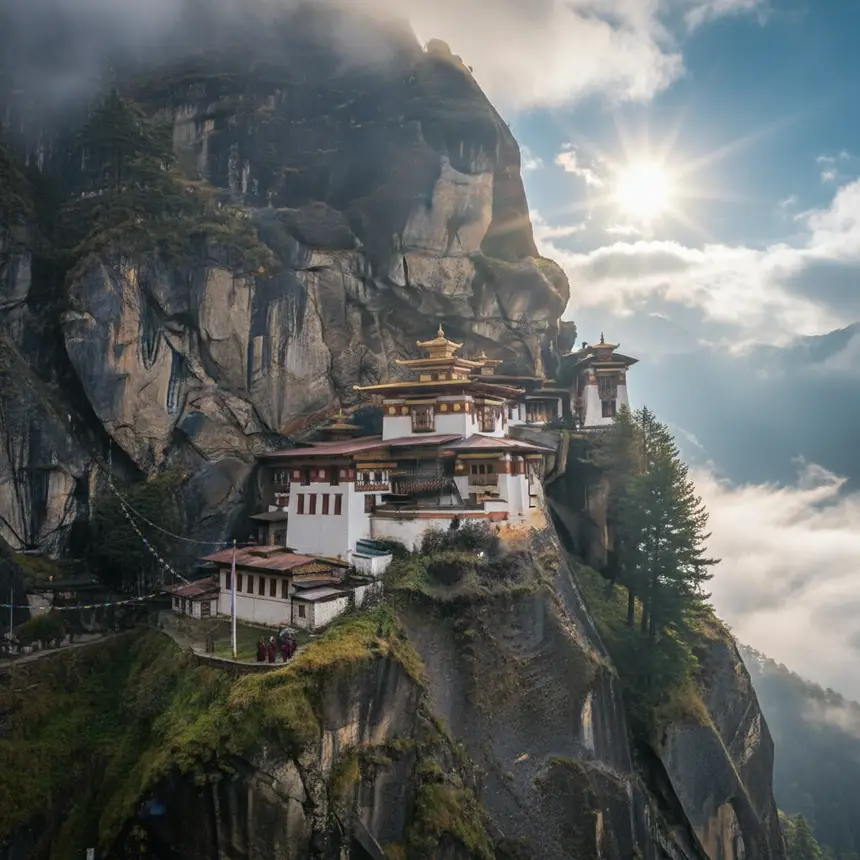
A journey to Bhutan, the hidden gem of the Himalayas, holds a profound significance for many. Among its many wonders, Taktsang Monastery, famously known as the Tiger's Nest, perched dramatically on a sheer cliff face, is a breathtaking destination that tops countless traveler wish lists. Situated at an altitude of 3,120 meters (approximately 10,240 feet) and demanding a vertical ascent of 900 meters (about 2,950 feet) from the Paro Valley floor, this monastery promises more than just a sightseeing trip – it's a spiritual pilgrimage. However, behind its grandeur lies a challenge that requires physical stamina, altitude awareness, and cultural understanding. How can one fully experience this mystical site and engrave its profound beauty deeply into their memory? The first step to visiting Bhutan's Taktsang Monastery begins with thorough preparation and a mindful approach.
The Heart of Bhutanese Buddhism: Legends and History of Tiger's Nest
The allure of Bhutan's Taktsang Monastery extends far beyond its architectural marvel. Within its walls, a rich tapestry of history and legends, spanning approximately 1,300 years, intertwines with the core spiritual energy of Bhutanese Buddhism.
- A Mythical Origin: According to ancient lore, around 747 AD, Guru Rinpoche (Padmasambhava), a great spiritual master from India, flew to this very cliff on the back of a tigress. Legend says this tigress was actually his consort, Yeshe Tsogyal, in transformed form. The Guru then meditated in one of the caves here for an astonishing three years, three months, three weeks, three days, and three hours. The recurring number '3' symbolizes the Three Jewels of Buddhism, imbuing it with sacred meaning. Through his meditation, he is said to have subdued local evil spirits and sown the seeds of Buddhism in Bhutan, earning him the revered title of 'Second Buddha' among Bhutanese people.
- Built Through Time: Following Guru Rinpoche's meditation, this site became a sacred pilgrimage destination for practitioners across the Himalayas. The initial structures of the monastery began to take form around the 14th century, credited to the Tibetan lama Sonam Gyeltshen. The grand complex we see today was largely completed between 1692 and 1694 under the command of Gyalsey Tenzin Rabgye, a prominent ruler of Bhutan. While legend suggests divine yaks transported building materials, historical accounts point to countless monks and skilled artisans risking their lives to scale the cliffs, painstakingly laying each stone. In 1998, a devastating fire caused significant damage, yet miraculously, a sacred bronze statue remained intact, a testament to its spiritual power. After seven years of dedicated restoration, the monastery was fully restored to its current splendor by 2005.
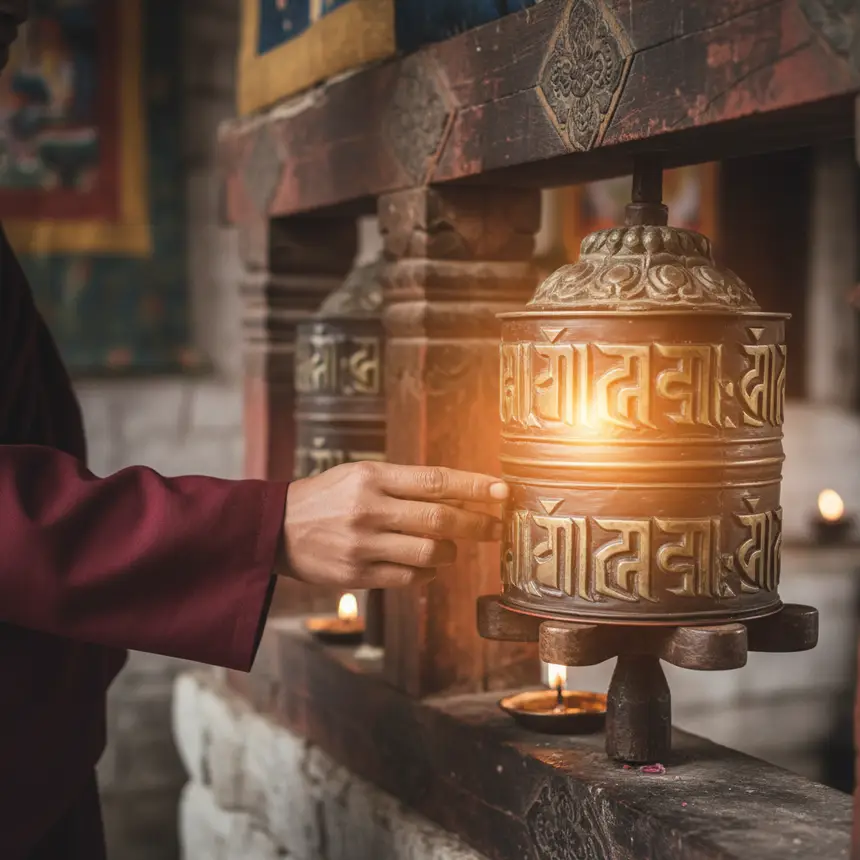
- A Spiritual Powerhouse: Bhutanese believe that an hour of meditation at Taktsang is equivalent to months of practice elsewhere, highlighting the monastery's potent spiritual aura. The tiered buildings are connected by intricate stone staircases and wooden bridges, and the daily turning of prayer wheels accompanied by monastic chants further amplifies its sacred ambiance. It's not merely a structure but a living space for profound spiritual experiences. Many Bhutanese consider it a lifelong duty to complete at least one pilgrimage here. The annual Paro Tshechu festival, held each spring, features vibrant masked dances and rituals honoring Guru Rinpoche, offering a unique opportunity to experience the essence of Bhutanese culture.
※ This post contains affiliate links. I may earn a commission at no extra cost to you.

Practical Guide and Essential Tips for Visiting Bhutan's Taktsang Monastery
To ensure a safe, enriching, and truly memorable experience at the magnificent Taktsang Monastery, it's wise to be well-versed in practical tips and essential precautions.
- Best Time to Visit: The Taktsang trek is significantly influenced by weather. The ideal times to visit are during spring (March to May) and autumn (September to November), when the weather is clear and pleasant. During these seasons, you can fully appreciate the majestic monastery under a clear blue sky and the surrounding natural beauty.
- Trekking Gear and Attire: Comfortable and sturdy hiking boots are a must. Given the high altitude and steep terrain, footwear that provides ankle support is highly recommended. For visiting the monastery, respectful attire covering shoulders and knees is mandatory. As it is a sacred site, hats and sunglasses should be removed indoors. It's also prudent to pack essentials like water, snacks, sunscreen, a hat, and sunglasses.
- Starting Time and Duration: It's best to begin your trek early in the morning. Starting between 7 AM and 8 AM allows you to witness the 'golden hour' spectacle as the mist clears to reveal the monastery, and you can complete the trek comfortably before clouds typically roll in during the afternoon. The round trip is approximately 8 km (5 miles) and generally takes 4 to 6 hours. The duration can vary based on individual fitness and altitude acclimatization, so pace yourself.
- Etiquette Inside the Monastery: Photography is strictly prohibited inside the monastery. Maintain silence and be mindful not to disturb the monks' spiritual practices. Due to the high altitude and strenuous climb, you might feel more exertion than usual. Remember to rest adequately and stay hydrated. Remember that Bhutan's Taktsang Monastery is not merely a sight to behold, but a sacred place to experience and connect with on a deeper level. Visit with respect and an open heart.
Frequently Asked Questions
Q. What is the difficulty level of the Taktsang Monastery trek?
A. The Taktsang trek is a round trip of about 8 km (5 miles) and involves climbing steep mountain paths to an altitude of 3,120m (10,240 ft), so a moderate to high level of fitness is required. It includes over 700 stone steps and steep sections, making proper physical preparation and adequate rest crucial.
Q. What should I wear when visiting Taktsang Monastery?
A. Inside the monastery, modest attire covering shoulders and knees is essential. Wear long pants and a top that covers your arms. Comfortable and sturdy hiking boots that can support your ankles are also highly recommended for the trek.
Q. Is photography allowed inside Taktsang Monastery?
A. Photography is strictly prohibited inside Taktsang Monastery as it is a sacred space. While you can take photos of the exterior and surrounding landscapes, be sure not to use your camera once inside.
Q. What is the best time of year to visit Taktsang Monastery?
A. Spring (March to May) and autumn (September to November) are the best times to visit Taktsang Monastery. The weather is clear and ideal for trekking, offering stunning views.
Q. How should I prepare for altitude sickness during the Taktsang trek?
A. Since it's located at 3,120m (10,240 ft), altitude sickness symptoms can occur. It's important to stay well-hydrated before and during the trek, allow time to acclimatize to the altitude beforehand, monitor your physical condition, and avoid overexertion.