Your complete guide for an epic Nepal Himalaya trek. Discover essential clothing, smart packing tips, sleeping bag advice, and practical insights for a safe and memorable adventure in the world's highest mountains.

Dreaming of a Himalayan Trek? Here's How to Prepare!
Ever dreamed of an unforgettable trekking experience amidst the majestic Himalayas? A Nepal Himalayan trek is more than just a journey; it's an exploration of self and nature. Before you step into this grand wilderness, you might wonder what preparation is needed. This guide will provide essential gear and practical tips to ensure your Himalayan adventure in Nepal begins successfully and safely.
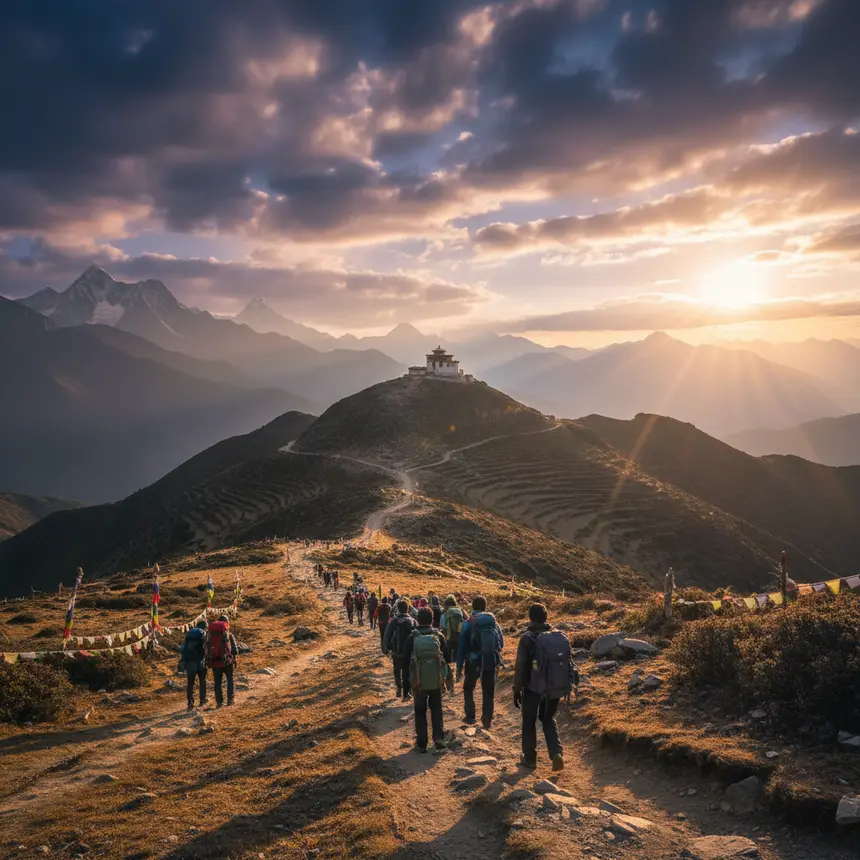
The Allure of Nepal's Himalayas: Awe-Inspiring Views at Every Step
Nepal, often called the 'Roof of the World,' is a global trekking mecca, home to the colossal Himalayan range. Iconic routes like Everest Base Camp (EBC) and the Annapurna Circuit, alongside diverse trails like Langtang Valley and Ghorepani Poon Hill, offer unique adventures. Trekking here is immersive: you'll experience local culture, charming mountain villages, and dramatic landscapes. The Himalayas' overwhelming beauty and the profound sense of accomplishment they inspire leave travelers with indelible memories.
※ This post contains affiliate links. I may earn a commission at no extra cost to you.

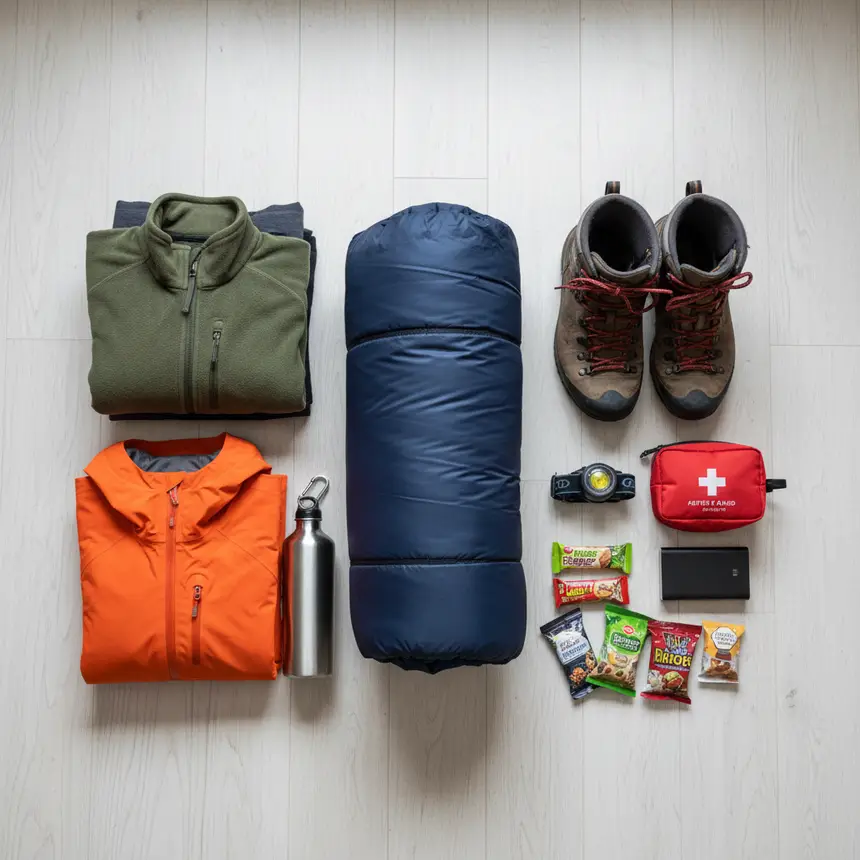
Detailed Guide to Essential Himalaya Trekking Gear
Successful Himalayan trekking hinges on meticulous gear. Due to unpredictable mountain weather, 'layering' is crucial: a moisture-wicking base, insulating mid-layers, and a waterproof/windproof outer shell. A lightweight down jacket is vital for cold high-altitude nights. Wear well-broken-in waterproof hiking boots, and pack comfortable slippers/sandals for lodge relaxation.
Other essentials:
Other essentials:
- BPA-free water bottle, purification filter/tablets.
- High-SPF sunscreen, sunglasses, hat (intense high-altitude sun).
- Headlamp (dark navigation, lodge use).
- Hygiene items (wet wipes, hand sanitizer, quick-drying towel).
- First-aid kit (pain relievers, digestion aids, bandages), altitude sickness medication.
- Personal sleeping bag (lodge hygiene/warmth, appropriate temperature rating).
- High-capacity power bank (20,000mAh+; expensive charging at altitude). Check airline regulations.
- Energy-boosting snacks (protein bars, nuts, chocolate) for the trail.
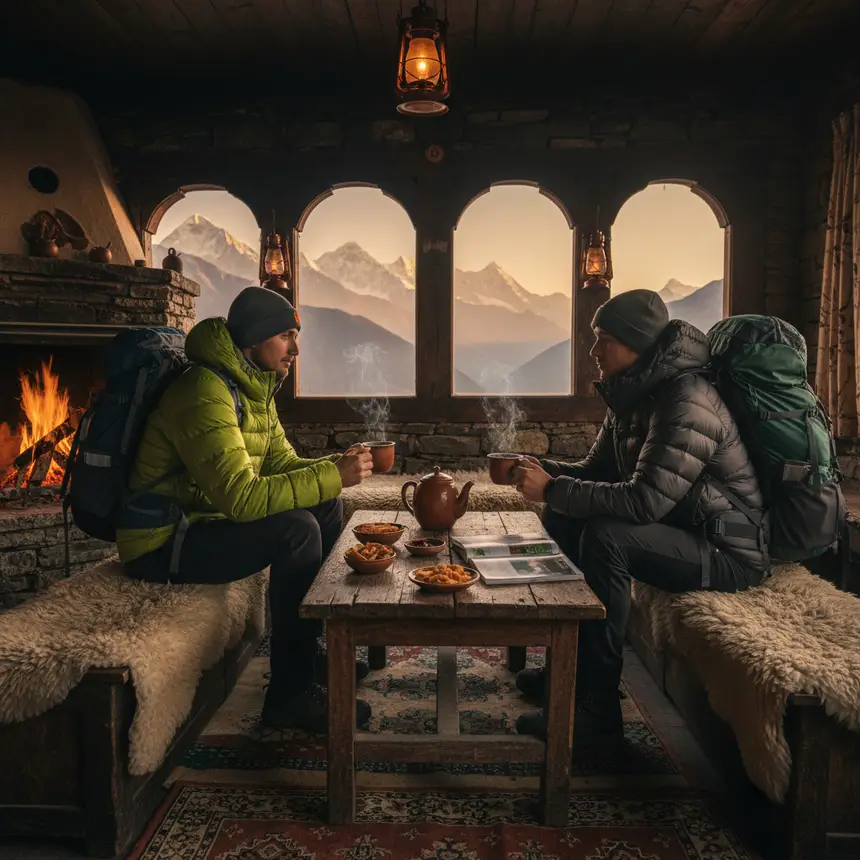
Practical Tips and Budgeting for a Safe and Enjoyable Trek
Himalayan trekking is a deep cultural immersion. Deciding on a porter or local guide significantly impacts your trek's difficulty and convenience. If carrying your own gear, prioritize minimalism and multi-purpose items.
Lodge accommodations are basic; hot water and electricity may be limited or extra. Respect local culture and adapt to simpler conditions. Budget for permit fees, guide/porter wages, food, lodging, and an emergency fund. Prices for goods and services increase with altitude, so plan ahead. Schedule a flexible itinerary with ample acclimatization days for a safer, more enjoyable trek, avoiding rushing.
Lodge accommodations are basic; hot water and electricity may be limited or extra. Respect local culture and adapt to simpler conditions. Budget for permit fees, guide/porter wages, food, lodging, and an emergency fund. Prices for goods and services increase with altitude, so plan ahead. Schedule a flexible itinerary with ample acclimatization days for a safer, more enjoyable trek, avoiding rushing.
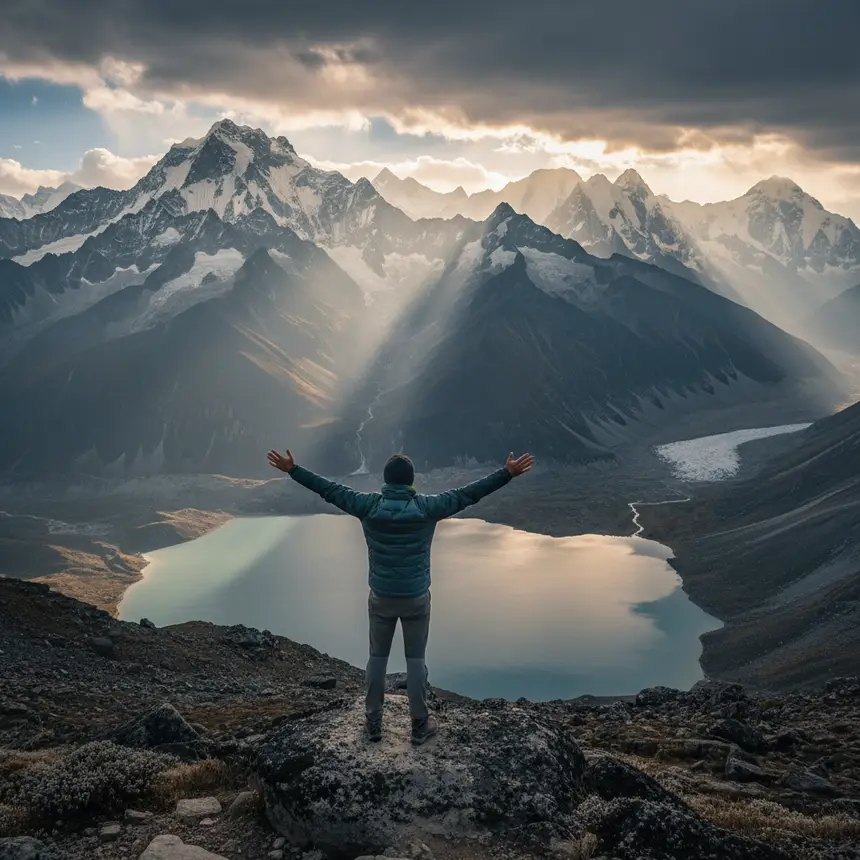
The Himalayas: A Journey to Discover Your Inner Self
A Nepal Himalayan trek is a monumental challenge and an unforgettable, lifelong memory. With diligent gear prep, understanding local conditions, and an adaptable mindset, you'll discover inner strength amidst the Himalayas' breathtaking grandeur. This extraordinary adventure offers a deep connection with nature and a chance to rediscover yourself. The mountains are calling, and your footsteps await.
Frequently Asked Questions
Q. What's the best way to prevent altitude sickness during a Himalayan trek?
A. Allow sufficient time for acclimatization by ascending gradually. Drink plenty of water, minimize caffeine and alcohol, and consider prescribed altitude sickness medication. Descend immediately if symptoms worsen.
Q. Is it mandatory to hire a local porter or guide for trekking in the Nepal Himalayas?
A. While not mandatory, hiring a local porter or guide is highly recommended. They can carry your heavy luggage, provide navigation, and offer crucial assistance in emergencies, making your trek safer and more enjoyable, especially for first-time trekkers.
Q. What are the typical hygiene conditions in trekking lodges?
A. Lodge hygiene varies but is generally basic. If you're concerned about bedding cleanliness, it's wise to bring your own sleeping bag or a sleeping bag liner. Personal hygiene items and hand sanitizer are also essential.
Q. How can I charge my electronic devices while trekking?
A. Most lodges offer electricity, but charging fees increase with altitude. Carry multiple high-capacity power banks (20,000mAh+) and consider a solar charger for daytime use. Always verify airline regulations for portable batteries before your trip.