Explore the ultimate 12-night, 14-day France and Switzerland travel guide. Discover the majestic Swiss Alps and the artistic romance of Paris. Get practical tips on transport, accommodation, budget, and top attractions for an unforgettable European adventure.

Europe's Dual Charms: The Allure of Swiss Alps and Parisian Artistry
Dreaming of a European getaway? Imagine a trip where the grandeur of nature seamlessly blends with sophisticated urban culture. France and Switzerland offer just that—a captivating combination that epitomizes the ultimate European travel experience. Switzerland’s majestic Alpine landscapes, with their panoramic views, pristine lakes, and verdant meadows, feel straight out of a fairy tale. In stark contrast, Paris, the capital of France, stands as a global hub for art, fashion, and gastronomy, inviting travelers to immerse themselves in its romantic ambiance, historic architecture, and vibrant street life. A 12-night, 14-day itinerary provides ample time to deeply explore the core attractions of both these incredible nations. From exhilarating activities nestled in the Alpine foothills to insightful explorations of Parisian museums and iconic landmarks, you're set to create unforgettable memories. This unique pairing of natural tranquility and urban vibrancy promises to elevate your travel satisfaction to its peak. The rich tapestry woven by their distinct cultures and environments offers both fresh inspiration and serene relaxation, ensuring every moment is special and never dull.
Unveiling Wonders: Exploring Key Attractions in France and Switzerland
Interlaken, nestled in the heart of the Swiss Alps, serves as a prime base for picturesque scenery and thrilling adventures. From Grindelwald-First, you can experience the exhilaration of mountain biking against the dramatic backdrop of the Eiger North Face. Ascend to Jungfraujoch, Europe's highest railway station, to revel in year-round snowscapes, a truly special moment atop the 'Top of Europe.' Lauterbrunnen then unfolds as a mystical valley boasting 72 waterfalls, offering a unique opportunity to witness powerful cascades up close. For unparalleled views of the iconic Matterhorn, Zermatt is your destination. From the Gornergrat observatory, soak in panoramic vistas, or embark on a captivating five-lake hike, immersing yourself in nature's pristine beauty. Switzerland's capital, Bern, with its preserved medieval charm, invites leisurely strolls along the Aare River.
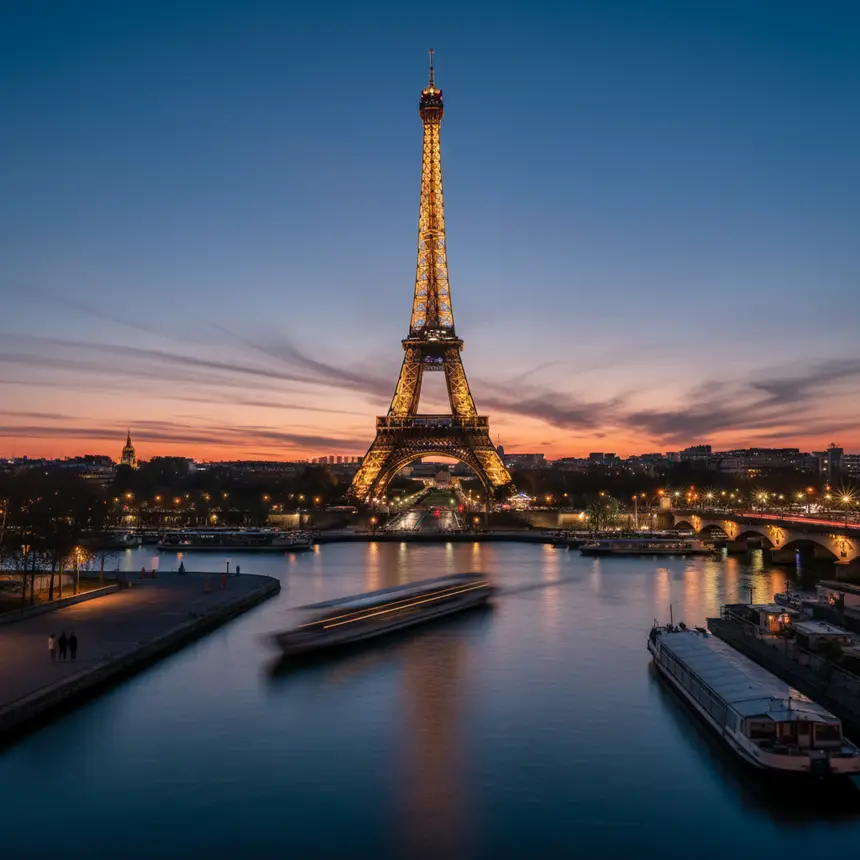
In France, Paris pulsates with art and romance. The Louvre Museum, one of the world's largest, beckons you to explore humanity's artistic heritage amidst countless masterpieces. As evening descends, a Seine River cruise (Bateaux Mouches) offers a magical spectacle, with Parisian landmarks like the Eiffel Tower and Notre Dame sparkling against the night sky. On Montmartre Hill, near the Sacré-Cœur Basilica, enjoy street performers and sweeping city views. For shoppers, the Champs-Élysées and renowned department stores offer the latest fashion trends and memorable souvenirs. Embrace the distinct charm each city presents, indulging in a rich tapestry of nature and culture. Consider tailored tour options to deepen your experience in specific areas of interest.
In France, Paris pulsates with art and romance. The Louvre Museum, one of the world's largest, beckons you to explore humanity's artistic heritage amidst countless masterpieces. As evening descends, a Seine River cruise (Bateaux Mouches) offers a magical spectacle, with Parisian landmarks like the Eiffel Tower and Notre Dame sparkling against the night sky. On Montmartre Hill, near the Sacré-Cœur Basilica, enjoy street performers and sweeping city views. For shoppers, the Champs-Élysées and renowned department stores offer the latest fashion trends and memorable souvenirs. Embrace the distinct charm each city presents, indulging in a rich tapestry of nature and culture. Consider tailored tour options to deepen your experience in specific areas of interest.
※ This post contains affiliate links. I may earn a commission at no extra cost to you.


Practical Guide for Smart Travel: Transport, Accommodation, and Budget Tips
For a successful trip to France and Switzerland, efficient travel planning, comfortable accommodation choices, and sensible budget management are key. The most convenient way to travel between these two nations is via the high-speed TGV train; booking in advance often secures discounts and ensures a pleasant border crossing. Within Switzerland, leveraging the world-renowned Swiss Federal Railways (SBB) is highly recommended. A Swiss Travel Pass can be a game-changer, offering unlimited use of trains, buses, and boats, plus discounts on many museum entrances, which effectively cuts down costs. In Paris, the Métro is your primary mode of transport. The RER and bus networks are also excellent, making it easy to navigate the city solely by public transport. When choosing accommodation, consider mountain hotels or chalets with Alpine views in Switzerland, and in Paris, opt for hotels or apartments in central, safe, and well-connected districts (e.g., 1st to 7th arrondissements). Your budget will vary significantly based on accommodation class, dining preferences (eating out vs. self-catering), and chosen activities. Switzerland tends to be pricier, so buying snacks from grocery stores or preparing simple meals can be cost-effective. In Paris, take advantage of value-for-money brunch or lunch specials, and enjoy picnics for dinner to save money. Plan your currency exchange (Swiss Francs in Switzerland, Euros in France) before you go, and always carry some emergency cash. Utilizing travel passes like the Swiss Travel Pass is a practical way to manage expenses. Downloading public transport apps beforehand will also help streamline your movements.
Ensuring a Smooth Journey: Advice and Recommended Traveler Types
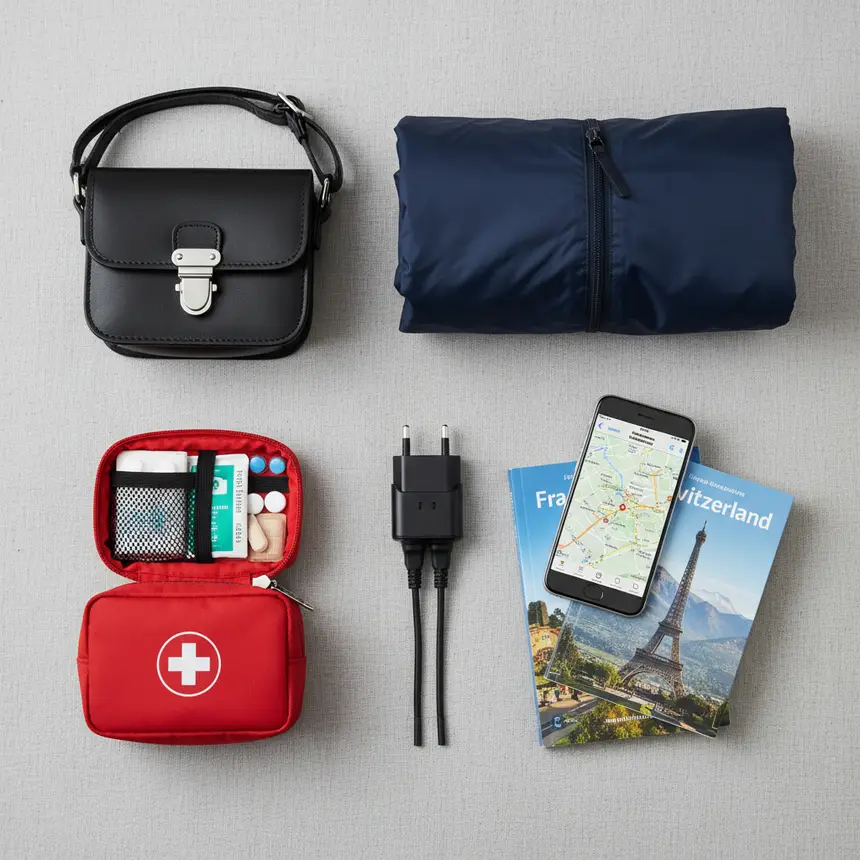
To ensure a safe and enjoyable journey through France and Switzerland, keeping a few tips in mind can make all the difference. Weather in the Swiss Alps can be highly unpredictable, so packing versatile layers and a waterproof jacket is essential. Always check weather forecasts to prepare for sudden changes. In bustling cities like Paris, be aware of pickpockets, especially in crowded tourist spots and on public transport. Keep valuables like passports and wallets dispersed, and consider using a money belt or secure travel wallet. Remember that each country uses a different currency—Swiss Francs (CHF) in Switzerland and Euros (EUR) in France. It's wise to have travel insurance for any emergencies, and keep digital copies of your passport and ticket information stored in the cloud.
This Franco-Swiss adventure appeals to a wide array of travelers. For 'Activity Enthusiasts' seeking active experiences like hiking, skiing, or paragliding amidst stunning nature, Switzerland is an unparalleled choice. 'Culture Explorers' with a keen interest in art, history, and gastronomy will find Paris’s museums, galleries, and Michelin-starred restaurants deeply enriching. 'Couples' looking for romantic moments amidst picturesque scenery will cherish the Seine River's evening glow in Paris and Switzerland's idyllic lakeside villages. Lastly, 'Family Travelers' seeking both nature education and cultural immersion will find these destinations safe, engaging, and rich in learning opportunities. Embrace the unique blend of these captivating countries, tailored to your personal travel style.
This Franco-Swiss adventure appeals to a wide array of travelers. For 'Activity Enthusiasts' seeking active experiences like hiking, skiing, or paragliding amidst stunning nature, Switzerland is an unparalleled choice. 'Culture Explorers' with a keen interest in art, history, and gastronomy will find Paris’s museums, galleries, and Michelin-starred restaurants deeply enriching. 'Couples' looking for romantic moments amidst picturesque scenery will cherish the Seine River's evening glow in Paris and Switzerland's idyllic lakeside villages. Lastly, 'Family Travelers' seeking both nature education and cultural immersion will find these destinations safe, engaging, and rich in learning opportunities. Embrace the unique blend of these captivating countries, tailored to your personal travel style.
Frequently Asked Questions
Q. What is the best time to visit France and Switzerland together?
A. The late spring (May to June) or early autumn (September to October) are ideal for enjoying both countries. The weather is mild, perfect for hiking in Switzerland and sightseeing in Paris, while avoiding the peak summer crowds.
Q. What's the most efficient way to travel between France and Switzerland?
A. Traveling by high-speed train, specifically the TGV Lyria, is the most efficient. It connects Paris to cities like Zurich or Geneva in about 3-4 hours. Booking in advance can secure better fares. While flights exist, train stations are conveniently located in city centers.
Q. Are there tips for saving money during a France and Switzerland trip?
A. In Switzerland, consider buying a Swiss Travel Pass for transport savings and purchasing groceries for self-catering or picnics. In Paris, use a museum pass for discounted entry to multiple attractions, buy multi-day metro passes, and explore affordable bakeries or markets for meals.
Q. What essential items should I pack for the Swiss Alps region?
A. For the unpredictable weather in the Swiss Alps, pack layered, waterproof, and windproof clothing, comfortable waterproof hiking shoes, sunglasses, sunscreen, and a hat. It's also wise to carry a small backpack with emergency snacks and water.