Discover how to perfectly plan your trip to Rome, Italy. This guide covers efficient itineraries for major landmarks like the Vatican Museums and the Colosseum, along with smart tips for managing your travel budget.

Rome: A Journey Through Timeless Allure
Rome, the vibrant heart of Italy, is a city where history and art vividly come alive, offering an unparalleled experience to every visitor. This ancient capital, home to the grandeur of the Roman Empire and the spiritual center of Vatican City, presents a unique challenge for first-time travelers: how to navigate its countless treasures effectively. From the awe-inspiring Colosseum to the intricate masterpieces within the Vatican Museums and the romantic charm of the Trevi Fountain, careful planning is essential for a truly rewarding visit. Rome itself is a living museum, where every cobblestone street and piazza unveils a new story. The city awakens all senses, showcasing architectural marvels, artistic brilliance, and the lively spirit of its locals. To fully immerse yourself in Rome's profound appeal, it’s crucial to prioritize the sights you wish to see and strategically map out your itinerary. For instance, dedicating one day to exploring both Vatican City and the core ancient Roman sites can provide a comprehensive understanding of its historical and cultural depth.
Navigating Rome's Iconic Landmarks: An Optimized Itinerary
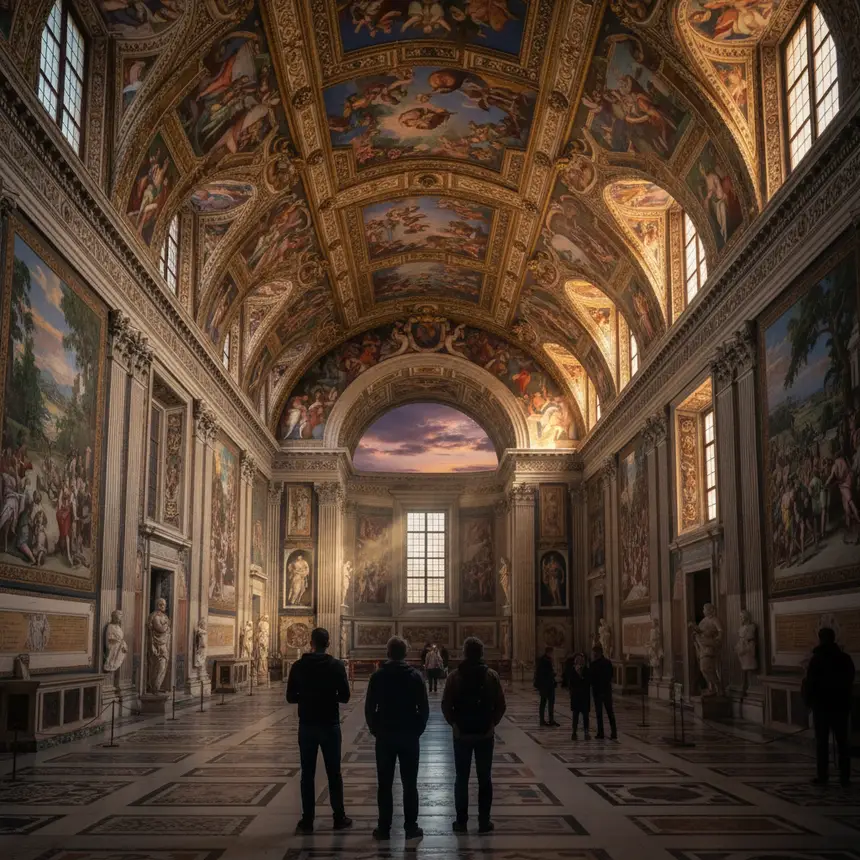
While it's ambitious to delve into every piece of Rome's vast history and art in a single day, a well-structured plan allows for significant exploration of its key attractions. A recommended approach is to begin your day with a visit to Vatican City, the world's smallest independent state and the heart of Catholicism. Here, you can explore the extensive collections of the Vatican Museums, marvel at Michelangelo's iconic Sistine Chapel, and wander through the immense St. Peter's Basilica. Given the potential for long queues, especially during peak tourist seasons, it's highly advisable to purchase your entry tickets online in advance to save valuable time. In the afternoon, shift your focus to Rome's city center, tracing the footsteps of ancient Romans. The Colosseum, a symbol of gladiatorial history, and the Roman Forum, once the epicenter of Roman public life, are must-see destinations. Consider purchasing a combined ticket for these sites for convenience. Afterward, be sure to admire the Pantheon, an architectural marvel dedicated to all gods, and immerse yourself in the romance of the Trevi Fountain, where tossing a coin promises a return to Rome. Many of Rome's central attractions, such as the Spanish Steps, are comfortably walkable, with distances between major sites typically ranging from 10 to 20 minutes on foot. For those with limited time aiming to capture the essence of Rome, minimizing travel between geographically close attractions is key.
※ This post contains affiliate links. I may earn a commission at no extra cost to you.

Practical Tips for an Enriched Roman Holiday
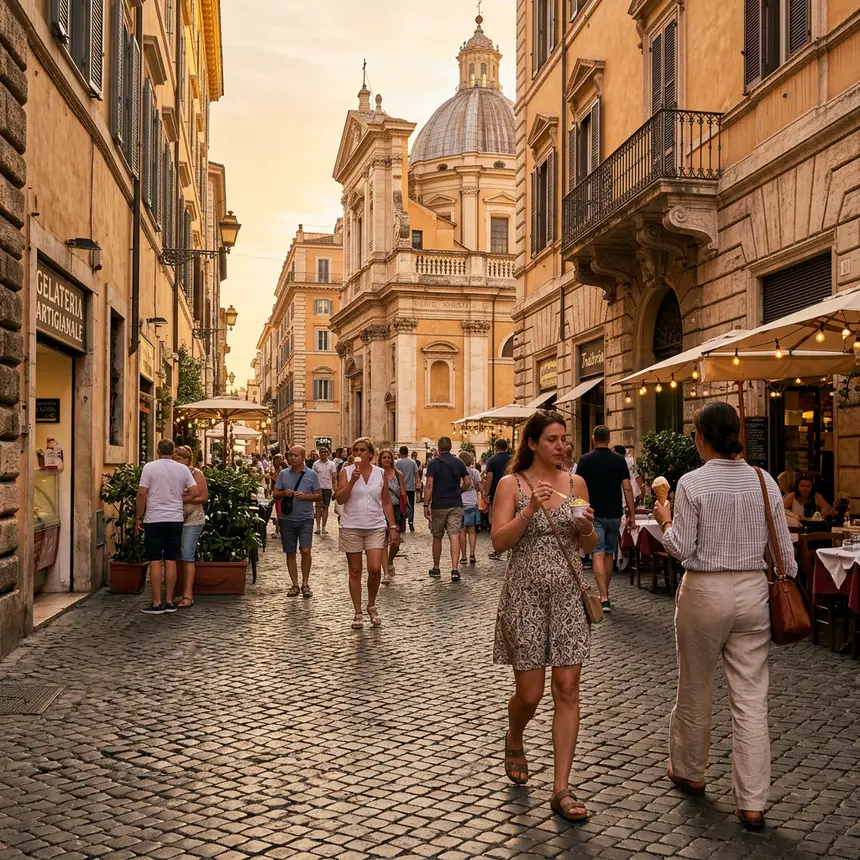
To enhance your Roman holiday, keep a few practical tips in mind. Firstly, comfortable footwear is paramount, as Rome is best explored on foot. It's common to walk over 15,000 steps daily on uneven cobblestone streets, so choose shoes with good cushioning to prevent foot fatigue. Secondly, during the hot summer months (July-August), prioritize indoor activities during midday and stay well-hydrated. Carry a small water bottle and utilize the numerous public drinking fountains (nasoni) found throughout the city. Thirdly, like any major tourist destination, exercise caution regarding petty theft. Be vigilant in crowded areas and on public transport, keeping your bags secure and close to your body. Embracing the local culture is another significant joy of visiting Rome. Indulge in traditional pasta, authentic pizza, and the delightful gelato for an unforgettable culinary experience. Dining like a local in a small trattoria tucked away in a side street can create lasting memories. Rome is particularly recommended for travelers with a deep interest in history and art, those visiting Italy for the first time who wish to see major landmarks efficiently, and anyone seeking to experience the true essence of Rome within a concise timeframe.
Frequently Asked Questions
Q. How much time should I allocate for visiting Vatican City in Rome?
A. To fully experience the Vatican Museums, Sistine Chapel, and St. Peter's Basilica, you should plan for at least 3-4 hours. For a more leisurely visit, allowing half a day will give you ample time to appreciate the artworks and historical context.
Q. Is it feasible to visit all major Roman attractions in one day?
A. While physically possible to see many sites, it's challenging to explore each one in depth. Focusing on core attractions like the Colosseum, Roman Forum, Pantheon, and Trevi Fountain, with an efficient route and pre-booked tickets, can make for a fulfilling day.
Q. Are there specific dress codes to be aware of for the Vatican Museums?
A. Yes, as a religious site, visitors to Vatican City are required to dress modestly, covering their shoulders and knees. Entry may be denied for those wearing short shorts or sleeveless tops.
Q. What is the most efficient way to get around Rome city center?
A. Most of Rome's major attractions are within walking distance. For longer distances, the metro (subway) or buses are available. Combining public transport with walking is often the most efficient way to navigate the city, considering Rome's traffic.
Q. Do you have any tips for saving money while traveling in Rome?
A. Purchasing entry tickets for major attractions online in advance can often be cheaper or save time compared to buying on-site. Additionally, consider buying groceries from local markets or supermarkets to prepare some meals yourself, or focus on exploring free attractions like piazzas and fountains.