Experience the peace and unique culture of the Himalayas in Thimphu, Bhutan. Discover everything about traveling to Thimphu, where majestic Buddha statues, ancient monasteries, and mystical nature converge.

Seeking Serenity in the Heart of the Himalayas? Discover Thimphu, Bhutan!
Are you dreaming of an escape from the ordinary, a destination that promises genuine tranquility and profound inspiration? Nestled amidst the majestic Himalayan ranges, Thimphu, the capital city of Bhutan, offers much more than just a typical tourist experience. It's a unique cultural haven where peace permeates every corner, and ancient traditions blend seamlessly with a gentle modern pace. Visitors to this extraordinary city are often left with indelible memories, discovering a deeper sense of self amidst Bhutan's renowned atmosphere of happiness and its breathtaking natural beauty.
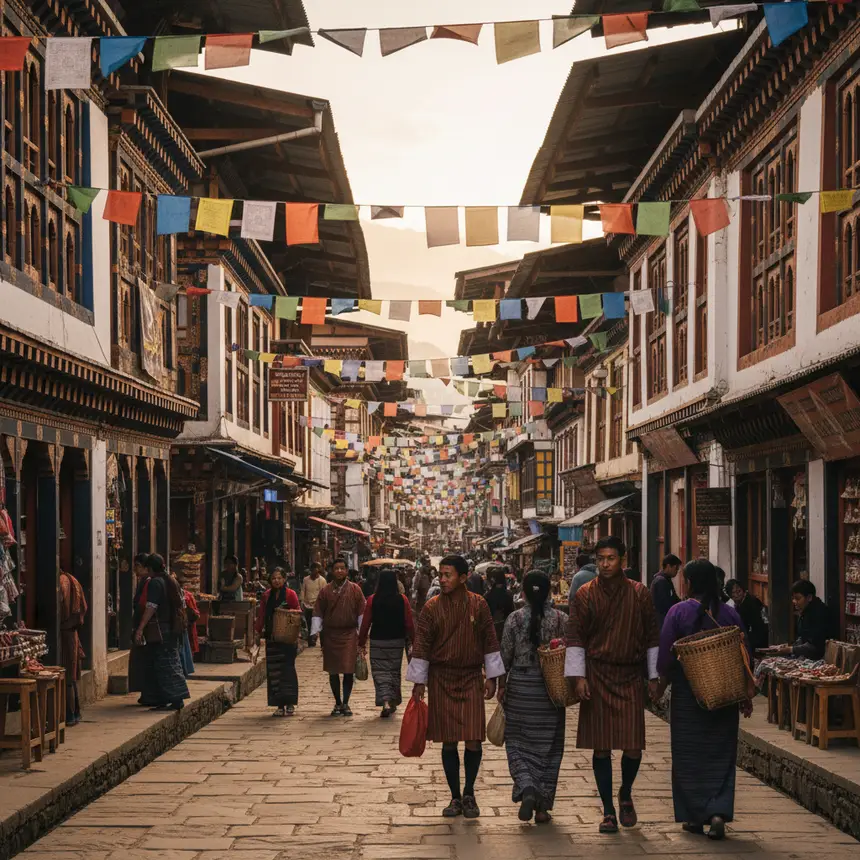
The Irresistible Charm of Thimphu: Where Nature Meets Culture
Thimphu, the vibrant capital of Bhutan, is perched at an elevation of approximately 7,874 feet (2,400 meters), offering spectacular views of the surrounding Himalayan peaks. It's conveniently accessible, just about an hour's drive from Bhutan's only international airport. Unlike many bustling capitals worldwide, Thimphu maintains a remarkably relaxed ambiance and a distinct cultural identity. Here, daily life unfolds with locals in traditional attire, ancient Buddhist monasteries exude tranquility, and contemporary conveniences blend harmoniously with vibrant traditional markets. We highly recommend exploring the city on foot to truly immerse yourself in the local way of life and experience the warm hospitality of its residents.
※ This post contains affiliate links. I may earn a commission at no extra cost to you.

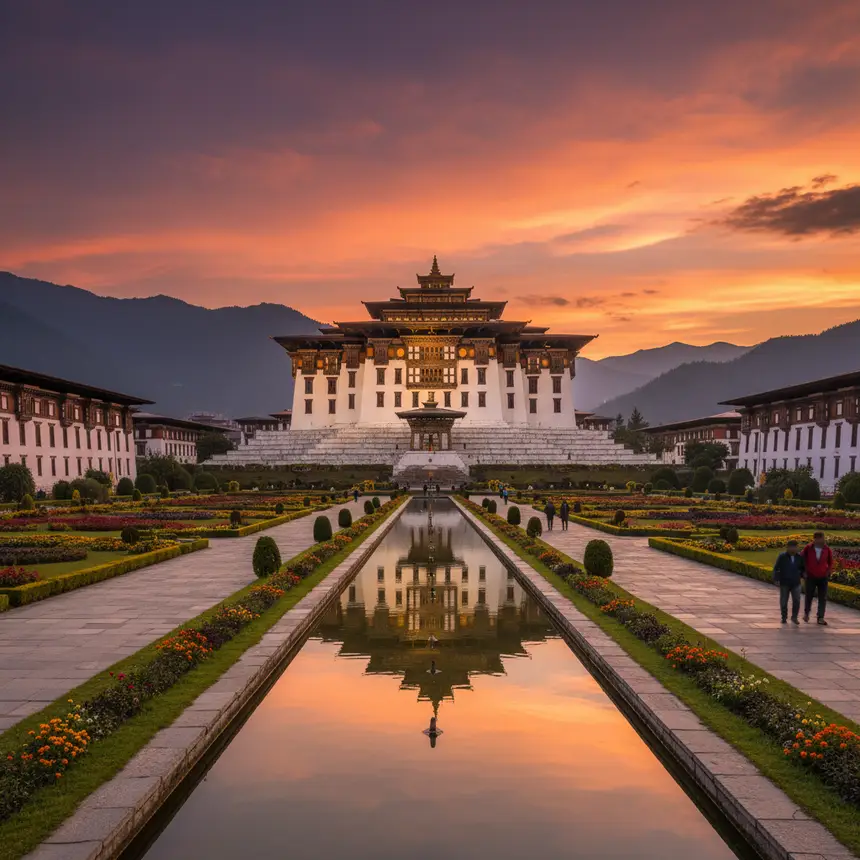
Must-Visit Landmarks: Unveiling Thimphu's Cultural Treasures
A journey through Thimphu is incomplete without visiting its iconic landmarks that embody the nation's rich history and spiritual essence.
- Grand Buddha Dordenma: Perched on a hill overlooking the entire Thimphu Valley, this colossal Buddha statue stands as a guardian of the city and a symbol of Bhutan's spiritual values. The panoramic views from this vantage point are simply breathtaking, offering a perfect photo opportunity.
- National Memorial Chorten: Located in the heart of the city, this revered stupa, built in 1974, is a central point for daily worship. Here, you can observe devout Bhutanese circumambulating the chorten, spinning prayer wheels, and offering prayers, providing a glimpse into their profound faith.
- Takin Preserve: Head north of Thimphu to encounter the Takin, Bhutan's national animal. This mystical creature, said to resemble a cow with a goat's head, roams freely in a protected habitat. Observing these unique animals in their natural, serene surroundings is a truly peaceful experience.
- Tashichho Dzong: An architectural masterpiece and a prime example of Bhutanese craftsmanship, this grand fortress serves dual purposes. It functions as a monastery housing monks during the summer and is also the administrative center, home to the King's office and government ministries. Its majestic halls echo with prayers in the evening, making it a pivotal symbol of Bhutanese society.
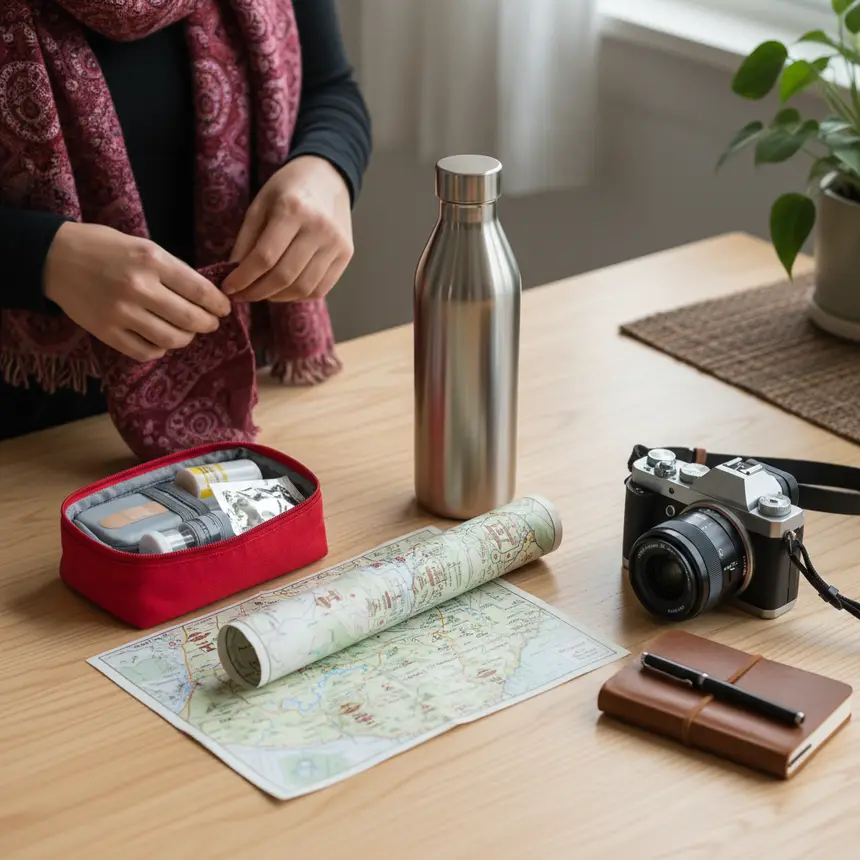
Practical Tips and Suggested Itinerary for Your Thimphu Adventure
To make the most of your trip to Thimphu, consider these practical tips:
1. Altitude Acclimatization: Thimphu's high altitude requires attention. Plan light activities for your first day, stay well-hydrated, and ensure adequate rest. Carrying basic altitude sickness medication is also a wise precaution.
2. Dress Code: When visiting monasteries, temples, or dzongs, it's essential to dress modestly, ensuring your shoulders and knees are covered. This shows respect for local customs and religious sites.
3. Transportation: Taxis are readily available throughout Thimphu and are convenient for traveling between major attractions. For shorter distances, walking allows you to soak in the city's unique atmosphere and discover hidden gems.
4. Budget and Itinerary: We recommend spending 2 to 3 days in Thimphu to thoroughly explore its main sights and embrace the local culture. Bhutan operates a high-value, low-impact tourism policy, which includes a daily sustainable development fee, so it's crucial to check current travel requirements and costs before your trip. Accommodation and dining options vary, allowing you to plan according to your budget.
1. Altitude Acclimatization: Thimphu's high altitude requires attention. Plan light activities for your first day, stay well-hydrated, and ensure adequate rest. Carrying basic altitude sickness medication is also a wise precaution.
2. Dress Code: When visiting monasteries, temples, or dzongs, it's essential to dress modestly, ensuring your shoulders and knees are covered. This shows respect for local customs and religious sites.
3. Transportation: Taxis are readily available throughout Thimphu and are convenient for traveling between major attractions. For shorter distances, walking allows you to soak in the city's unique atmosphere and discover hidden gems.
4. Budget and Itinerary: We recommend spending 2 to 3 days in Thimphu to thoroughly explore its main sights and embrace the local culture. Bhutan operates a high-value, low-impact tourism policy, which includes a daily sustainable development fee, so it's crucial to check current travel requirements and costs before your trip. Accommodation and dining options vary, allowing you to plan according to your budget.
- Suggested Itinerary: On your first day, explore the central memorial chorten and local markets. On the second day, venture to the Takin Preserve and the Buddha Dordenma for a blend of nature and culture.
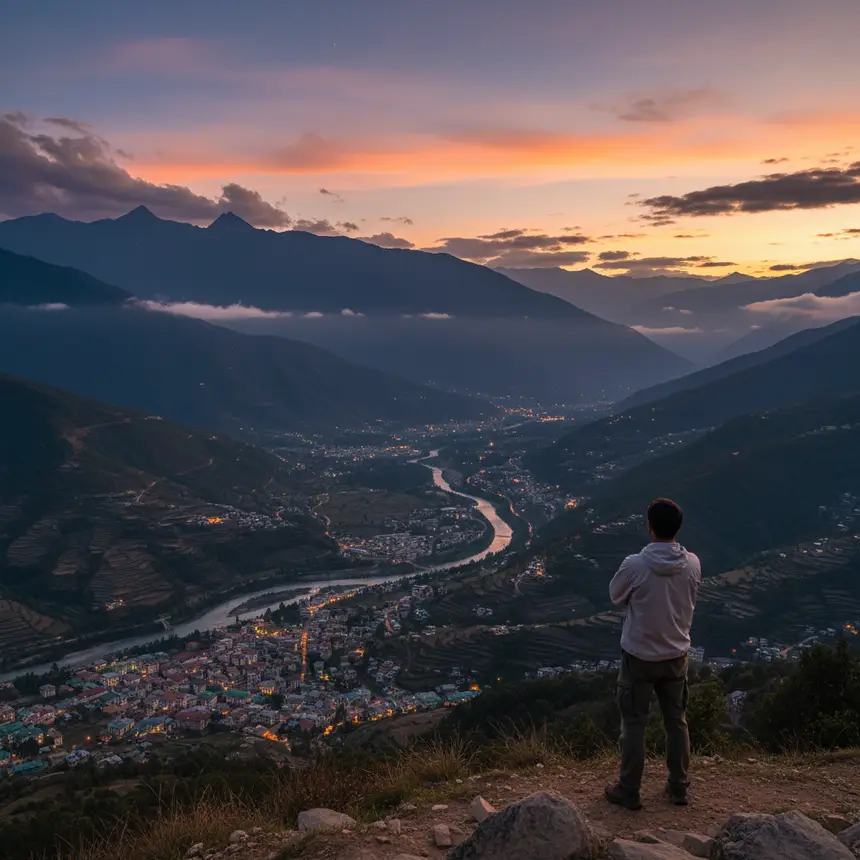
Thimphu: A Journey for the Soul
Thimphu, the capital of Bhutan, transcends the typical tourist destination; it's a special city that offers deep introspection and serenity to every visitor. Within the embrace of the majestic Himalayas, observing a community that steadfastly upholds its unique culture and spiritual values provides a profound opportunity to reflect on the true meaning of happiness. If you seek an escape from the daily grind, a chance to listen to your inner voice, and a moment to recharge your spirit, Thimphu undoubtedly stands as an exceptional choice. Embark on a journey to Thimphu, the heart of Bhutan, and infuse your life with new inspiration and peace.
Frequently Asked Questions
Q. What is the best time of year to visit Thimphu?
A. The best times to visit Thimphu are during spring (March to May) and autumn (September to November). The weather during these periods is pleasant and clear, offering excellent views of the Himalayan landscape.
Q. Are there specific cultural etiquettes I should be aware of when visiting Thimphu?
A. Yes, when visiting monasteries or dzongs, it is essential to dress modestly, ensuring your shoulders and knees are covered. It's also respectful to avoid loud conversations or pointing with your finger in sacred places.
Q. What are the main transportation options within Thimphu?
A. Taxis are the primary mode of transportation for getting around Thimphu conveniently. For shorter distances, walking is an excellent way to experience the city's vibrant atmosphere firsthand.
Q. What local dishes should I try in Thimphu?
A. We recommend trying Bhutan's national dish, Ema Datshi (chili and cheese stew), as well as Phaksha Paa (pork stew), and Momos (dumplings). Be sure to sample the unique and often spicy flavors of Bhutanese cuisine at local eateries.
Q. How can I prepare for the altitude in Thimphu?
A. Since Thimphu is at an elevation of about 7,874 feet (2,400m), it's important to take it easy on your first day, avoid strenuous activities, and get plenty of rest. Stay well-hydrated by drinking lots of water, and consider carrying some basic medication for altitude sickness as a precaution.