Vietnamese cuisine offers more than just a meal; it's a journey through culture and history. Discover essential tips and local insights to savor authentic flavors, from pho and bun cha to banh xeo, on your next culinary adventure.

The Irresistible Allure of Vietnamese Cuisine: A Multi-Sensory Journey
Vietnamese cuisine offers far more than just a meal; it's a vibrant window into the country's rich history, diverse culture, and the daily lives of its people. Often called the 'Pearl of Southeast Asia,' Vietnam has captivated food enthusiasts worldwide with its fresh ingredients and harmonious blend of spices. The distinct balance of salty, sour, sweet, spicy, and umami flavors in Vietnamese dishes leaves an unforgettable impression. You can find Vietnamese food everywhere, from bustling street food stalls to elegant restaurants, from morning till night. Each region boasts its unique specialties, making culinary exploration an exciting adventure. Experiencing freshly prepared, authentic dishes right where they originate becomes the ultimate souvenir of your trip. Prepare to be enchanted by the exotic aromas and tastes of Vietnam's table. When planning your visit, make sure to dive into the local scene and try a street food spot bustling with locals to truly grasp the essence of Vietnamese cooking.
Diving Deep into Vietnam's Iconic Dishes: The Feast of Pho, Bun Cha, and Banh Xeo
At the heart of any Vietnamese culinary journey is the pleasure of tasting its most iconic dishes. These aren't just meals; they're cherished legacies that tell stories of everyday life and heartfelt experiences of the Vietnamese people.
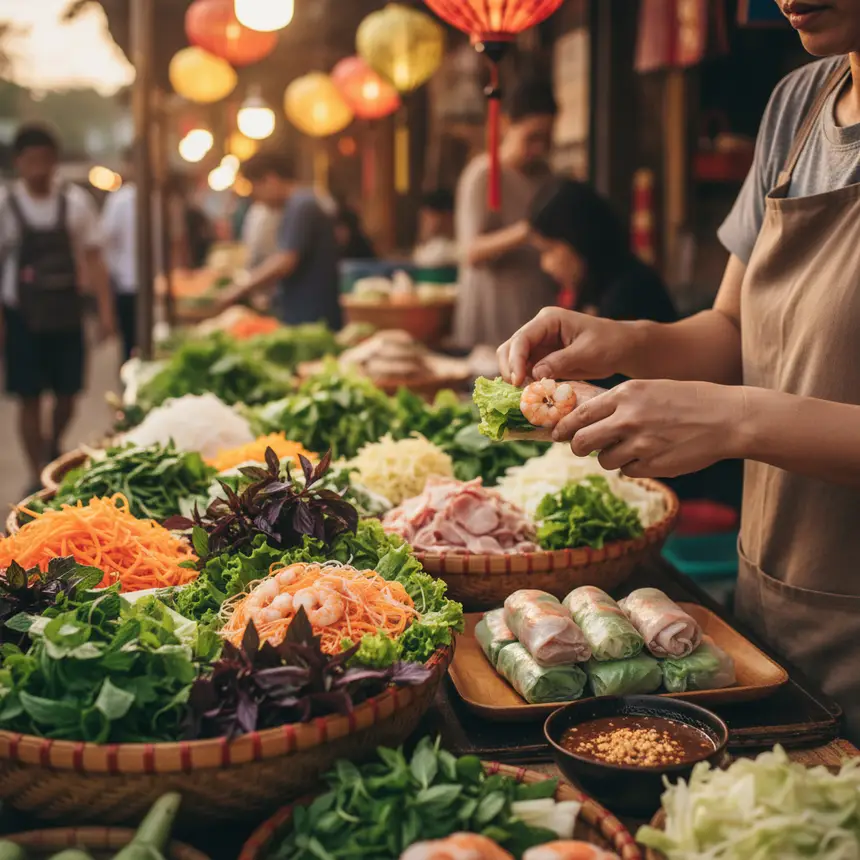
Beyond these, a myriad of other dishes await to tantalize your palate: 'Goi Cuon' (fresh spring rolls) packed with vegetables and seafood, 'Com Tam' (broken rice with grilled pork), and the famous 'Banh Mi' (Vietnamese baguette sandwich). Each dish offers a unique taste, aroma, and way of eating, showcasing the incredible richness of Vietnamese cuisine. Don't be shy when ordering at local eateries; point to pictures on the menu or to what others are eating.
- Pho: Vietnam's most famous dish, 'Pho,' is all about its rich, aromatic broth. This national noodle soup features delicate rice noodles, fresh herbs like cilantro and basil, and thinly sliced meat, all bathed in a deeply flavorful broth slow-cooked from beef or chicken bones. The depth of the broth combined with the fragrant herbs creates a perfect harmony. You can customize your bowl with lime juice, chili, and bean sprouts to your liking.
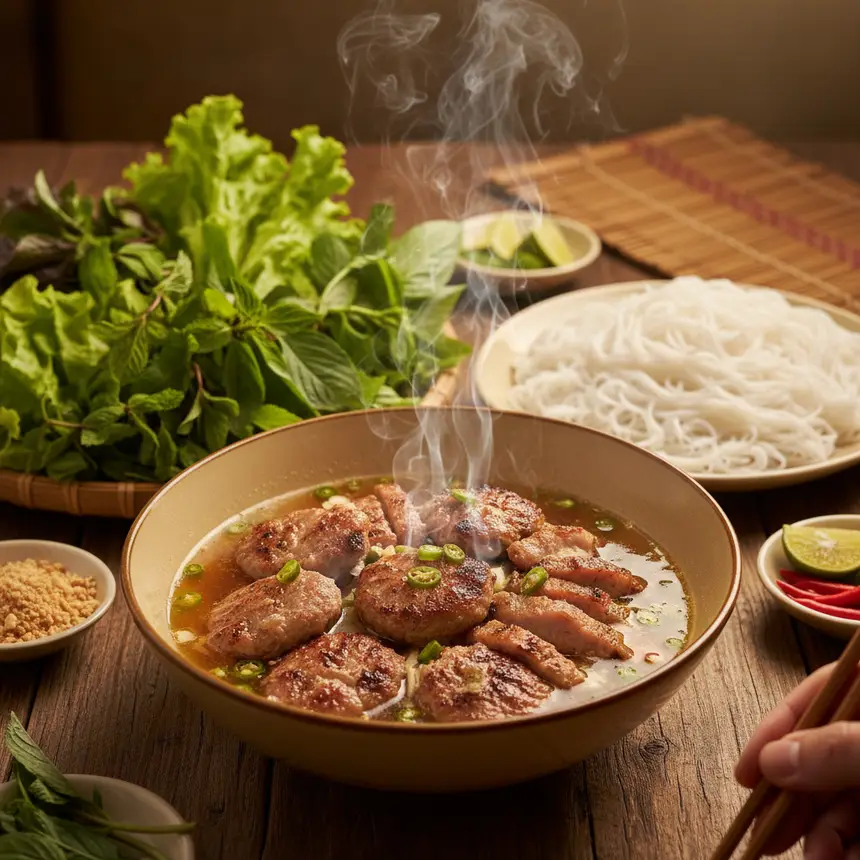
- Bun Cha: A Hanoi specialty, 'Bun Cha' is a delightful dish of grilled pork patties and slices served in a sweet and sour dipping sauce (nuoc cham). It's typically enjoyed with cold rice vermicelli noodles and a generous platter of fresh herbs and greens. The smoky flavor of the grilled pork, combined with the refreshing noodles and tangy sauce, creates an extraordinary sensation. The traditional way is to dip the noodles and herbs into the warm sauce with the meat.
- Banh Xeo: Named after the sizzling sound it makes when cooked, 'Banh Xeo' is a crispy, savory crepe made from rice flour and coconut milk. It's generously filled with shrimp, pork, bean sprouts, and other ingredients. Diners typically wrap pieces of the crepe in fresh lettuce or mustard leaves and dip it into nuoc cham. Its crispy exterior and tender interior are a treat, and eating it by hand like a local adds to the fun.
Beyond these, a myriad of other dishes await to tantalize your palate: 'Goi Cuon' (fresh spring rolls) packed with vegetables and seafood, 'Com Tam' (broken rice with grilled pork), and the famous 'Banh Mi' (Vietnamese baguette sandwich). Each dish offers a unique taste, aroma, and way of eating, showcasing the incredible richness of Vietnamese cuisine. Don't be shy when ordering at local eateries; point to pictures on the menu or to what others are eating.
※ This post contains affiliate links. I may earn a commission at no extra cost to you.

Practicalities for Your Culinary Exploration: Transport, Accommodation, and Food Budget
To truly unlock an authentic culinary experience in Vietnam, it’s wise to keep a few practical tips in mind. Understanding local transport, choosing the right accommodation, and budgeting wisely will significantly enhance your food journey.
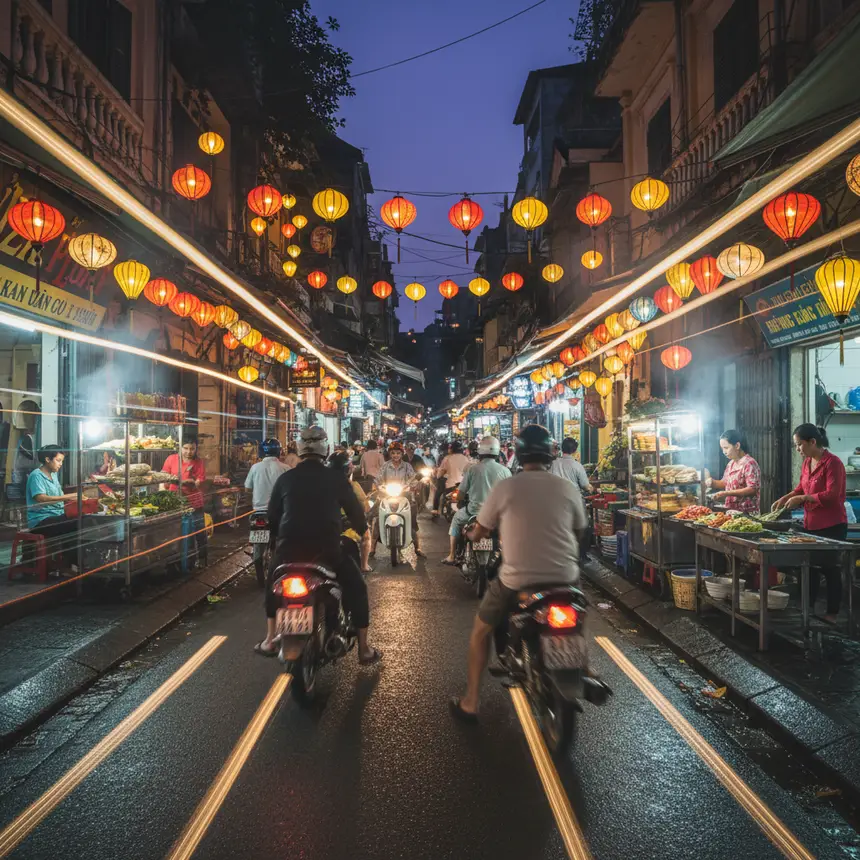
1. Finding Authentic Eateries: The best strategy is to follow the locals. Whether it's a street stall or a small restaurant, if it's bustling with people during peak meal times, you're likely in for a treat. Utilize Google Maps or local food apps to scout out highly-rated spots. Don't be deterred if menus lack English; simply point to pictures or what looks good on other tables.
2. Transportation and Accessibility: In Vietnam's major cities, motorbike taxis (like GrabBike), traditional taxis, or simply walking are your most convenient options. Street food vendors often nestle in narrow alleys or markets, making walking the ideal way to explore. Major tourist areas usually have a high concentration of popular eateries, making them easily accessible.
3. Budgeting for Food: Vietnamese food is generally very affordable. A single street food dish might cost anywhere from 20,000-50,000 VND (roughly $1-$2 USD), while a satisfying meal at a local restaurant can range from 50,000-150,000 VND ($2-$6 USD). While fine dining will be pricier, it remains quite reasonable compared to Western countries. Budgeting around 200,000-500,000 VND ($8-$20 USD) per day for food will allow you to sample a wide variety of local flavors.
4. Accommodation and Food: When selecting your lodging, consider staying in areas known for a high concentration of local eateries. Hostels and guesthouses often have staff who are excellent resources for local food recommendations, so don't hesitate to ask for their insights. Always carry small denominations of local currency; it makes paying at street food stalls and small shops much easier.
1. Finding Authentic Eateries: The best strategy is to follow the locals. Whether it's a street stall or a small restaurant, if it's bustling with people during peak meal times, you're likely in for a treat. Utilize Google Maps or local food apps to scout out highly-rated spots. Don't be deterred if menus lack English; simply point to pictures or what looks good on other tables.
2. Transportation and Accessibility: In Vietnam's major cities, motorbike taxis (like GrabBike), traditional taxis, or simply walking are your most convenient options. Street food vendors often nestle in narrow alleys or markets, making walking the ideal way to explore. Major tourist areas usually have a high concentration of popular eateries, making them easily accessible.
3. Budgeting for Food: Vietnamese food is generally very affordable. A single street food dish might cost anywhere from 20,000-50,000 VND (roughly $1-$2 USD), while a satisfying meal at a local restaurant can range from 50,000-150,000 VND ($2-$6 USD). While fine dining will be pricier, it remains quite reasonable compared to Western countries. Budgeting around 200,000-500,000 VND ($8-$20 USD) per day for food will allow you to sample a wide variety of local flavors.
4. Accommodation and Food: When selecting your lodging, consider staying in areas known for a high concentration of local eateries. Hostels and guesthouses often have staff who are excellent resources for local food recommendations, so don't hesitate to ask for their insights. Always carry small denominations of local currency; it makes paying at street food stalls and small shops much easier.
Tips for a Safe and Enjoyable Food Adventure and Who Should Go
To ensure your Vietnamese culinary adventure is both safe and immensely enjoyable, here are some crucial tips. Plus, discover what type of traveler will fall head over heels for Vietnam's food culture.
1. Hygiene and Safety: While street food is incredibly enticing, it’s vital to be mindful of hygiene. Opt for stalls that prepare food fresh upon order and have a high turnover, ensuring ingredients are fresh, rather than those selling leftover food late at night. It's always best to avoid drinks with ice and stick to bottled water. Make it a habit to check the cleanliness of napkins and cutlery in any eatery.
2. Allergies and Dietary Restrictions: If you have specific food allergies or follow a vegetarian diet, it's crucial to learn key phrases in Vietnamese to clearly communicate your needs when ordering. For instance, 'Tôi không ăn thịt' means 'I don't eat meat.'
3. Spices and Flavors: Vietnamese cuisine extensively uses various spices and herbs. If you're not accustomed to certain strong flavors, like cilantro (rau thom), you can request to have it omitted from your dish. Most establishments are accommodating.
Recommended Traveler Types:
Vietnamese food is an art and culture in itself. By following these tips, you're set to embark on a richer, safer, and more delicious culinary journey.
1. Hygiene and Safety: While street food is incredibly enticing, it’s vital to be mindful of hygiene. Opt for stalls that prepare food fresh upon order and have a high turnover, ensuring ingredients are fresh, rather than those selling leftover food late at night. It's always best to avoid drinks with ice and stick to bottled water. Make it a habit to check the cleanliness of napkins and cutlery in any eatery.
2. Allergies and Dietary Restrictions: If you have specific food allergies or follow a vegetarian diet, it's crucial to learn key phrases in Vietnamese to clearly communicate your needs when ordering. For instance, 'Tôi không ăn thịt' means 'I don't eat meat.'
3. Spices and Flavors: Vietnamese cuisine extensively uses various spices and herbs. If you're not accustomed to certain strong flavors, like cilantro (rau thom), you can request to have it omitted from your dish. Most establishments are accommodating.
Recommended Traveler Types:
- The Culinary Explorer: If you're someone who seeks to experience culture through new tastes and local foods, Vietnam is your ultimate destination.
- The Cultural Immersionist: Travelers eager to deeply understand Vietnam's daily life and traditions through its cuisine will find it incredibly rewarding.
- The Budget Traveler: For those who wish to enjoy abundant and delicious meals without breaking the bank, Vietnam's food scene offers immense satisfaction.
- Family Travelers: With its diverse range of dishes, Vietnamese food can please palates from children to adults, offering fresh ingredients for healthy dining.
Vietnamese food is an art and culture in itself. By following these tips, you're set to embark on a richer, safer, and more delicious culinary journey.
Frequently Asked Questions
Q. What are the must-try dishes when traveling to Vietnam?
A. When visiting Vietnam, you absolutely must try 'Pho' (noodle soup), 'Bun Cha' (grilled pork with noodles), and 'Banh Xeo' (Vietnamese savory crepe). Other highly popular dishes include 'Banh Mi' (Vietnamese baguette sandwich), 'Com Tam' (broken rice with grilled pork), and fresh 'Goi Cuon' (fresh spring rolls).
Q. How can I safely enjoy Vietnamese street food?
A. To safely enjoy street food, choose popular stalls that are busy with locals and where food is cooked fresh to order. Avoid drinks with ice and opt for bottled water. It's also a good idea to carry hand sanitizer and use it before and after eating.
Q. Are there any basic dining etiquette rules to follow in Vietnamese restaurants?
A. In Vietnam, chopsticks and spoons are primarily used, and sharing dishes is common. It's normal to hold your rice bowl up to your mouth or slurp your noodles. While finishing your food is considered polite, don't feel obligated to eat more than you're comfortable with.
Q. Is it easy for vegetarians to find food options in Vietnam?
A. Yes, Vietnam is relatively accommodating for vegetarians. There are many vegetarian-specific restaurants called 'Com Chay.' In regular eateries, you can often request dishes like pho or fried rice without meat. Knowing phrases like 'Tôi không ăn thịt' (I don't eat meat) can be very helpful.
Q. What are some popular drinks to have with food in Vietnam?
A. During meals, locals often enjoy 'Tra da' (iced tea) or fresh coconut water. After a meal, strong Vietnamese coffee, especially 'Ca phe sua da' (iced coffee with condensed milk), is very popular. Fresh fruit juices are also excellent choices.