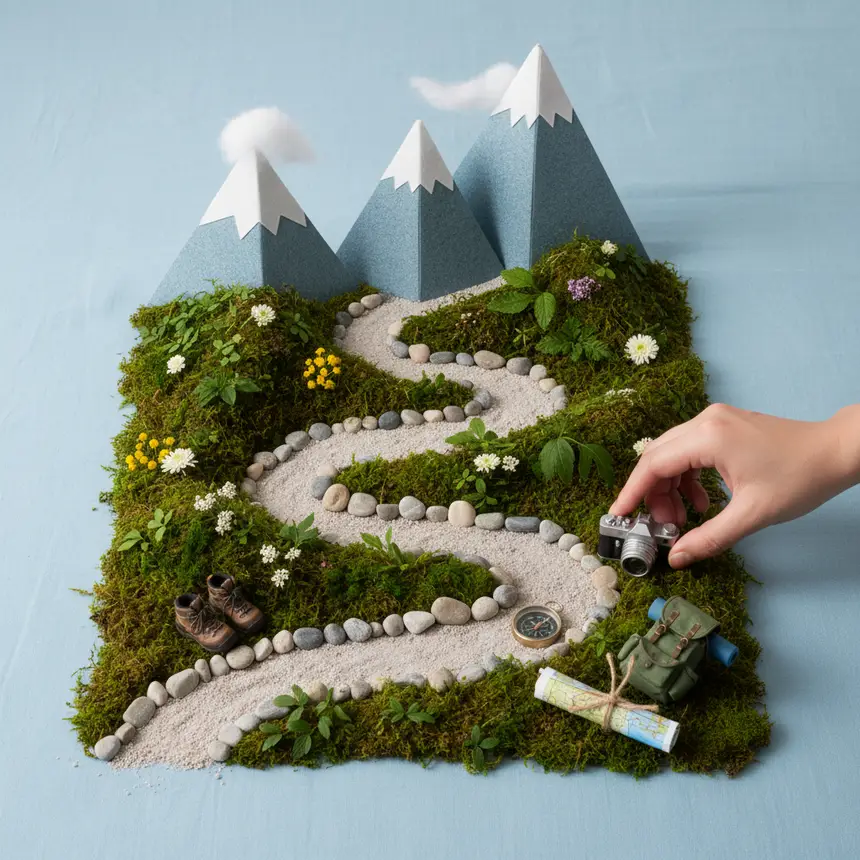
Prepare for the unpredictable Swiss weather and high-altitude Jungfrau adventure. Discover essential packing lists and smart tips to save money and maximize your experience.

Unveiling the Alpine Majesty: Unforgettable Moments Await in Jungfrau
If you're dreaming of an extraordinary European journey, the Swiss Alps, particularly the iconic Jungfrau region, stands as a beacon of natural splendor. Often called the "Top of Europe," Jungfraujoch, perched at approximately 11,333 feet (3,454 meters) above sea level, offers breathtaking panoramic vistas of ancient glaciers and snow-capped peaks. This isn't just a sightseeing trip; it's an immersive experience where you can feel the raw power of nature and witness landscapes that seem to defy imagination. From charming alpine villages nestled in verdant valleys to the pristine, crisp air of the high mountains, Jungfrau provides an unparalleled sense of wonder and adventure that will leave a lasting impression on any traveler. Prepare to be captivated by this majestic destination.
Jungfrau's Artistic Landscapes and Culinary Explorations
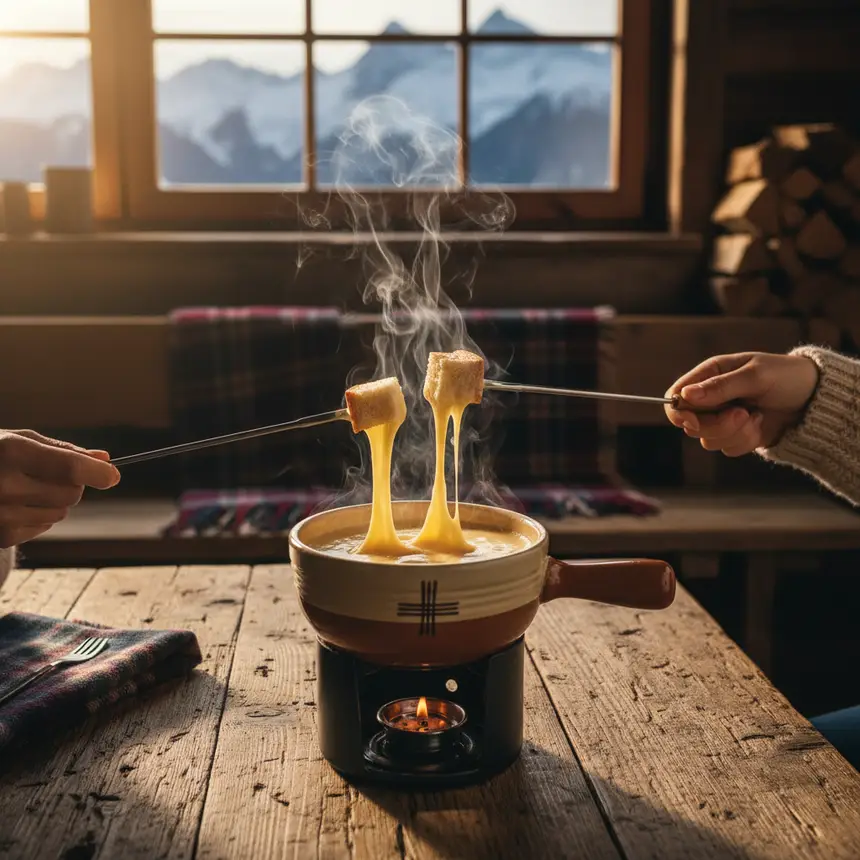
The Jungfrau region is a living canvas of natural artistry. At Jungfraujoch, visitors can explore the Sphinx Observatory for unparalleled 360-degree views of the Aletsch Glacier, a UNESCO World Heritage site, or wander through the enchanting Ice Palace, an intricate network of ice tunnels and sculptures. For a taste of alpine trekking, even a short walk near the Eiger Glacier provides stunning photo opportunities against a backdrop of towering peaks. When it comes to dining, Swiss cuisine offers more than just sustenance. While restaurants in high-altitude areas can be pricey, indulging in traditional dishes like creamy cheese fondue or savory raclette is a quintessential Swiss experience worth savoring. To manage costs, consider packing some easy-to-prepare meals or opting for accommodations with kitchenettes. You'll also discover that Swiss tap water is among the world's finest; carrying a reusable bottle allows you to stay hydrated with fresh Alpine water throughout your journey.
※ This post contains affiliate links. I may earn a commission at no extra cost to you.

Practical Preparations for an Efficient Swiss Adventure
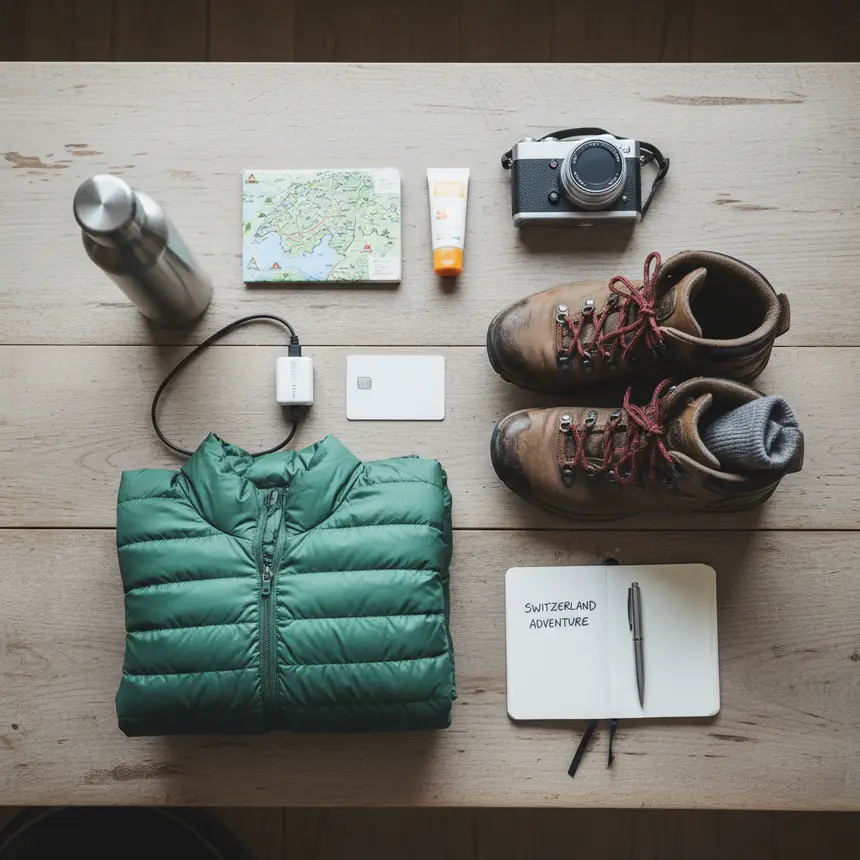
A well-prepared traveler is a happy traveler, especially when navigating the diverse climates of Switzerland. Due to rapid weather changes and significant temperature drops at higher elevations—Jungfraujoch, for instance, can be 10-20°F (about 6-10°C) colder than the valley towns—layering is absolutely crucial. Pack a windproof jacket, long pants, and a light insulated jacket even during summer months. Comfortable, sturdy walking shoes are essential for exploring towns and light alpine trails. For finances, cashless payments are widely accepted; a travel-friendly debit card with no foreign transaction fees is highly recommended, with a credit card as backup and a small amount of Swiss Francs for minor purchases. Additionally, given the high cost of medical care, comprehensive travel insurance is a non-negotiable. Don't forget a universal travel adapter for European C-type outlets, as plugs differ from those in North America. For navigation, download the 'SBB Mobile' app for precise train, bus, and boat schedules, and 'MeteoSwiss' for accurate weather forecasts, your indispensable guides for seamless travel.
Navigating High Altitudes and Smart Budgeting in Jungfrau
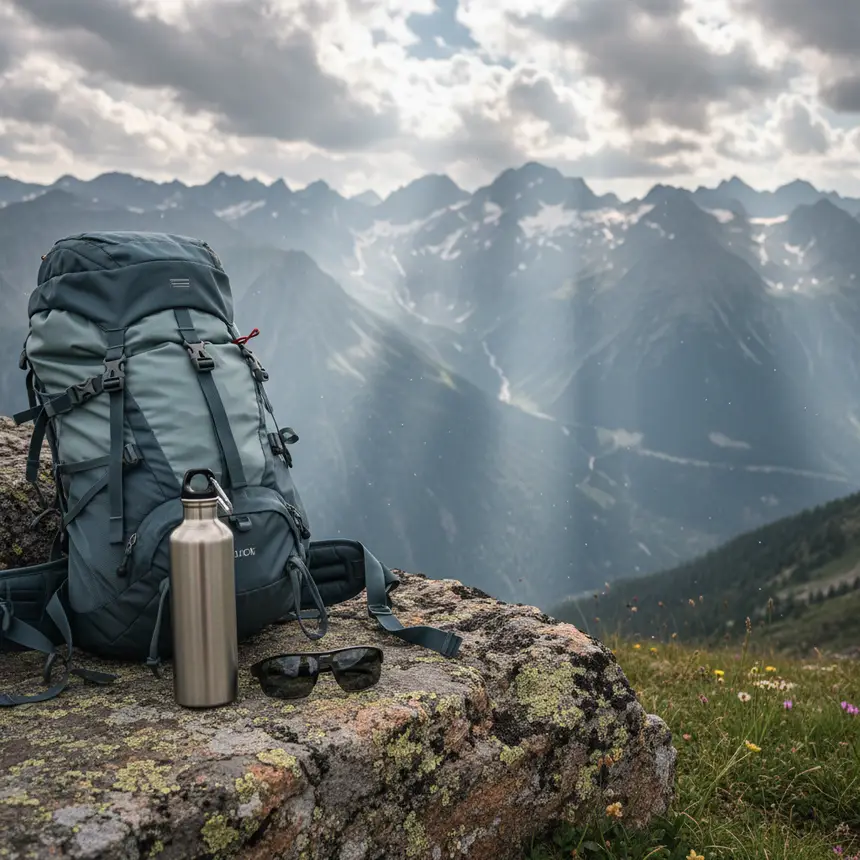
Visiting Jungfraujoch, with its impressive altitude of nearly 13,000 feet, requires awareness of altitude sickness. To prevent discomfort, move slowly, avoid strenuous activity, and take frequent breaks. If you feel dizzy or short of breath, find a place to rest and breathe deeply. Consistent hydration is also key, so sip water regularly. The sun's intensity is significantly higher at altitude, compounded by reflection off the snow, making broad-spectrum sunscreen (SPF 50+), sunglasses, and lip balm non-negotiable. Mountain railway tickets, particularly for Jungfraujoch, can be a substantial expense. Research various regional passes or multi-day travel passes like the Swiss Travel Pass or Eurail Pass, as they often offer significant discounts on mountain excursions (e.g., reductions of 25-50% or more on specific segments). Even without a major pass, look for local discount coupons available for visitors; these can offer substantial savings compared to the full fare. Thoughtful preparation not only enhances safety but also helps manage your budget effectively.
Frequently Asked Questions
Q. What kind of clothing should I pack for Switzerland, given its varied weather?
A. Switzerland experiences diverse climates depending on region and altitude. For high-altitude areas like Jungfrau, which can be significantly colder than cities, it's vital to pack in layers. Include a light insulated jacket, a windproof shell, long pants, and comfortable walking shoes, regardless of the season.
Q. Should I use cash or card more often when traveling in Switzerland?
A. Card payments are widely accepted throughout Switzerland. It's best to use a travel-friendly debit card with no foreign transaction fees for most purchases. Keep a credit card for emergencies and a small amount of Swiss Francs for very minor transactions or places that might only accept cash.
Q. What precautions should I take when visiting high-altitude areas like Jungfrau?
A. At Jungfraujoch's high altitude (around 13,000 feet), oxygen is thinner, leading to potential altitude sickness. Move slowly, avoid overexertion, and rest if you feel dizzy or short of breath. Staying well-hydrated by drinking water frequently is also crucial for prevention.
Q. Are there any useful apps for public transportation in Switzerland?
A. Absolutely! The 'SBB Mobile' app, from the Swiss Federal Railways, provides accurate real-time information and timetables for all public transport, including trains, buses, and boats, making your travel planning seamless. 'MeteoSwiss' is another excellent app for reliable weather forecasts, helping you adjust your itinerary accordingly.
Q. Switzerland is known for being expensive. Do you have tips for saving money on food?
A. Dining out in Switzerland can be costly. To save on food expenses, consider booking accommodations with kitchenette facilities to cook some of your meals. Buying groceries from local supermarkets for picnics or simple dinners is a great way to experience local produce and keep your budget in check.