Planning a trip to enchanting Budapest? This guide breaks down mobile data options – roaming, physical SIM, and eSIM – to help you choose the best way to stay connected. Discover pros and cons and essential tips for seamless internet access during your Hungarian adventure.

Embrace Budapest's Charm with Seamless Connectivity
Imagine strolling along the Danube, capturing the breathtaking night views of the Chain Bridge, or navigating to a hidden ruin bar for an authentic Hungarian experience. For many travelers, these moments are enhanced by the ability to share them instantly, look up directions, or find that perfect local eatery. Yet, the thought of international data can bring a wave of anxiety: expensive roaming charges, the hassle of swapping physical SIM cards, or unreliable connections. If you're planning a trip to Budapest and feeling overwhelmed by mobile data options, you're not alone. This guide will help you understand the best ways to stay connected, tailored to your travel style. Before you even pack your bags, consider your usual data usage and what matters most to you: convenience, cost-effectiveness, or reliability.
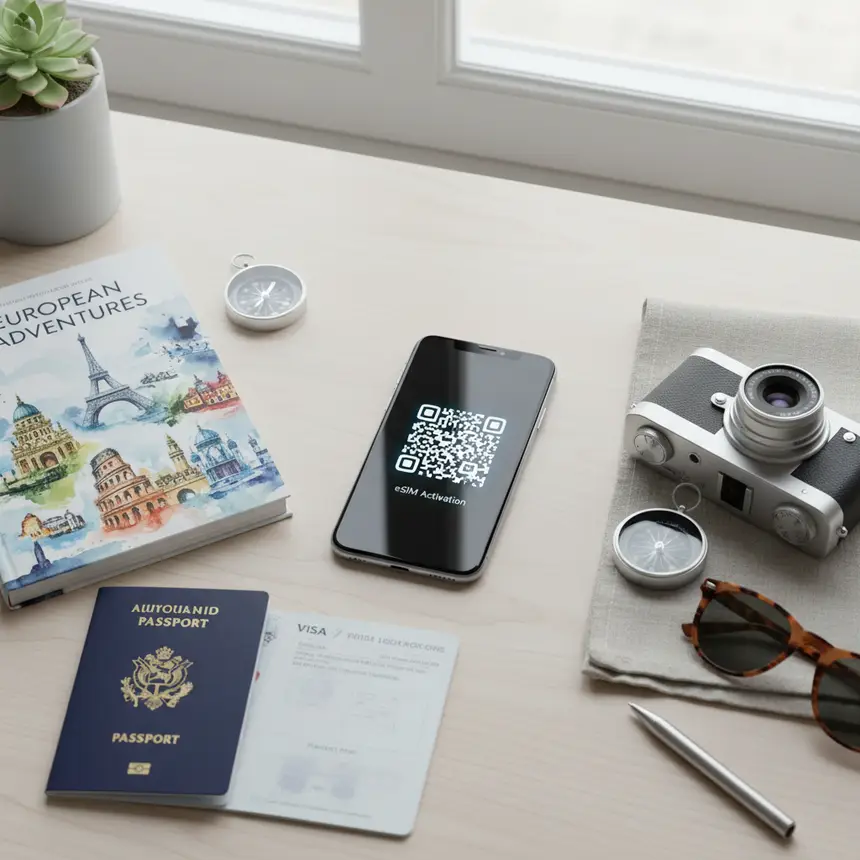
Choosing Your Budapest Data Plan: Roaming vs. SIM vs. eSIM
Staying connected during your Budapest adventure is no longer a luxury but a necessity. You have three primary options for mobile data, each with distinct advantages and disadvantages:
1. International Roaming from Your Home Carrier
2. Local Physical SIM Card
3. eSIM (Embedded SIM)
In Budapest's city center, including major attractions like the Parliament Building and Fisherman's Bastion, you'll generally find excellent 5G or LTE coverage. However, in deeper subway lines or within ancient stone buildings, signal strength might diminish. A smart workaround is to download offline maps on Google Maps beforehand, ensuring you're never lost, even without a signal. The very first step you should take is checking if your smartphone is eSIM compatible.
1. International Roaming from Your Home Carrier
- Pros: You keep your existing phone number and can start using data the moment you land without any setup. This is ideal if missing calls or texts from home is a concern.
- Cons: Typically the most expensive option, and data speeds might be slower than local networks. Best suited for very short trips or business travelers who prioritize ease over cost.
2. Local Physical SIM Card
- Pros: Offers cost-effective access to local network speeds and often comes with generous data allowances. A great choice for budget-conscious travelers or longer stays.
- Cons: Requires you to remove your home SIM card, risking its loss and temporarily losing access to your home number. You'll also need to purchase it upon arrival at the airport or a local store, which can be time-consuming.
3. eSIM (Embedded SIM)
- Pros: This modern solution allows you to activate a local data plan by simply scanning a QR code, no physical swapping required. You can keep your home SIM active for calls/texts while using the eSIM for data, offering the best of both worlds—convenience and cost-efficiency. Activation can be done before you even leave home, ensuring immediate connectivity upon arrival.
- Cons: Not all smartphones support eSIM technology. It's primarily available on newer models (e.g., iPhone XS and later, Samsung Galaxy S23 and later). You must verify your device's compatibility before relying on this option.
In Budapest's city center, including major attractions like the Parliament Building and Fisherman's Bastion, you'll generally find excellent 5G or LTE coverage. However, in deeper subway lines or within ancient stone buildings, signal strength might diminish. A smart workaround is to download offline maps on Google Maps beforehand, ensuring you're never lost, even without a signal. The very first step you should take is checking if your smartphone is eSIM compatible.
※ This post contains affiliate links. I may earn a commission at no extra cost to you.

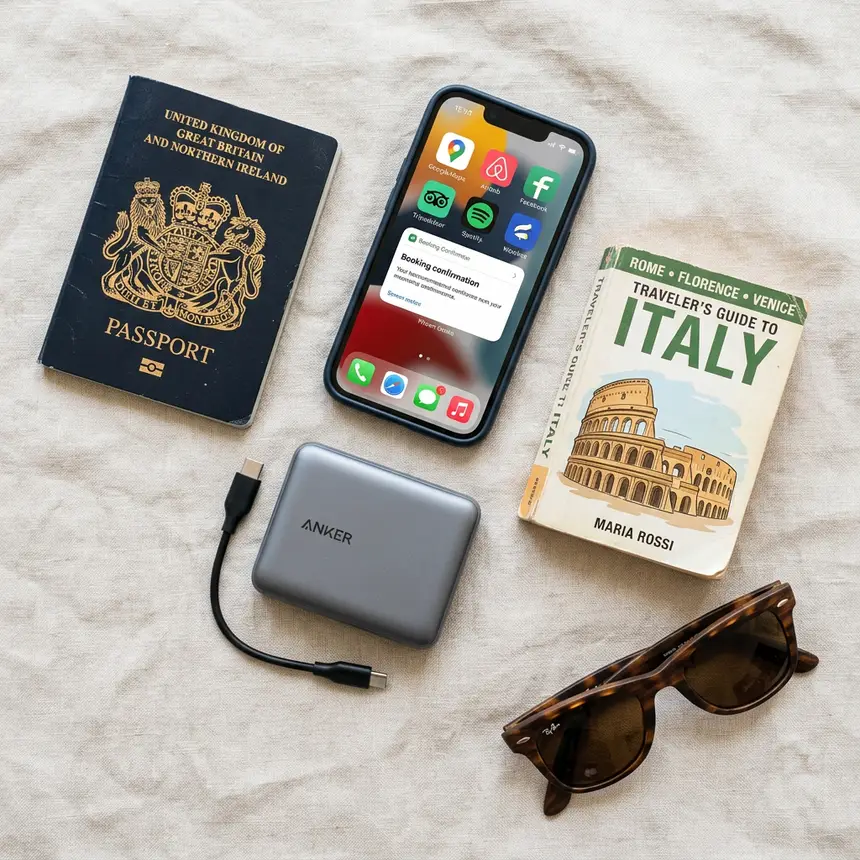
Your Budapest Smart Travel Checklist: Final Preparations
Beyond just sorting out your data plan, a few additional steps can significantly enhance your Budapest travel experience. Here’s a final checklist to ensure a smooth and enjoyable trip:
1. Verify Smartphone Compatibility: The most crucial step for eSIM users is confirming your phone supports it. Most modern smartphones do, but a quick check on your manufacturer's website or with your carrier will provide certainty. This avoids last-minute connectivity surprises.
2. Plan for Multi-Country Trips: If your itinerary includes neighboring countries like Austria or the Czech Republic, consider purchasing a regional 'Europe-wide' data plan. This is often more economical and convenient than buying separate data plans for each country you visit, saving you money and hassle.
3. Pre-Install Essential Local Apps: Download and set up key local applications before you arrive. Ride-hailing apps like Bolt (Budapest's equivalent to Uber) and public transport apps like BKK Futár are invaluable for getting around. Having them ready means you can hit the ground running, navigate efficiently, and avoid common tourist pitfalls.
4. Prepare Backups and Offline Resources: To mitigate any potential data disruptions or battery drain, keep important documents (flight tickets, hotel bookings) saved offline, not just in the cloud. Downloading offline maps for your planned routes in Google Maps is also a lifesaver. This way, whether you're soaking in the Szechenyi Baths or savoring a hearty goulash, you can fully immerse yourself in the experience without worrying about getting lost or disconnected.
1. Verify Smartphone Compatibility: The most crucial step for eSIM users is confirming your phone supports it. Most modern smartphones do, but a quick check on your manufacturer's website or with your carrier will provide certainty. This avoids last-minute connectivity surprises.
2. Plan for Multi-Country Trips: If your itinerary includes neighboring countries like Austria or the Czech Republic, consider purchasing a regional 'Europe-wide' data plan. This is often more economical and convenient than buying separate data plans for each country you visit, saving you money and hassle.
3. Pre-Install Essential Local Apps: Download and set up key local applications before you arrive. Ride-hailing apps like Bolt (Budapest's equivalent to Uber) and public transport apps like BKK Futár are invaluable for getting around. Having them ready means you can hit the ground running, navigate efficiently, and avoid common tourist pitfalls.
4. Prepare Backups and Offline Resources: To mitigate any potential data disruptions or battery drain, keep important documents (flight tickets, hotel bookings) saved offline, not just in the cloud. Downloading offline maps for your planned routes in Google Maps is also a lifesaver. This way, whether you're soaking in the Szechenyi Baths or savoring a hearty goulash, you can fully immerse yourself in the experience without worrying about getting lost or disconnected.
Frequently Asked Questions
Q. Should I buy a physical SIM card or use an eSIM for my Budapest trip?
A. For most travelers, an eSIM is the more convenient and efficient choice. It eliminates the need to physically swap SIM cards and allows you to keep your home number active while using local data. However, you must first verify that your smartphone supports eSIM technology. If your phone is older and doesn't support eSIM, then purchasing a local physical SIM is still an excellent option.
Q. Is international data roaming a good option for visiting Budapest?
A. While convenient, international data roaming is typically the most expensive option. Unless you're on a very short business trip or have extremely minimal data needs, using a local SIM card or an eSIM will be far more economical. For longer trips or higher data usage, it's highly recommended to consider alternatives to roaming.
Q. What is the internet speed like in Budapest?
A. Hungary generally boasts a well-developed internet infrastructure within Europe. In Budapest's main city areas and tourist spots, you can expect comfortable 5G or LTE speeds. However, signal strength might weaken in subway tunnels or inside very old, thick-walled buildings. It's a good idea to download important maps offline as a backup.
Q. Can I still receive calls and texts from my home country if I use an eSIM?
A. Yes, absolutely. One of the major advantages of using an eSIM is that it operates alongside your existing physical SIM. This means you can continue to receive calls and texts on your home number while using the eSIM for your data needs. This dual functionality is a significant benefit compared to physically swapping out your SIM card.
Q. Are there any useful transportation apps I should download for Budapest?
A. For ride-hailing services in Budapest, the 'Bolt' app is widely used and operates similarly to Uber. If you plan to use public transport, the 'BKK Futár' app is invaluable. It provides real-time information on bus, tram, and metro routes and schedules, making getting around the city much easier.