Planning a trip to Switzerland's majestic landscapes? Discover how to efficiently explore the entire country without breaking the bank using a Swiss rail pass. From pass types and booking to practical usage tips, find all the information you need for a smart Swiss adventure.

Embrace the Majesty: The Allure of Swiss Rail Journeys
Nestled in the heart of Europe, Switzerland stands as a dream destination for travelers worldwide, renowned for its majestic Alpine peaks, serene lakes, and a public transportation system that runs with clockwork precision. A train journey through Switzerland is far more than mere transit; it's an immersive experience into a breathtaking natural panorama. As you glide past snow-capped summits, verdant valleys, and charming villages, the scenery outside your window offers endless visual delights. However, planning such an extraordinary trip often comes with concerns about transportation costs. Switzerland is known for its high cost of living, making efficient travel planning absolutely essential. This is where a Swiss rail pass becomes your most valuable companion. Used wisely, it unlocks the entire country for exploration, significantly easing your budget concerns. Let's delve into how you can make the most of a rail pass to experience Switzerland's unparalleled beauty both affordably and conveniently.
The Swiss Rail Pass: From Types to Practical Application
Maximizing the efficiency of your Swiss adventure hinges on selecting the right rail pass, as several options cater to different travel styles. Passes are generally categorized as continuous or flexible, available for durations like 3, 4, 6, 8, or 15 days. A continuous pass is ideal for packed itineraries involving daily travel, allowing unlimited use for consecutive days. A flexible pass, on the other hand, lets you pick specific travel days within a longer validity period, perfect for more relaxed trips or when long-distance travel is only needed on certain days. You can also choose between first and second class; even second class offers comfortable and convenient travel, making it an excellent value-for-money option for budget-conscious explorers.
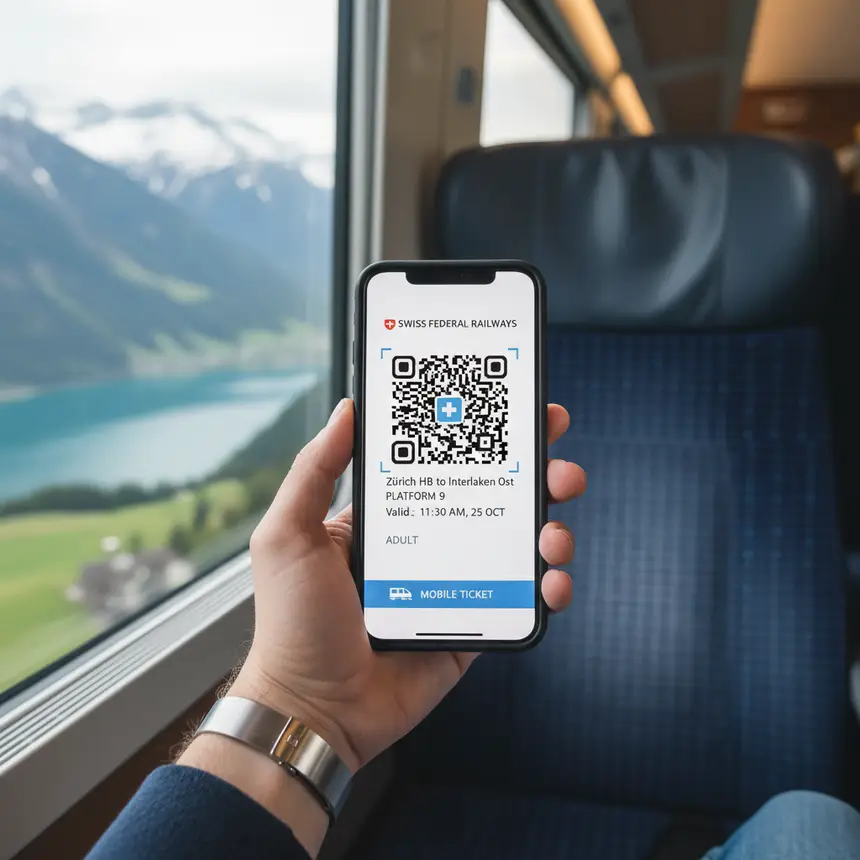
The booking process for a pass is straightforward. You can typically purchase it through online travel platforms or the official national railway website, receiving a mobile voucher or serial number. This information is then used to register on the local railway system, which generates an e-ticket with a QR code. Storing this e-ticket in your smartphone's wallet app makes boarding trains incredibly convenient. For instance, when traveling from Interlaken Ost to Lucerne, simply arrive at the platform according to your pre-checked schedule, and find any available seat in the carriage corresponding to your pass class. Most Swiss trains operate with open seating, and the comfortable interiors are perfect for catching up on work or simply relaxing during your journey. When a conductor requests to check your ticket, just present the QR code on your smartphone. This single pass not only covers trains but often includes free access to certain buses, boats, and even discounts on museum admissions. Be sure to review the full list of benefits before you depart to maximize your savings.
The booking process for a pass is straightforward. You can typically purchase it through online travel platforms or the official national railway website, receiving a mobile voucher or serial number. This information is then used to register on the local railway system, which generates an e-ticket with a QR code. Storing this e-ticket in your smartphone's wallet app makes boarding trains incredibly convenient. For instance, when traveling from Interlaken Ost to Lucerne, simply arrive at the platform according to your pre-checked schedule, and find any available seat in the carriage corresponding to your pass class. Most Swiss trains operate with open seating, and the comfortable interiors are perfect for catching up on work or simply relaxing during your journey. When a conductor requests to check your ticket, just present the QR code on your smartphone. This single pass not only covers trains but often includes free access to certain buses, boats, and even discounts on museum admissions. Be sure to review the full list of benefits before you depart to maximize your savings.
※ This post contains affiliate links. I may earn a commission at no extra cost to you.

Unlocking More: Tips for an Enriched Swiss Rail Journey
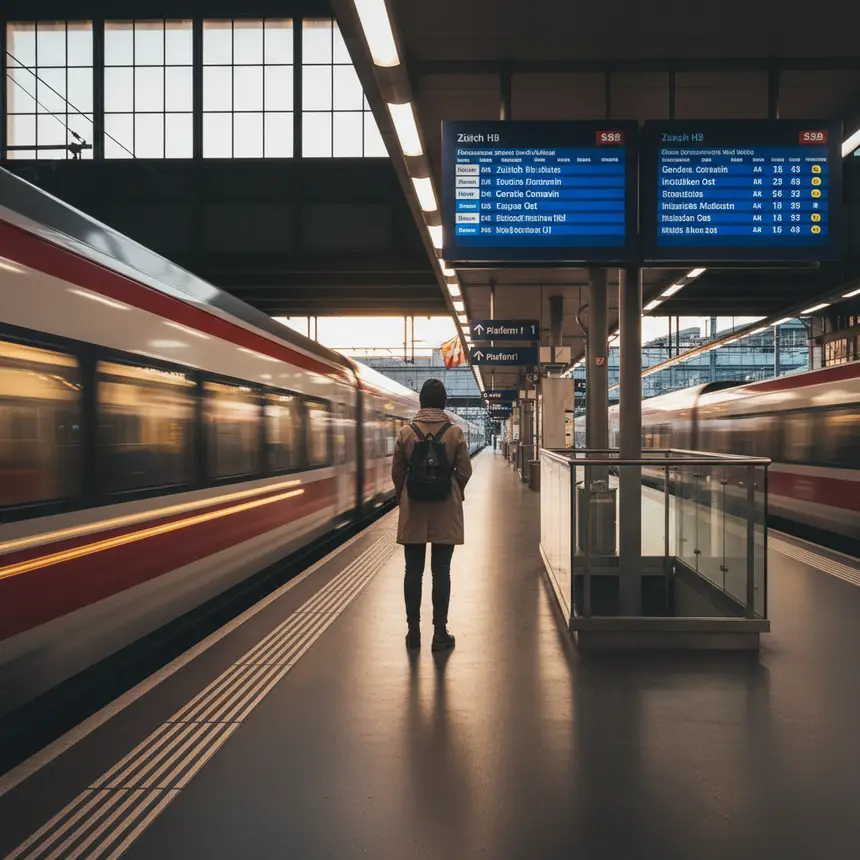
To truly get the most out of your Swiss rail pass and enhance your travel experience, consider these key strategies. First, make it a habit to check train schedules for your intended routes in advance. Swiss trains are known for their punctuality, but staying updated with the latest information is always smart, especially for unforeseen schedule changes. Embrace the flexibility your pass offers; a spontaneous day trip to an unexpected city can create unforgettable memories. For example, while staying in Lucerne, a quick 40-minute train ride can whisk you away to Zurich for an impromptu urban exploration.
Second, actively leverage the pass's supplementary benefits. Beyond just train rides, free boat cruises on major lakes, discounts on popular mountain railways, and free or reduced admission to numerous museums can significantly elevate your trip. Check the list of these perks beforehand and integrate them into your itinerary to uncover hidden gems. Third, the extensive network covered by the Swiss Pass makes inter-city travel incredibly seamless, connecting major hubs like Geneva, Bern, Zurich, Interlaken, and Zermatt with ease. For travelers planning to visit multiple cities and truly immerse themselves in Switzerland's diverse landscapes and culture, this pass offers a far more economical and efficient option than buying individual tickets. Lastly, it's always wise to book your pass online in advance. Early bird discounts or limited-time promotions are often available, allowing you to secure your pass at an even better price. If you dream of experiencing both the grandeur of Swiss nature and the charm of its cities, a rail pass is your ticket to a smarter, more rewarding journey.
Second, actively leverage the pass's supplementary benefits. Beyond just train rides, free boat cruises on major lakes, discounts on popular mountain railways, and free or reduced admission to numerous museums can significantly elevate your trip. Check the list of these perks beforehand and integrate them into your itinerary to uncover hidden gems. Third, the extensive network covered by the Swiss Pass makes inter-city travel incredibly seamless, connecting major hubs like Geneva, Bern, Zurich, Interlaken, and Zermatt with ease. For travelers planning to visit multiple cities and truly immerse themselves in Switzerland's diverse landscapes and culture, this pass offers a far more economical and efficient option than buying individual tickets. Lastly, it's always wise to book your pass online in advance. Early bird discounts or limited-time promotions are often available, allowing you to secure your pass at an even better price. If you dream of experiencing both the grandeur of Swiss nature and the charm of its cities, a rail pass is your ticket to a smarter, more rewarding journey.
Frequently Asked Questions
Q. Is a rail pass essential for traveling in Switzerland?
A. While not strictly mandatory, a rail pass is highly recommended if you plan to travel extensively between different cities or regions within Switzerland using trains, buses, and boats. It generally offers better value and convenience than purchasing individual tickets, especially in a country known for its high travel costs.
Q. What are the main differences between 1st and 2nd class on Swiss trains?
A. First class typically offers more spacious seating, a quieter environment, and often a 2-1 seating arrangement, making window seats easier to secure. Some routes might offer additional amenities. Second class is also clean and comfortable but might be more crowded with less legroom. For budget-conscious travelers, second class provides excellent value.
Q. How can I best utilize a flexible rail pass?
A. A flexible pass is ideal for itineraries that include non-consecutive travel days within a longer validity period, especially if you plan extended stays in certain cities. For maximum efficiency, activate the pass only on days when you plan long-distance travel, relying on local public transport for shorter city explorations on other days.
Q. Are there any benefits of the Swiss Pass beyond just transportation?
A. Absolutely! In addition to unlimited travel on trains, buses, trams, and boats, the Swiss Pass often includes free admission or significant discounts to numerous museums and art galleries, as well as reduced fares on many mountain railways and cable cars. It's advisable to check the detailed list of benefits provided with your pass or on the official website to integrate them into your travel plans.