Planning a Canadian getaway? Discover everything from essential ETA application steps to practical tips for a memorable winter trip, including aurora viewing. Prepare for your adventure with confidence!

Dreaming of Canada? Let's Get You Ready!
Canada, with its breathtaking natural landscapes and vibrant urban centers, is a dream destination for many. Before you pack your bags and head north, it’s crucial to understand the necessary entry procedures and prepare adequately for a smooth journey. A key step in this process is the Electronic Travel Authorization (eTA), which has become a vital component of international travel. This guide will walk you through the entire Canadian entry process, offering practical tips to ensure your adventure is as seamless and memorable as possible. Your Canadian exploration truly begins here.

Understanding Canada's eTA: Your Gateway to Adventure
To fully immerse yourself in Canada's stunning scenery, one of the most fundamental preparations is obtaining an eTA. Unlike in the past, most visa-exempt foreign nationals now require an approved eTA before boarding a flight to Canada. This system is similar to electronic travel authorizations adopted by countries like the United States, Australia, and many European nations, designed to enhance border security and streamline the entry process. Once issued, an eTA is typically valid for up to five years, or until your passport expires, whichever comes first. Remember, if you get a new passport during this period, you’ll need to apply for a new eTA as well.
※ This post contains affiliate links. I may earn a commission at no extra cost to you.

Step-by-Step: Applying for Your Canadian eTA
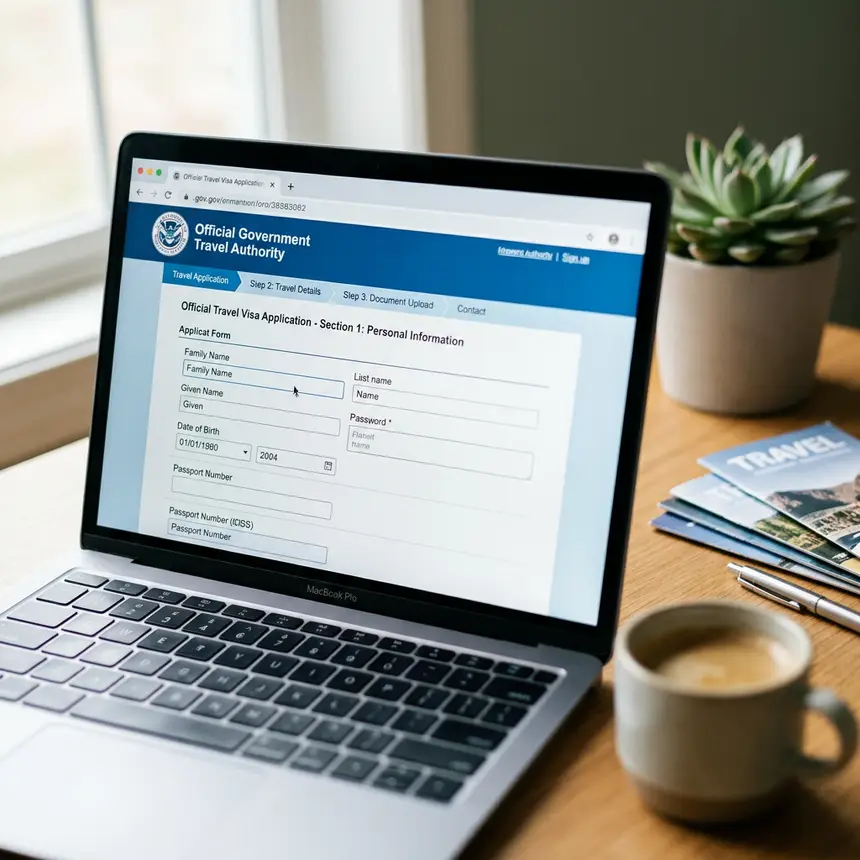
Applying for your Canadian eTA is a straightforward process. You'll simply need to visit the official government website and provide some information. Begin by searching for 'Canada eTA' on any major search engine to ensure you access the legitimate government portal. The website offers support in various languages, making the application more accessible. Essential items you’ll need are a valid passport, a personal email address, and a credit or debit card for payment. The application fee is a modest CAD$7, payable securely online. Even if you're traveling as a family, each individual must complete a separate application. Pay close attention to detail when entering your passport details, nationality, and personal information to avoid any errors. After completing the form and submitting payment, you can expect an email confirmation of your eTA approval within minutes. Be sure to check your spam folder. Keep this confirmation safe, as it might be required upon arrival at Canadian immigration.
Conquering the Cold: Essential Tips for Your Canadian Winter Journey
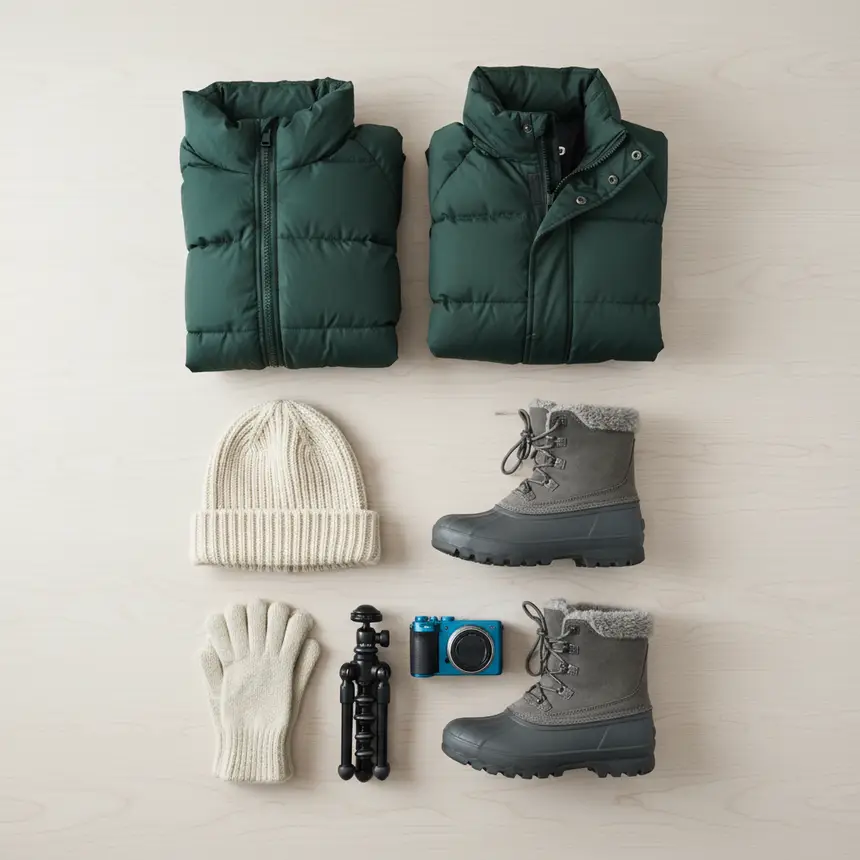
While winter in Canada offers a magical wonderland and the breathtaking spectacle of the Northern Lights, it also demands thorough preparation for extreme cold. Whether you’re visiting eastern cities like Toronto and Montreal or western hubs like Vancouver and Whistler, temperatures can drop significantly. For those venturing into the Canadian Rockies, Yellowknife, or the Yukon Territory, which are closer to the Arctic Circle, essential gear includes insulated parkas, waterproof outer layers, hats, gloves, thick socks, and hand warmers. Layering your clothing is highly effective for warmth.
- Protecting Electronics: Cold weather rapidly drains smartphone and camera batteries. Pack extra power banks and keep devices in warm pockets or insulated cases when not in use. You might even consider spare batteries specifically designed for cold conditions.
- Renting a Car: Driving in snowy conditions requires caution. Opt for a four-wheel-drive vehicle if possible, and confirm if it comes equipped with snow tires or chains. Gas stations can be far apart in remote areas, so make it a habit to refuel whenever you see a station. Expect to clear snow from your windshield every morning.
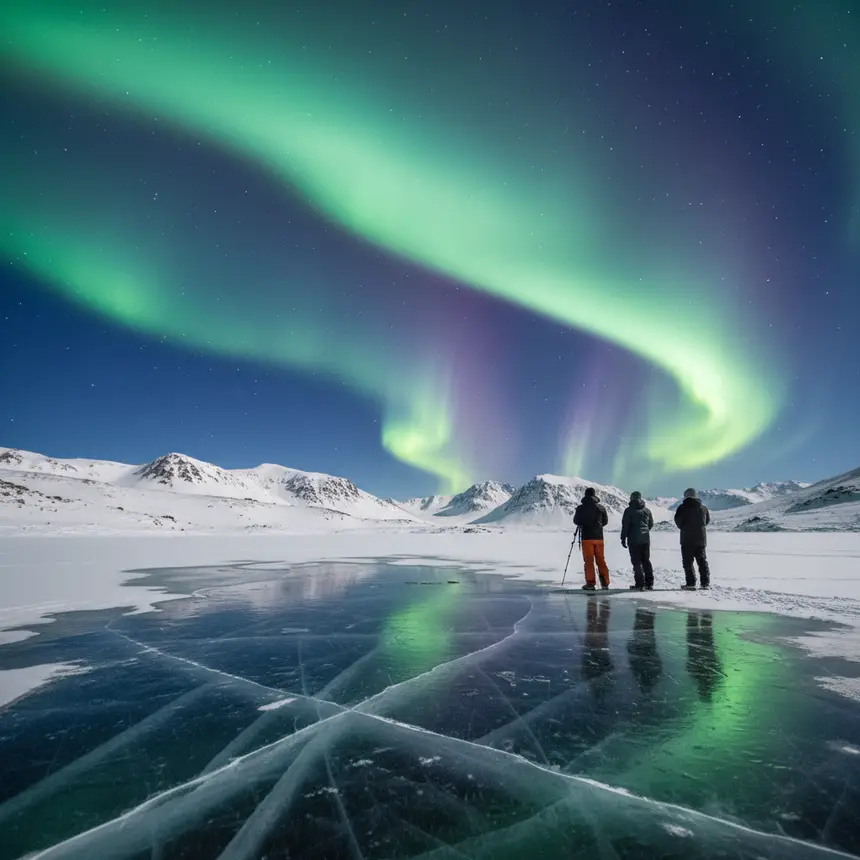
- Aurora Hunting: Yellowknife is renowned as one of the best places in the world to witness the aurora borealis due to its high visibility. To capture stunning photos, a sturdy tripod is a must, along with a camera battery resistant to cold. Be aware that extreme cold can impact the performance of both cameras and smartphones.
Your Canadian Adventure Awaits!
We've covered everything from applying for your Canadian eTA to practical tips for a safe and enjoyable winter trip. Thorough preparation is the cornerstone of any great Canadian adventure. Imagine creating unforgettable memories amidst sprawling natural beauty and experiencing the awe-inspiring wonder of the Northern Lights dancing across the night sky. We hope this guide helps you plan your journey with confidence. Start preparing for your Canadian escapade today and embrace the unparalleled beauty that awaits in North America!
Frequently Asked Questions
Q. Is an eTA absolutely required for my trip to Canada?
A. Yes, if you are a visa-exempt foreign national traveling to Canada by air, you must have an approved eTA before your trip. An eTA is not required if you are entering by land or sea.
Q. What should I do if I encounter an error during the eTA application process?
A. If you experience an error, first double-check all your entered information for any discrepancies and try again. If the issue persists, refer to the customer support or FAQ sections on the official Government of Canada website for assistance.
Q. How can I manage my smartphone battery in the cold during a Canadian winter trip?
A. Cold weather drains batteries quickly, so always carry a portable charger. Keep your smartphone in a warm pocket or an insulated case when not in use. Bringing an extra battery pack specifically for your phone can also be beneficial.
Q. Is the Canadian eTA a one-time application, or does it expire?
A. An eTA is valid for up to five years from the date it's issued, or until your passport expires, whichever comes first. If you renew your passport within the eTA's validity period, you will need to apply for a new eTA with your new passport information.
Q. Besides Yellowknife, are there other good places to see the Northern Lights in Canada?
A. While Yellowknife is famed for aurora viewing, other excellent locations include Whitehorse in the Yukon Territory, parts of northern Alberta, and Churchill in Manitoba. These regions also require robust cold-weather preparation for visitors during winter.