Struggling with internet connectivity during your Mexico trip? This guide covers carrier roaming, local SIM cards, and convenient eSIMs, detailing the pros and cons of each option for a smart choice. Find the optimal data solution for a seamless journey in Mexico.

H2. Landing in Mexico: Ensuring Seamless Connectivity from the Get-Go
The moment your feet touch the dazzling sands of Cancún or you step onto the bustling streets of Mexico City, one of the first thoughts that might cross your mind is, 'I need to share this right now!' Whether it's letting family know you've arrived safely, navigating to that highly-rated taqueria, or confirming your hotel check-in details, your smartphone is an indispensable travel companion. However, securing reliable internet connectivity in an unfamiliar country can seem daunting. Finding the perfect solution to keep you digitally connected throughout your Mexican adventure is truly the first step toward a successful and stress-free trip.

H2. Understanding Mexico's Diverse Landscape and Its Impact on Connectivity
Mexico boasts a vast territory, roughly 20 times the size of South Korea, offering a kaleidoscope of attractions from stunning beach resorts to ancient ruins and vibrant modern cities. This geographical diversity inherently influences telecommunication conditions. Major tourist hubs like Mexico City and Cancún typically have robust network infrastructures, ensuring smooth internet access. However, in rural areas, certain mountainous regions, or secluded beaches, signal strength can weaken or even drop off. Therefore, it’s crucial to consider the communication environment of the regions you plan to visit when choosing your data connectivity method. Prioritizing overall travel itinerary and data needs over just the lowest price will lead to a more satisfying choice.
※ This post contains affiliate links. I may earn a commission at no extra cost to you.

H2. Enhancing Your Mexican Journey Through Constant Connection
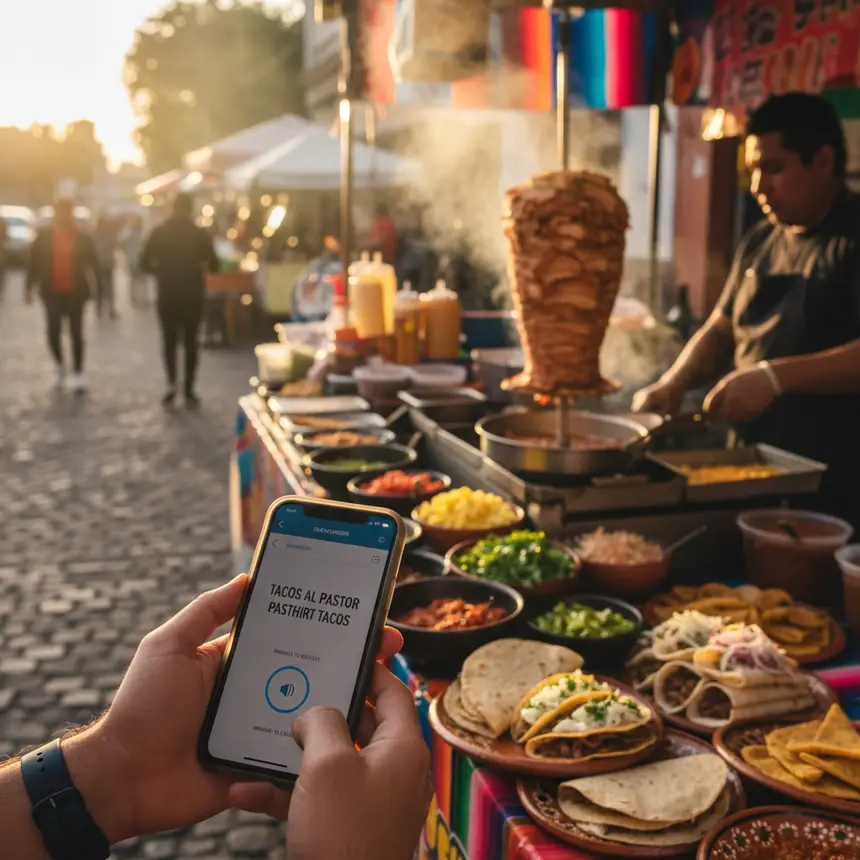
Internet access goes far beyond just using a map application; it deepens your entire Mexican travel experience. Imagine instantly searching for the name of an exotic fruit at a local market or translating a Spanish menu to discover new culinary delights. As you explore Mexico's rich history and culture, you can look up background stories of ancient ruins in real-time and immediately share breathtaking moments on social media. Moreover, connectivity allows you to adapt to unexpected situations, such as checking real-time public transport updates for sudden itinerary changes or using local ride-sharing services. The internet will be your powerful ally in uncovering Mexico's hidden gems.
H2. Mexico Internet Options: Roaming, Local SIM, and eSIM Compared
There are three primary ways to stay connected to the internet in Mexico. Compare their pros and cons to select the best option that aligns with your travel style.
1. International Roaming: This is the most straightforward method, allowing you to use your existing phone number and settings from home. You can get online immediately upon arrival without any setup. However, data rates are generally the most expensive. It's often suitable for short business trips or for those who cannot afford to miss important calls or messages from their home country.
2. Local Physical SIM Card: This involves purchasing a physical SIM card from a Mexican carrier and inserting it into your smartphone. Since you're using the local network directly, you can expect stable speeds, and it's typically more affordable than roaming. The downsides include the risk of losing your original SIM card and the inability to receive calls or texts to your home number. You can buy these in advance or at the airport upon arrival.
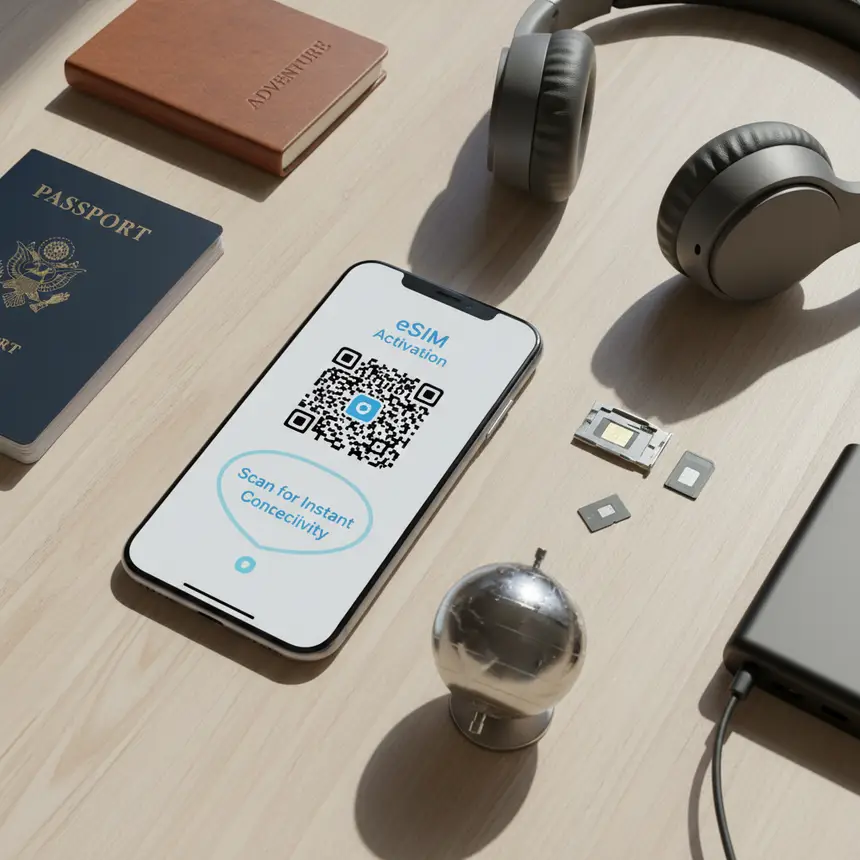
3. eSIM (Embedded SIM): A digital SIM card that has gained popularity recently, allowing for easy setup by simply scanning a QR code without needing to swap physical chips. Its biggest advantage is that you can keep your home SIM card active while using Mexican local data. This means you won't miss calls or texts to your home number while benefiting from more affordable local data rates. However, it's crucial to confirm if your smartphone model supports eSIM. Generally, newer models like iPhone XR/XS and later, or Samsung Galaxy Z Flip4/Fold4, S23/S24 series and later, are compatible. You can check eSIM compatibility by dialing *#06# on your phone; if 'EID' appears, your device supports eSIM.
Tip: It's recommended to download your eSIM profile in advance in a stable Wi-Fi environment, such as at your home or home airport. Upon arrival in Mexico, simply go to your phone settings, turn off 'Data Roaming' for your primary line, and activate the new eSIM line to connect to the local network instantly.
1. International Roaming: This is the most straightforward method, allowing you to use your existing phone number and settings from home. You can get online immediately upon arrival without any setup. However, data rates are generally the most expensive. It's often suitable for short business trips or for those who cannot afford to miss important calls or messages from their home country.
2. Local Physical SIM Card: This involves purchasing a physical SIM card from a Mexican carrier and inserting it into your smartphone. Since you're using the local network directly, you can expect stable speeds, and it's typically more affordable than roaming. The downsides include the risk of losing your original SIM card and the inability to receive calls or texts to your home number. You can buy these in advance or at the airport upon arrival.
3. eSIM (Embedded SIM): A digital SIM card that has gained popularity recently, allowing for easy setup by simply scanning a QR code without needing to swap physical chips. Its biggest advantage is that you can keep your home SIM card active while using Mexican local data. This means you won't miss calls or texts to your home number while benefiting from more affordable local data rates. However, it's crucial to confirm if your smartphone model supports eSIM. Generally, newer models like iPhone XR/XS and later, or Samsung Galaxy Z Flip4/Fold4, S23/S24 series and later, are compatible. You can check eSIM compatibility by dialing *#06# on your phone; if 'EID' appears, your device supports eSIM.
Tip: It's recommended to download your eSIM profile in advance in a stable Wi-Fi environment, such as at your home or home airport. Upon arrival in Mexico, simply go to your phone settings, turn off 'Data Roaming' for your primary line, and activate the new eSIM line to connect to the local network instantly.
H2. Choose Wisely for Your Best Mexican Adventure!
Mexico is a destination brimming with unpredictable charm. Perfect internet connectivity has become an essential element to fully immerse yourself in this charm, flexibly handle unexpected situations, and share your memories with loved ones. Consider your travel duration, data usage, budget, and smartphone model to make the wisest choice. If convenience and stability are your top priorities, even with a slightly higher cost, roaming might be best. If you seek affordable and stable local data and your home number is less critical, a local physical SIM card is a good option. For those who want convenience, affordability, and to keep their home number active, an eSIM is the optimal solution. With a smart data solution, you can capture every moment of Mexico and create the best travel experience possible!
Frequently Asked Questions
Q. If I use a local SIM in Mexico, will I lose access to calls and texts to my home number?
A. Yes, if you use a physical local SIM card, you'll need to remove your original home SIM, meaning you won't directly receive calls or texts to your home number. However, with an eSIM, you can keep your home SIM active while using local Mexican data, ensuring you don't miss any important communications.
Q. Which phone models support eSIMs for travel in Mexico?
A. Generally, newer smartphone models like iPhone XR/XS series and later, or Samsung Galaxy Z Flip4/Fold4, S23/S24 series and later, support eSIM functionality. To check if your phone is compatible, dial *#06# on your phone's dialer; if 'EID' appears, your device supports eSIM.
Q. Can I activate my eSIM once I arrive in Mexico?
A. It's recommended to download your eSIM profile in advance while you have a stable Wi-Fi connection. You can scan the QR code and set it up at your home or at your departure airport. Once you arrive in Mexico, you can simply activate the newly added eSIM line in your phone's settings to connect to the internet.
Q. Are there areas in Mexico where data connectivity might be poor?
A. While major cities like Mexico City and Cancún have good network coverage, due to Mexico's vast territory, data signals can be weak or unstable in rural areas, secluded beaches, or certain mountainous regions. It's advisable to check the network coverage maps of major carriers or research information about the specific regions you plan to visit beforehand.