Your ultimate guide to planning a perfect Swiss adventure! From unpredictable Zermatt and Jungfrau weather to smart budgeting and must-see itineraries, discover all you need for an unforgettable trip. Start planning your dream journey through the majestic Swiss Alps today.

Planning Your Dream Swiss Adventure: Common Worries and How to Tackle Them
Switzerland, with its postcard-perfect landscapes, often tops the travel wish lists of adventurers worldwide. However, the sheer beauty of the Swiss Alps, including iconic regions like Zermatt and Jungfrau, can be matched only by the complexities of planning such a trip. Many travelers find themselves overwhelmed before they even begin. Questions like "What's the best time to visit?" "How do I pack for unpredictable mountain weather?" "What will the total cost be?" and "Which itinerary will allow me to see everything without feeling rushed?" are common. These concerns can sometimes overshadow the excitement of an upcoming Swiss journey. The key to unlocking the true magic of Switzerland lies in thorough preparation and smart decision-making. This guide aims to address these planning hurdles, providing essential insights to help you craft an unforgettable Swiss experience.
Unforgettable Swiss Highlights: Exploring Jungfrau and Zermatt
Venturing into the heart of the Swiss Alps, particularly the Jungfrau and Zermatt regions, promises an experience unlike any other. Each area boasts its own unique charm, captivating visitors with breathtaking scenery and distinct activities.
- Navigating Swiss Weather and Smart Packing: Swiss weather is notoriously fickle, changing rapidly with altitude and location. While late May through late August generally offers the best conditions for outdoor activities, be prepared for sudden shifts, including rain or even snow in higher altitudes like Jungfraujoch or Gornergrat. The most effective packing strategy is layering: light shirts for towns, but a waterproof and windproof outer shell, a lightweight insulated jacket, a scarf, and sunglasses are non-negotiable for mountain excursions. Always check live webcams for current conditions before ascending.
- Budgeting Your Swiss Journey: Switzerland is known for its high cost of living, making meticulous budgeting essential. Accommodation can range from $250 to $350+ per night. Transportation costs can be managed effectively with a Swiss Travel Pass (e.g., an 8-day pass costs approximately $700, subject to exchange rates), offering unlimited travel on trains, buses, and boats. Expect to allocate $80-$120 daily for mountain excursions and activities like Jungfraujoch, Schilthorn, or First. To save on food, consider purchasing groceries from local supermarkets for picnic lunches or self-catering, rather than dining out for every meal. Compare benefits of various rail passes to find one that best suits your travel plans.
- Iconic Swiss Alpine Itineraries:
- The Jungfrau Region: Base yourself in charming Grindelwald to explore the surrounding wonders. Marvel at the unique waterfall village of Lauterbrunnen, ascend to Schilthorn for panoramic views from the Piz Gloria revolving restaurant (famous for James Bond), and get your adrenaline pumping at First with activities like the Cliff Walk and zip-lining. Crown your visit at Jungfraujoch, the "Top of Europe," where you can walk on eternal snow at 11,333 feet, explore the Ice Palace, and capture iconic photos. A serene cruise on Lake Brienz adds another layer of beauty.
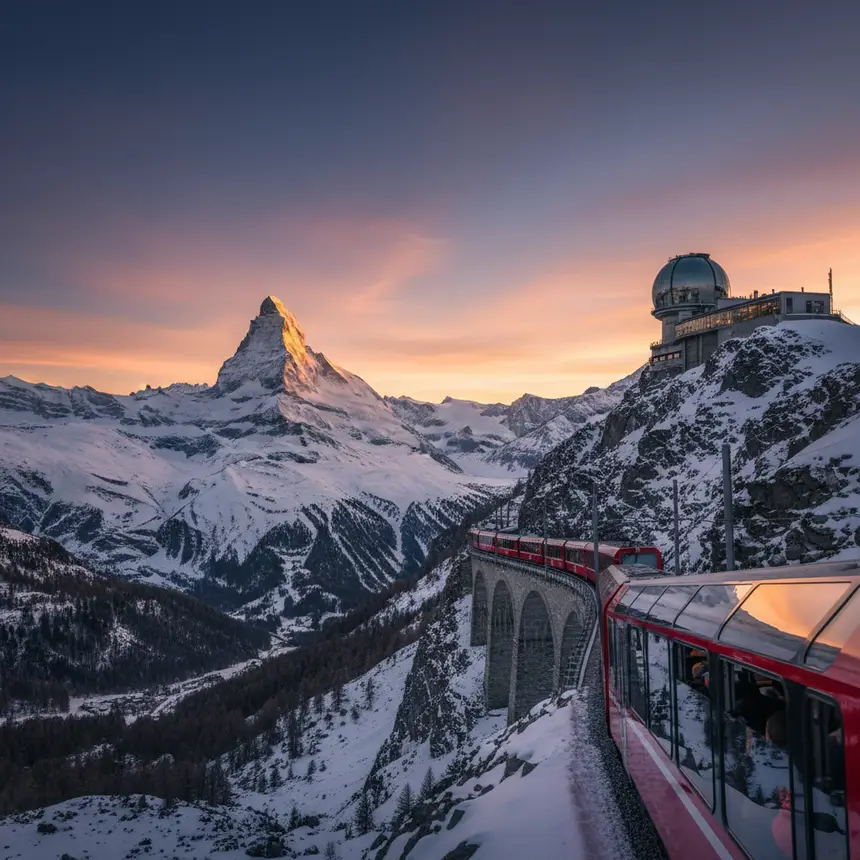
- Zermatt and the Matterhorn: Experience the tranquility of car-free Zermatt, where electric taxis and horse-drawn carriages are the norm. The majestic Matterhorn provides an ever-changing spectacle from your accommodation window. Take the Gornergrat Bahn for unparalleled views of the Matterhorn and surrounding glaciers, perhaps hiking down a section for a different perspective. The highlight for many is the Five Lakes Walk from Sunnegga, offering stunning reflections of the Matterhorn in pristine alpine lakes.
- Urban Gateways: Zurich serves as an excellent starting point, blending modern sophistication with historic charm. Enjoy a leisurely stroll along the Limmat River or shop on Bahnhofstrasse. For a contrast, conclude your trip in Geneva, a city offering a peaceful urban atmosphere, historical sites, and lakeside charm distinct from the raw wilderness of the Alps.
※ This post contains affiliate links. I may earn a commission at no extra cost to you.

Your Essential Swiss Travel Checklist and Safety Tips
A successful Swiss adventure requires not only meticulous planning but also flexibility once you're on the ground. Use this checklist and these precautions to ensure a smooth, safe, and enjoyable journey.
2. Book Transportation & Accommodation: Secure flights, rail passes (like the Swiss Travel Pass), and major hotel bookings several months in advance to get better rates and preferred locations.
3. Currency & Payment Methods: Carry a small amount of Swiss Francs (CHF) for small purchases, and ensure you have internationally accepted credit cards (Visa/Mastercard) as your primary payment method.
4. Essential Clothing & Gear: As mentioned, pack versatile layers, waterproof/windproof outerwear, sunglasses, a hat, and comfortable hiking shoes. Don't forget a portable power bank and a universal adapter.
5. Travel Insurance: Always purchase comprehensive travel insurance to cover unexpected events such as medical emergencies, trip cancellations, or lost luggage.
- Pre-Trip Preparation Checklist:
2. Book Transportation & Accommodation: Secure flights, rail passes (like the Swiss Travel Pass), and major hotel bookings several months in advance to get better rates and preferred locations.
3. Currency & Payment Methods: Carry a small amount of Swiss Francs (CHF) for small purchases, and ensure you have internationally accepted credit cards (Visa/Mastercard) as your primary payment method.
4. Essential Clothing & Gear: As mentioned, pack versatile layers, waterproof/windproof outerwear, sunglasses, a hat, and comfortable hiking shoes. Don't forget a portable power bank and a universal adapter.
5. Travel Insurance: Always purchase comprehensive travel insurance to cover unexpected events such as medical emergencies, trip cancellations, or lost luggage.
- Important On-Location Considerations:
- Be Weather-Aware: Mountain weather is highly unpredictable. Check webcams and local forecasts daily and be prepared to adjust your plans. Have alternative indoor activities ready if the weather turns unfavorable.
- Altitude Sickness Prevention: Symptoms of altitude sickness can occur above 6,500 feet (2,000m). Stay hydrated, move at a relaxed pace, avoid excessive alcohol, and consider bringing basic over-the-counter remedies. If symptoms worsen, descend immediately.
- Respect Local Culture: Switzerland prides itself on cleanliness and order. Adhere to public transportation rules, dispose of waste properly, and actively contribute to preserving the natural environment.
- Personal Belongings Security: While Switzerland is very safe, always be mindful of your personal belongings in crowded tourist areas to prevent petty theft.
- Stay Hydrated on Trails: Carry sufficient water when hiking. Many mountain trails also feature fresh, potable spring water sources where you can refill your bottles.
Frequently Asked Questions
Q. What's the best time to visit Switzerland?
A. While Switzerland offers unique beauty in every season, the ideal time for hiking and outdoor activities is generally from late May to late August. During these summer months, you can enjoy clear skies, lush green pastures, and stunning views of snow-capped peaks.
Q. Should I buy a Swiss Travel Pass?
A. The Swiss Travel Pass offers unlimited travel on trains, buses, and boats throughout Switzerland, as well as discounts on mountain railways and cable cars, and free entry to many museums. If you plan to travel between multiple cities and mountain regions, it's often a very cost-effective option. Evaluate your planned itinerary to see if it makes financial sense for your trip.
Q. How can I prevent altitude sickness?
A. Altitude sickness can affect individuals at elevations above 6,500 feet (2,000 meters). To prevent it, stay well-hydrated, ascend gradually, avoid strenuous activity upon arrival at high altitudes, and limit alcohol consumption. If you experience severe symptoms, descend to a lower elevation immediately. Consulting your doctor about preventive medication like Acetazolamide is also an option.
Q. What's a realistic budget for a trip to Switzerland?
A. Travel costs in Switzerland vary significantly based on your travel style and duration. For an 8-day trip, considering accommodation ($250-350+ per night), transportation (e.g., Swiss Travel Pass around $700), food ($80+ per day), and activities ($80-120 per day), a realistic budget would typically start from around $3,500-$4,000 per person, excluding international flights.