Your ultimate guide to mobile data in Penang! Compare carrier roaming, physical SIM cards, and eSIMs to find the smartest way to stay connected. Get practical tips and budget considerations for a seamless internet experience in Penang, ensuring you enjoy every moment without interruption.

Ready for Penang's Charms? Is Your Phone Ready to Connect?
Penang, a UNESCO World Heritage site, captivates travelers with its vibrant streets, iconic street art, and a culinary scene that’s simply legendary. But to fully immerse yourself in this incredible destination, one crucial item is often overlooked: reliable mobile data. Imagine getting lost in a charming alley, needing Google Maps, or hailing a ride-share service without a connection. And of course, you’ll want to share those beautiful moments in real-time! So, how do you ensure you stay connected throughout your Penang adventure? We’ll dive deep into the pros and cons of traditional carrier roaming, local physical SIM cards, and the increasingly popular eSIM technology to help you choose the best option for a truly enriched Penang experience.

Penang: A Tapestry of Culture and Culinary Delights Beyond a Simple Getaway
Nestled on Malaysia's northwestern coast, Penang offers far more than just a typical vacation spot. George Town, its capital, is a living museum where history blends with modernity, boasting unique street art and preserved colonial architecture. The city's atmosphere is a rich fusion of Malay, Chinese, and Indian influences. Renowned as a 'food paradise,' Penang tantalizes taste buds with everything from hawker stall favorites like Laksa and Char Kway Teow to upscale dining experiences. The sweeping views from Penang Hill and the laid-back vibe of Batu Ferringhi beach provide perfect escapes from urban bustle. To fully capture, research, book, and share these experiences, a stable internet connection is indispensable. Your smartphone transforms from a mere communication device into your ultimate travel companion, especially when you're out exploring beyond your accommodation's Wi-Fi.
※ This post contains affiliate links. I may earn a commission at no extra cost to you.

Finding Your Perfect Mobile Connection: An In-Depth Look at Roaming, SIM, and eSIM
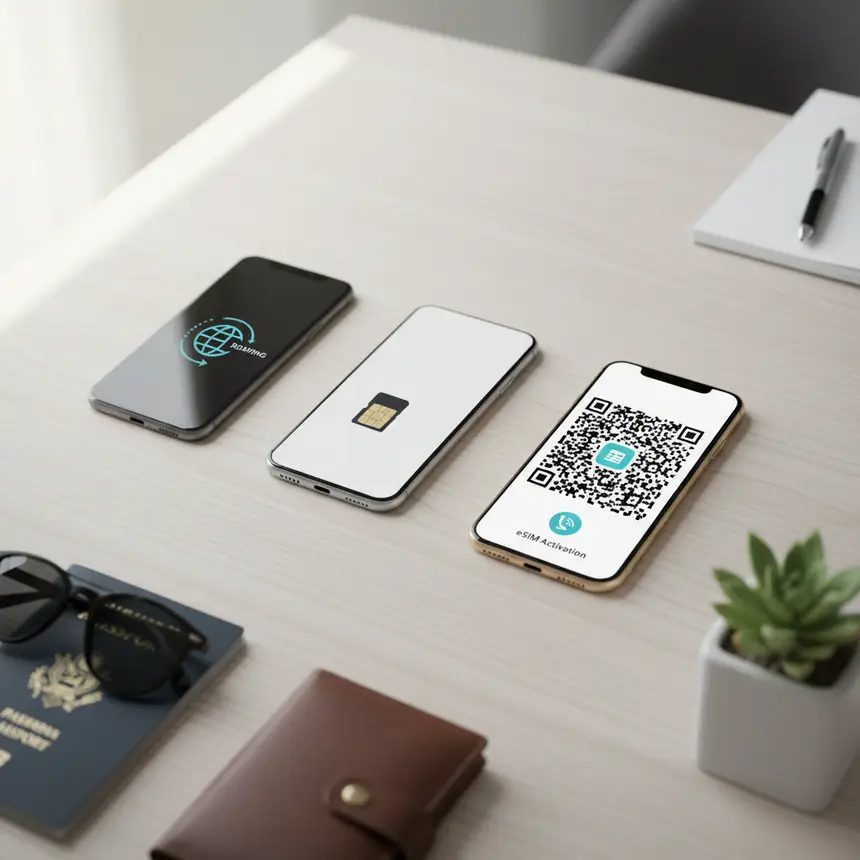
To ensure your smartphone is a reliable travel tool in Penang, let’s thoroughly examine the three primary ways to get online: carrier roaming, local physical SIM cards, and eSIMs. Each method comes with its own set of advantages and disadvantages, making the best choice dependent on your travel style.
1. Carrier Roaming: Familiarity and Convenience at a Premium Price
Using your home mobile carrier's roaming service is arguably the easiest option. You simply land, turn on your phone, and you're connected without any setup fuss. The ability to receive calls and texts to your regular number is a significant plus. However, this convenience comes at the highest cost. It’s best suited for short trips or travelers who prioritize ease above all else, regardless of budget.
2. Local Physical SIM Card: Budget-Friendly, but with Practical Hurdles
Purchasing a local physical SIM card upon arrival is generally the most economical choice, and it typically offers stable data speeds as you're using a local network directly. The main drawback is the need to swap out your existing SIM card for the local one. This process carries the risk of misplacing your tiny, important home SIM card. Crucially, once you switch SIMs, you won't be able to receive important communications (like bank alerts or authentication codes) to your original number, which can be a significant inconvenience.
3. eSIM: The Modern Solution for Smart, Convenient Connectivity
eSIMs are gaining immense popularity among travelers. This technology allows you to download a local data profile directly onto a digital chip embedded in your smartphone, eliminating the need for a physical card swap. Its standout feature is the ability to keep your home SIM active for calls and texts while using the local network for data at a much lower cost. Plus, you often receive your eSIM profile as a QR code instantly after purchase, so even last-minute preparations at the airport are feasible. The only caveat is that not all smartphones are eSIM-compatible, so you must verify your device's compatibility before your trip.
1. Carrier Roaming: Familiarity and Convenience at a Premium Price
Using your home mobile carrier's roaming service is arguably the easiest option. You simply land, turn on your phone, and you're connected without any setup fuss. The ability to receive calls and texts to your regular number is a significant plus. However, this convenience comes at the highest cost. It’s best suited for short trips or travelers who prioritize ease above all else, regardless of budget.
2. Local Physical SIM Card: Budget-Friendly, but with Practical Hurdles
Purchasing a local physical SIM card upon arrival is generally the most economical choice, and it typically offers stable data speeds as you're using a local network directly. The main drawback is the need to swap out your existing SIM card for the local one. This process carries the risk of misplacing your tiny, important home SIM card. Crucially, once you switch SIMs, you won't be able to receive important communications (like bank alerts or authentication codes) to your original number, which can be a significant inconvenience.
3. eSIM: The Modern Solution for Smart, Convenient Connectivity
eSIMs are gaining immense popularity among travelers. This technology allows you to download a local data profile directly onto a digital chip embedded in your smartphone, eliminating the need for a physical card swap. Its standout feature is the ability to keep your home SIM active for calls and texts while using the local network for data at a much lower cost. Plus, you often receive your eSIM profile as a QR code instantly after purchase, so even last-minute preparations at the airport are feasible. The only caveat is that not all smartphones are eSIM-compatible, so you must verify your device's compatibility before your trip.
Practical Tips for Penang Travelers: Optimizing Mobile Data and Budgeting
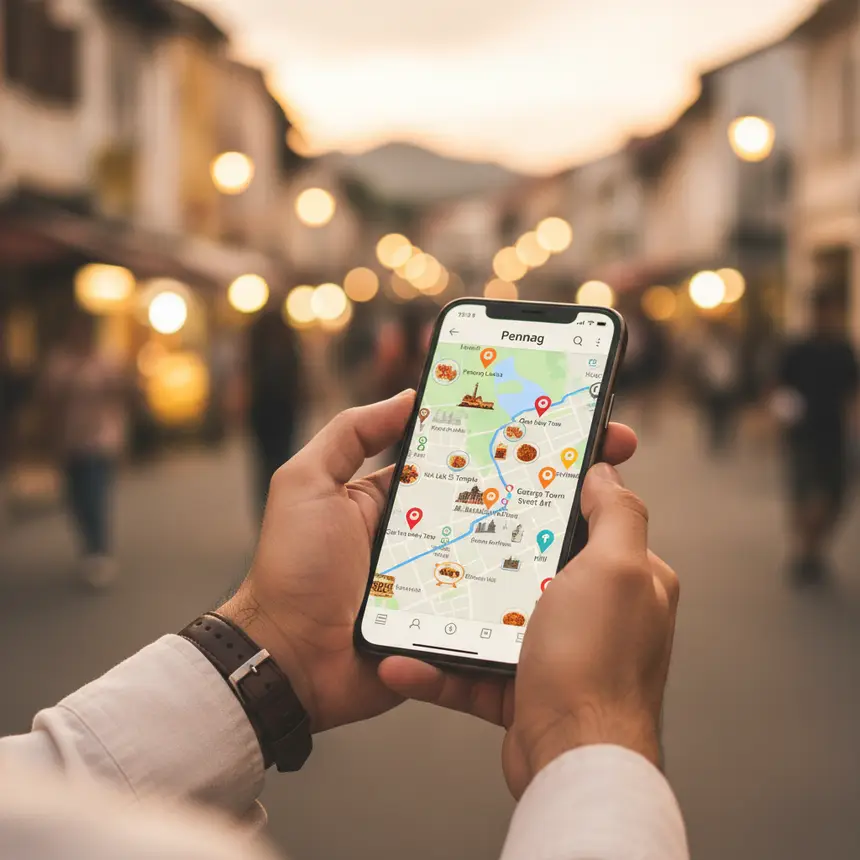
Choosing the right mobile data solution for your Penang trip depends heavily on your travel goals, duration, and personal data usage habits. Consider these tips to make an informed decision:
- Estimate Your Data Needs: Think about your usual smartphone usage. If you mainly use Google Maps, ride-hailing apps, and occasional social media, 500MB to 1GB per day might suffice. For heavy users who stream videos or frequently upload high-resolution content, 1GB or 2GB daily is recommended. Most plans offer throttled unlimited data after your high-speed allowance runs out, ensuring basic connectivity.
- Check Device Compatibility: If you’re leaning towards an eSIM, it’s vital to confirm your smartphone model supports it. (e.g., iPhone XR and newer, Samsung Galaxy S20/Z Flip 4 and newer).
- Cost-Effectiveness: For longer trips, local SIMs or eSIMs are significantly more economical than roaming. Purchasing online before you travel often provides better deals and more plan options than buying locally. Keep an eye out for promotional offers to save even more.
- Plan for Emergencies: Regardless of your chosen method, it’s wise to have alternative ways to contact family or friends in an emergency, such as Wi-Fi calling or international calling apps.

Experience Penang Worry-Free with Seamless Connectivity
Penang is not just a place to visit; it's an experience to be savored – its culture explored, its flavors discovered, and its moments cherished. At the heart of enjoying all this is the peace of mind that comes with being constantly connected. Whether it’s for navigating unexpected situations, finding your way, traveling like a local, or sharing precious memories in real-time, mobile data connectivity has become a necessity, not a luxury. Between the simplicity of carrier roaming, the affordability of a physical SIM, and the smart convenience of an eSIM, choose the option that best fits your travel style to make every moment in Penang count. With a perfectly prepared smartphone in hand, you'll be able to delve deeper into Penang's stunning landscapes, delicious cuisine, and warm hospitality. Don't hesitate—plan your optimal connectivity now and leap into the magical experiences Penang has waiting for you!
Frequently Asked Questions
Q. What's the most recommended mobile data option for a trip to Penang?
A. Overall, eSIM is highly recommended for its efficiency and convenience. It allows you to keep your home phone number active while using affordable local data, and it eliminates the hassle and risk of losing a physical SIM card. Just ensure your smartphone supports eSIM technology before you travel.
Q. Will I receive texts to my home number if I use a local physical SIM card?
A. No, once you swap your physical SIM, your home SIM card becomes inactive, meaning you won't receive calls or texts to your home number. If you need to receive important notifications like bank alerts or verification codes, consider using an eSIM or carrying a second phone with your home SIM.
Q. How much daily data is usually enough for a trip to Penang?
A. For typical usage like navigation, social media, and messaging, 500MB to 1GB per day is usually sufficient. However, if you plan to stream videos, upload many photos/videos, or use tethering, opting for 2GB or more per day will provide a smoother experience. Utilizing hotel Wi-Fi can also significantly reduce your data consumption.
Q. How can I check if my smartphone supports eSIM?
A. Generally, iPhones XR and newer models, and Samsung Galaxy S20/Z Flip 4 and newer models support eSIM. To confirm precisely, check your smartphone's settings under 'Mobile Network' or 'Cellular,' or consult your device manufacturer's website for your specific model's specifications.
Q. What should I do if my internet connection isn't working in Penang?
A. First, try toggling airplane mode on and off, or restarting your smartphone. If the issue persists, contact the customer service of your eSIM/SIM provider or your home carrier (for roaming) for assistance. It's a good idea to save their contact information, including international support numbers, before you travel.