Explore the enchanting blend of history, culture, and gastronomy on an unforgettable journey through Spain and Portugal. Plan your perfect Iberian adventure today!

The Irresistible Allure of the Iberian Peninsula: Spain and Portugal
Nestled on the southwestern edge of Europe, Spain and Portugal beckon travelers with their distinct cultures and rich histories. Spain ignites the senses with its passionate flamenco, awe-inspiring Gaudi architecture, and the delectable flavors of Mediterranean tapas. It's a land of vibrant energy and artistic marvels. Portugal, on the other hand, whispers tales of maritime exploration and discovery, offering a romantic ambiance through its melancholic Fado music, charming cobblestone alleys, and pastel-hued cityscapes. While each nation possesses its unique appeal, combining them into a single journey creates a synergistic experience that is far greater than the sum of its parts. Their generally pleasant climate and relatively affordable prices compared to other Western European destinations make the Iberian Peninsula an even more attractive prospect. For those dreaming of a European adventure that encompasses deep history, diverse culinary delights, and breathtaking natural beauty, Spain and Portugal present an unparalleled choice.
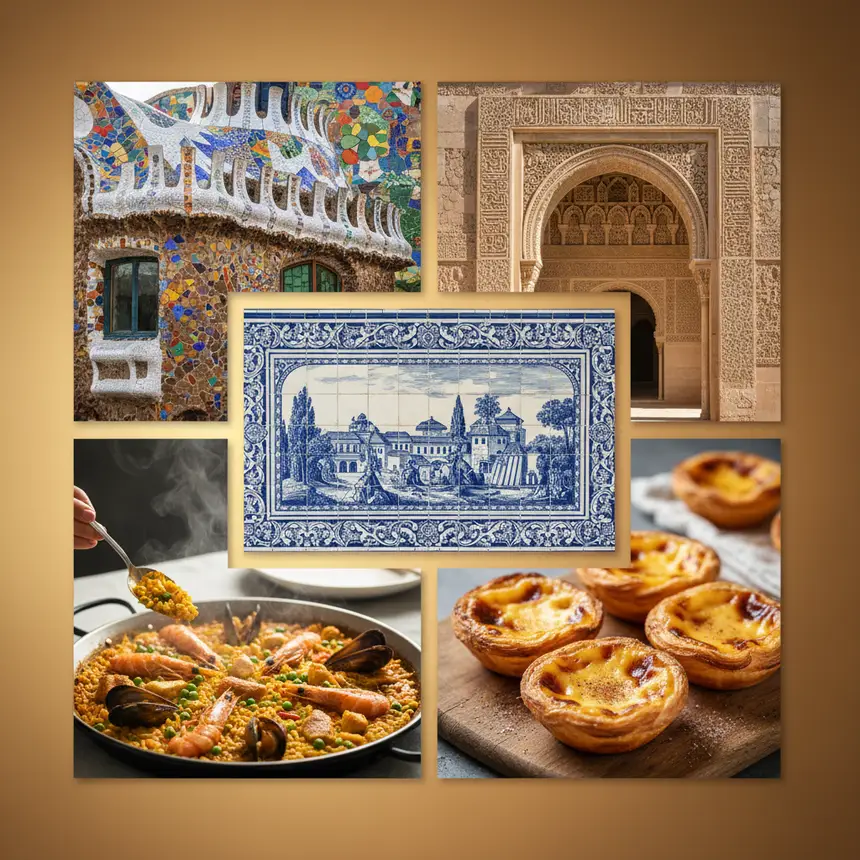
Crafting Your Iberian Adventure: Must-See Cities and Experiences
To truly immerse yourself in the Iberian experience, a well-planned itinerary connecting key cities is essential. A popular route often begins in Barcelona, moves through southern Spain to Granada and Seville, and then crosses into Portugal to Lisbon and Porto.
- Your Spanish Odyssey: Art, History, and Culinary Delights
- Barcelona: This city is a living museum of architect Antoni Gaudí's masterpieces. The Sagrada Família, steadily progressing towards completion, stands as one of the tallest churches in the world at 172.5 meters, while Park Güell's whimsical designs captivate every visitor. Given their immense popularity, securing tickets online for both at least a month or two in advance is highly recommended.
- Granada: The Alhambra Palace, built by Moorish rulers approximately 700 years ago, is a breathtaking testament to Islamic art and architecture. Its intricate arabesques, serene gardens, and sophisticated water systems take about four hours to explore fully. Don't miss the magical night views from the Mirador de San Nicolás, offering a panoramic vista of the illuminated palace.
- Seville: A city where Islamic and Catholic cultures beautifully intertwine. The Seville Cathedral, built on the site of a mosque, with its Giralda bell tower, symbolizes this rich heritage. Exploring sites linked to the Age of Discovery provides a deeper understanding of Spain's pivotal historical role.
- Culinary Notes: Indulging in a variety of tapas is a must, and savoring paella, with its regional variations, is an unmissable culinary pleasure.
- Your Portuguese Sojourn: Romance and Maritime Lore
- Lisbon: The iconic yellow trams, especially Tram 28, are a symbol of Lisbon, perfect for navigating the narrow streets of the old town and soaking in the local atmosphere. A visit to the Belém district is essential to trace the Age of Discovery through the Belém Tower and Jerónimos Monastery, always concluded with a warm, freshly baked pastel de nata (custard tart).
- Porto: This city captivates with its colorful buildings lining the Douro River and the sweeping views of red-tiled roofs from its hilly vantage points. The Dom Luís I Bridge, designed by a disciple of Gustave Eiffel, is a prominent landmark. The São Bento Railway Station and various churches adorned with Portugal's traditional blue 'azulejo' tiles are also stunning. Be sure to try the 'Francesinha,' a hearty sandwich filled with ham, sausage, and steak, smothered in a rich beer sauce. A short hour-long train ride from Porto takes you to Aveiro, often called the 'Venice of Portugal,' where traditional moliceiro boats glide along picturesque canals.
- Inter-City Travel Tips: For travel between cities in both Spain and Portugal, trains are generally the most efficient and comfortable option. Booking train tickets in advance often secures better prices and ensures availability for your preferred timings. For instance, a high-speed train from Madrid to Barcelona takes about 2.5 hours. Flights can also be considered for longer distances.
※ This post contains affiliate links. I may earn a commission at no extra cost to you.

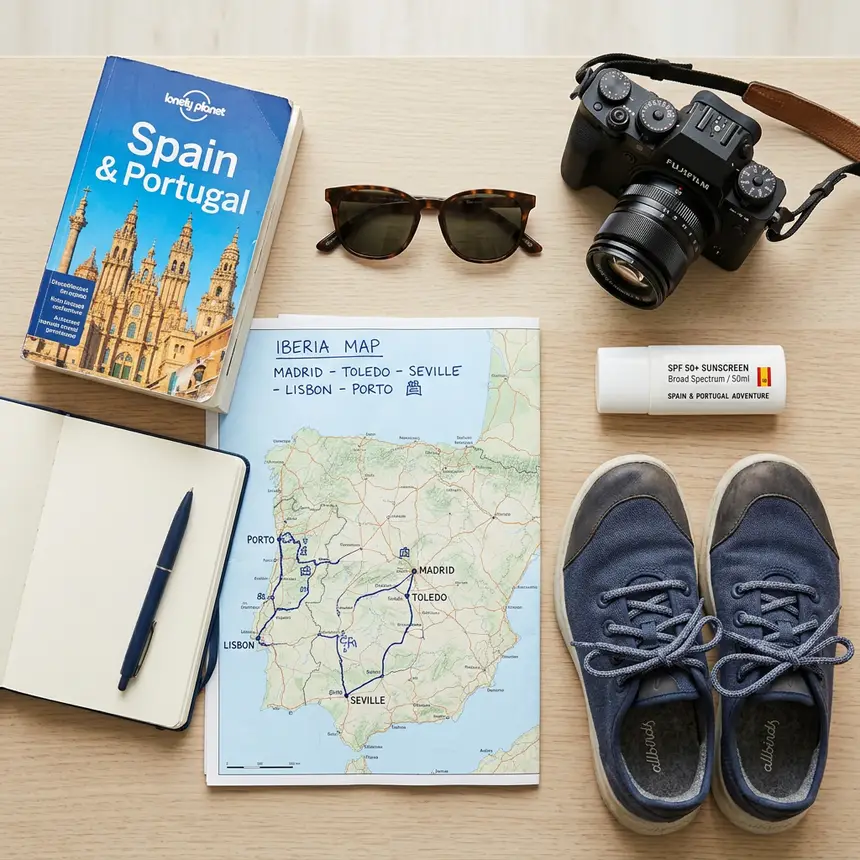
Essential Tips for a Seamless Iberian Journey and Who It's For
A trip to Spain and Portugal truly shines when accompanied by thorough preparation. Here are some key tips for a successful journey and the types of travelers who will fall in love with the Iberian Peninsula.
- Travel Preparation and Planning:
- The Importance of Advance Booking: Not just flights and accommodations, but popular attractions like Sagrada Família, Park Güell, and the Alhambra should be booked online two to three months in advance. Train tickets also tend to be cheaper when purchased early.
- Packing Essentials: Comfortable walking shoes are a must due to extensive walking. Pack layers to adapt to varying temperatures throughout the day. Sunscreen, sunglasses, and a hat are advisable as the sun can be intense.
- Cultural Awareness: In Spain, dinner is typically served late, and some regions still observe 'siesta' (afternoon rest). Learning basic Spanish or Portuguese greetings can enhance interactions with locals and make your trip more enjoyable.
- Best Time to Visit:
- Spring (April-May) and Fall (September-October) offer the most pleasant weather for sightseeing. Summers are ideal for beach holidays but can be very hot inland and crowded. Winters are generally mild but with a higher chance of rain.
- Recommended for These Travelers:
- History and Culture Enthusiasts: You'll be captivated by the profound history spanning Roman times, Islamic rule, and the Age of Discovery.
- Culinary Explorers: Delight in a diverse array of local dishes, from tapas and paella to Portuguese seafood and egg tarts.
- Architecture and Art Aficionados: Marvel at Gaudi's unique structures, the intricate beauty of Islamic architecture, and the charm of azulejo tiles.
- Romantics: The sunset views from Lisbon's hills and the vibrant squares of Spain create unforgettable memories.
- Budget-Conscious European Travelers: Experience a rich cultural journey at a relatively lower cost compared to other Western European nations.
Frequently Asked Questions
Q. When is the best time to visit Spain and Portugal?
A. The ideal times to visit Spain and Portugal are generally during spring (April-May) and fall (September-October). The weather is mild and pleasant for sightseeing and outdoor activities, and there are fewer crowds compared to the peak summer season.
Q. What's the most efficient way to travel between cities?
A. Both countries have excellent train networks, making train travel highly efficient for inter-city journeys. Spain's high-speed AVE trains connect major cities quickly, and Portugal also offers convenient rail links. Flights can be considered for longer distances or to save time.
Q. Are there any attractions that require advance booking?
A. Yes, highly popular sites like Barcelona's Sagrada Família, Park Güell, the Alhambra in Granada, and Lisbon's Jerónimos Monastery often have long queues. It's strongly recommended to book your tickets online at least 1-2 months in advance to secure your preferred time slot and avoid waiting.
Q. What are some must-try local foods in Spain and Portugal?
A. In Spain, you should definitely try various tapas, regional paella dishes, and sweet churros. In Portugal, the iconic pastel de nata (custard tart), Porto's hearty Francesinha sandwich, and fresh seafood dishes are essential culinary experiences.
Q. If I can only visit one city in Portugal, Lisbon or Porto, which would you recommend?
A. Lisbon, as the capital, offers a broader range of historical sites, museums, and a more bustling urban atmosphere. Porto, on the other hand, charms visitors with its beautiful riverside scenery, port wine culture, and quaint, historic feel. Your choice depends on your interests, but for a first-time visitor looking to experience diverse facets of Portugal, Lisbon might be a slightly more comprehensive introduction.