Dream of seeing the Himalayas but worried about intense trekking? Nepal's Dhampus trek offers breathtaking Annapurna panoramas for beginners. Discover serene villages, vibrant culture, and practical tips for an unforgettable Nepalese adventure.

Breathe the Himalayas: Where Dreams Become Reality
Picture this: you’re strolling along a gentle path, the air in Pokhara crisp and invigorating. Suddenly, you look up, and an immense panorama of snow-capped peaks unfolds before your eyes. Jagged summits pierce the sapphire sky, with clouds drifting like ethereal brushstrokes across a masterpiece. This isn't just a privilege for seasoned mountaineers; Nepal's Dhampus trek offers an extraordinary journey for anyone, regardless of trekking experience, to immerse themselves in the sheer wonder of the Himalayas. Without strenuous training or specialized gear, facing the mystical beauty of Machhapuchhre and the grandeur of the Annapurna range will etch an unforgettable emotion deep within your soul. Escape the urban rush and find true peace in nature's embrace.
Detailed Dhampus Trek Itinerary: Your Himalayan Introduction
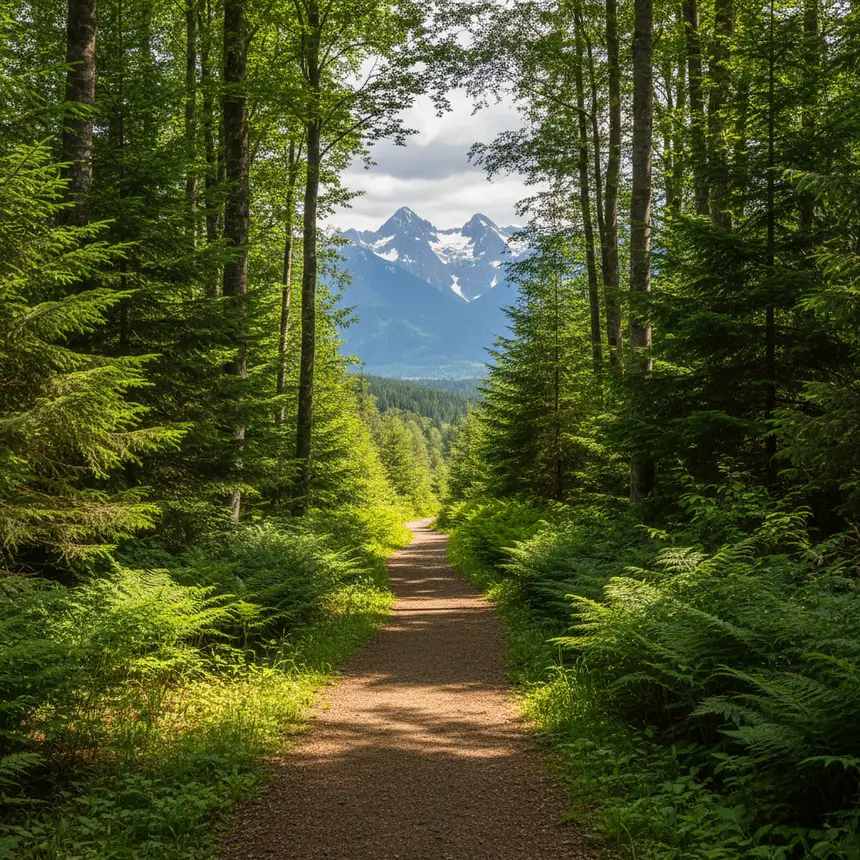
Dhampus is a serene Gurung village situated at an elevation of 5,413 feet (1,650m), approximately an hour's drive from Pokhara. It serves as an ideal starting point for travelers keen to experience the Himalayas without an overly demanding trek. Typically, a 3-day, 2-night itinerary allows ample time to explore the stunning natural beauty and local village life.
To make your journey even more enjoyable and worry-free, consider hiring a local porter (Sherpa). Typically, one porter is assigned per two trekkers and can carry a duffel bag weighing around 22 pounds (10kg). This allows you to carry just a light daypack and fully soak in the magnificent scenery.
- Day 1: Kande (5,807ft/1,770m) to Australian Camp (6,890ft/2,100m). This leg covers about 1.5 to 2 miles and takes 1 to 1.5 hours. The initial 30-40 minutes involve climbing stone steps, which can be the most challenging part of the entire trek. However, after traversing lush forest trails, arriving at Australian Camp reveals a breathtaking panoramic view of Annapurna and Machhapuchhre, instantly washing away any fatigue.
- Day 2: Australian Camp to Dhampus Village (5,413ft/1,650m). A gentle downhill walk covering about 2.5 to 3 miles, taking 1.5 to 2 hours. Along this path, you'll glimpse the simple daily life of the Gurung people and encounter free-roaming cows, goats, and mules, adding to the unique experience. Dhampus itself is known as a tranquil retreat, popular for yoga and meditation.
- Day 3: Dhampus Village to Astam Village (4,429ft/1,350m). This route, approximately 4.5 to 5 miles long and taking 3 to 4 hours, is less frequented by typical tourists. It offers a deeper immersion into the authentic beauty of traditional Nepalese rural life. Astam is particularly renowned for its spectacular Himalayan sunrise and sunset views; the golden glow cast upon the snow-capped peaks in the morning will be a lasting memory.
To make your journey even more enjoyable and worry-free, consider hiring a local porter (Sherpa). Typically, one porter is assigned per two trekkers and can carry a duffel bag weighing around 22 pounds (10kg). This allows you to carry just a light daypack and fully soak in the magnificent scenery.
※ This post contains affiliate links. I may earn a commission at no extra cost to you.

Nepal's Culture and Landscapes Beneath the Himalayas
After the exhilarating experience of the Dhampus trek, it’s time to explore Nepal's other captivating cities.
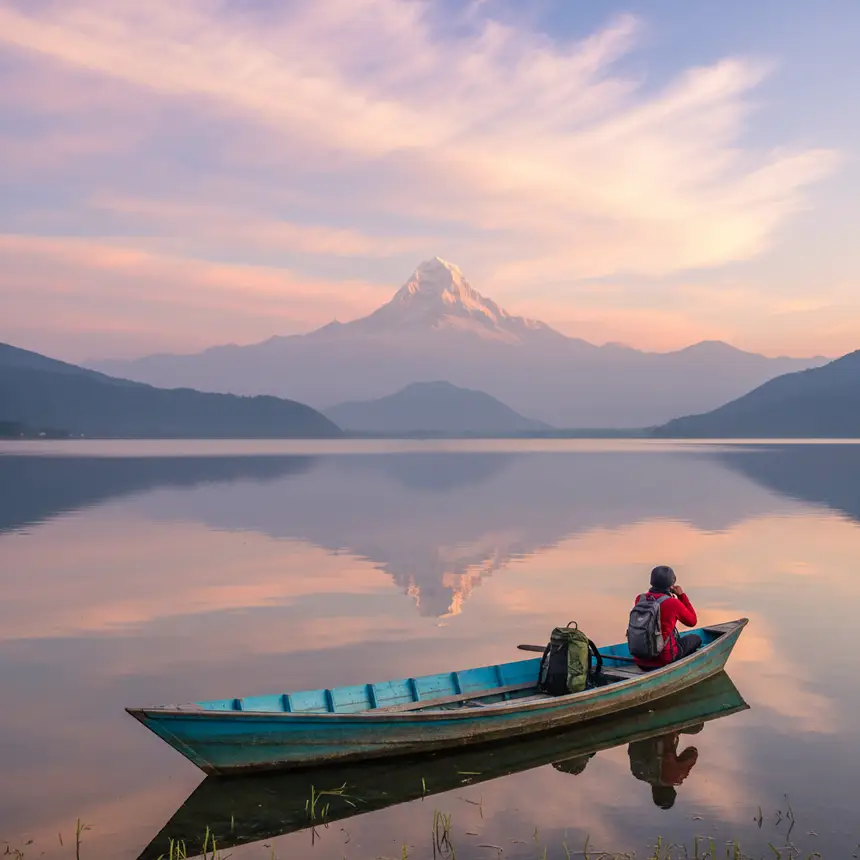
- Pokhara: Known as the 'City of Lakes,' Pokhara is famous for the stunning reflections of Machhapuchhre and the Annapurna range on Phewa Lake. Enjoy a boat ride on the lake or take an early morning trip to Sarangkot viewpoint (5,250ft/1,600m) for an unforgettable Himalayan sunrise. Here, you can also visit the International Mountain Museum to delve into the history and culture of Himalayan mountaineering, or explore the mysterious underground waterfall at Gupteshwor Mahadev Cave.
- Kathmandu: The capital, Kathmandu, is a vibrant hub teeming with UNESCO World Heritage Sites, embodying Nepal's rich history and spiritual atmosphere. Witness life and death rituals at Pashupatinath Temple, a sacred Hindu site, or find a moment of contemplation overlooking the Kathmandu Valley from the Swayambhunath stupa (Monkey Temple). The ancient temples in Bhaktapur Durbar Square, remnants of the 12th-century Malla kingdom, offer a profound sense of history, while a visit to Kumari Ghar, the residence of the Living Goddess Kumari, provides a unique cultural experience.
- Nagarkot: Located about 20 miles (32km) east of Kathmandu at an elevation of 7,200ft (2,195m), Nagarkot is a perfect spot for viewing the Himalayan sunrise. The grand spectacle of the entire Himalayan range, stretching from Mount Everest to Annapurna, bathed in golden light at dawn, is a sight straight out of a painting.
Practical Nepal Travel Tips: Transport, Timing, and Packing
To ensure a smooth and enjoyable trip to Nepal, here’s some essential practical information:
- Best Time to Visit: The autumn season, from late September to November, is widely considered the best time to visit Nepal. The monsoon rains have ended, leading to exceptionally clear skies, offering pristine views of the majestic Himalayas. Temperatures are also pleasant, making it ideal for trekking. Spring (March to May) is also a good time, but autumn provides the clearest views. Be aware that autumn is peak season, so booking flights and accommodations well in advance is highly recommended.
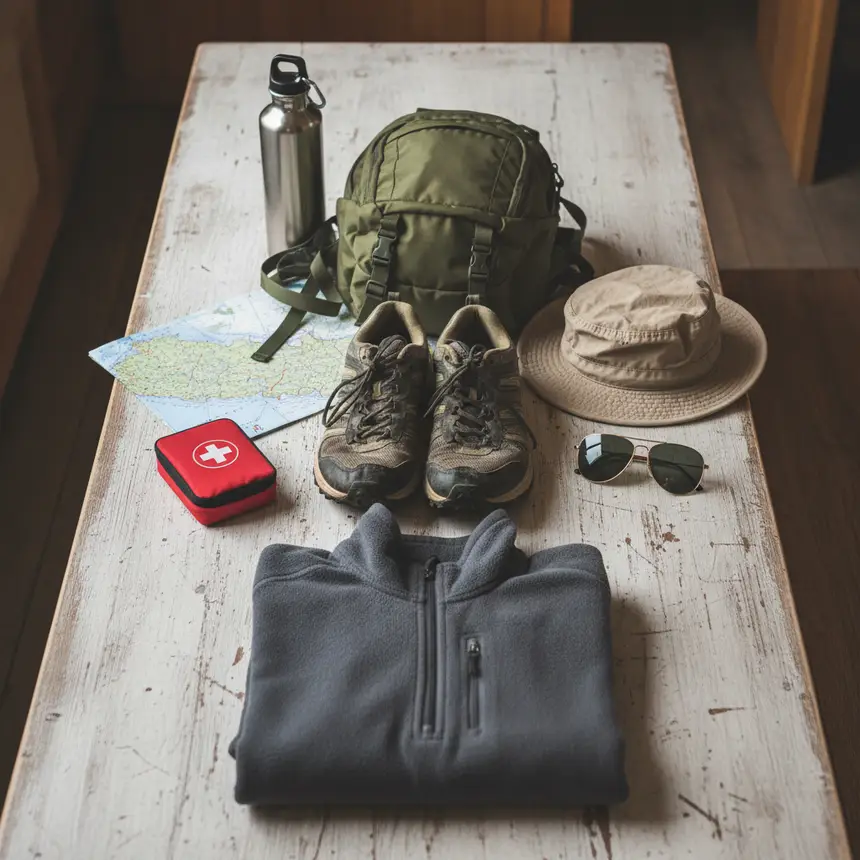
- What to Pack: For the Dhampus trek, specialized hiking boots aren't strictly necessary, but it's advisable to bring sturdy athletic shoes or light trekking shoes with good ankle support and non-slip soles for comfort and safety. Pack a small daypack for personal items, snacks, and extra layers of clothing, as evenings and mornings can be cool. Layers are key. Sunscreen, a hat, and sunglasses are also essential.
- Transportation: After arriving in Kathmandu on your international flight, it's highly recommended to take a domestic flight to Pokhara instead of enduring a long bus journey. The flight takes approximately 25 minutes, saving you time and offering a more comfortable transfer. Budget for local expenses such as the visa-on-arrival fee (around $30 USD) and tips for your guides and porters.
The Himalayas Await: Unforgettable Memories in Nepal
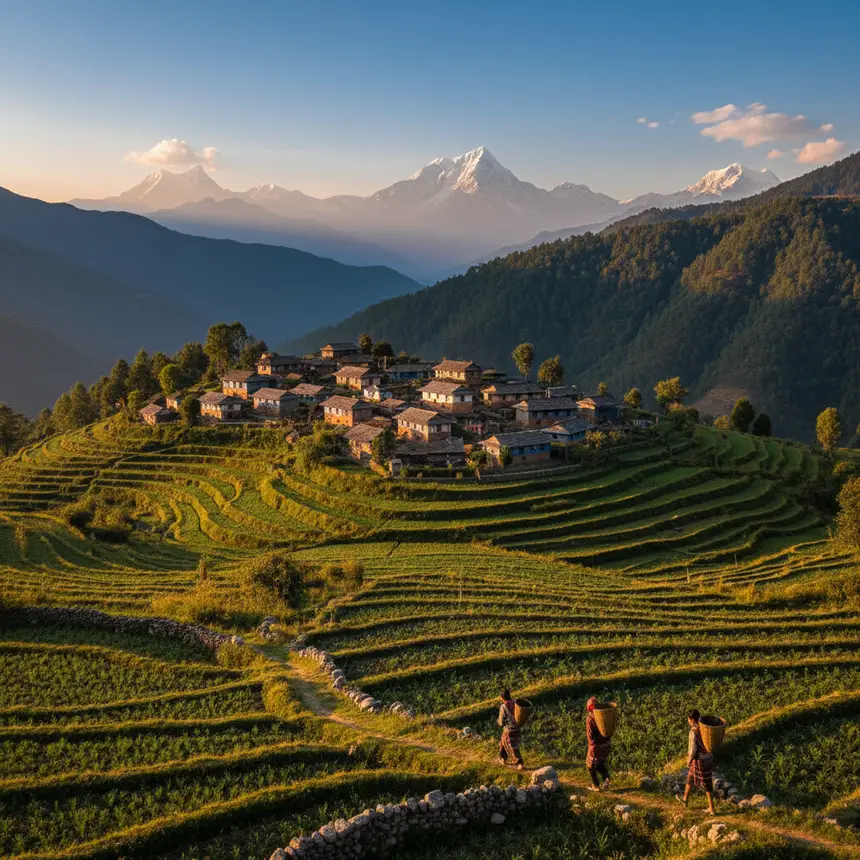
The breathtaking grandeur of the Himalayas, with its rugged peaks seemingly touching the sky, has long been a dream for many. However, Nepal's Dhampus trek offers a unique opportunity for anyone to turn this dream into a tangible reality. Experience the joy of trekking with light steps, forget the stresses of daily life amidst majestic nature, and reconnect with your true self. Nepal, with its humble yet warm local smiles and rich cultural tapestry, is more than just a destination; it promises to bring profound inspiration and transformation into your life. Don't hesitate any longer; summon the courage to embark on a journey into the heart of the Himalayas. Lifelong memories and profound emotions await you. Start planning your Nepalese adventure today.
Frequently Asked Questions
Q. Are specialized hiking boots essential for the Dhampus trek?
A. For the Dhampus trek, specialized hiking boots are not strictly necessary as the trails are generally well-maintained and relatively gentle. However, sturdy athletic shoes or light trekking shoes with good ankle support and non-slip soles are recommended for comfort and safety.
Q. Is the Dhampus trek suitable for seniors or families with children?
A. Yes, the Dhampus trek involves moderate walking for about 2-4 hours a day, making it suitable for a wide range of ages. If in good health, seniors and families with children can certainly enjoy this trek. It's important to plan according to individual fitness levels.
Q. What is the best time of year for Himalayan trekking in Nepal?
A. The optimal time for Himalayan trekking in Nepal is during the autumn season, from late September to November. The monsoon rains have passed, resulting in clear skies, excellent visibility of the mountains, and pleasant temperatures, offering ideal trekking conditions. Spring (March to May) is also a good option, though visibility might not be as consistently clear as in autumn.
Q. How does the Dhampus trek compare to the Annapurna Base Camp (ABC) trek?
A. The Dhampus trek is an entry-level trek reaching an altitude of 6,890ft (2,100m) with daily walking of 2-4 hours. In contrast, the Annapurna Base Camp (ABC) trek is a more challenging, intermediate-to-advanced trek reaching 13,550ft (4,130m) and typically involves 5-7 hours of trekking per day over about 9 days. Dhampus is recommended for those new to Himalayan trekking.
Q. What's the most efficient way to travel from Kathmandu to Pokhara?
A. The most efficient way to travel from Kathmandu to Pokhara is by domestic flight. The flight takes approximately 25 minutes, significantly saving time and offering a more comfortable journey compared to long bus rides. Booking your flight in advance is advisable.