Planning a Kathmandu travel adventure? Dive into this guide to discover the rich history, vibrant culture, and hidden gems of Nepal's capital, ensuring an unforgettable journey through a city like no other.

Kathmandu: A Symphony of Senses and Stories Awaiting Your Discovery
Have you ever dreamed of a city where ancient chants echo through narrow alleys, where the aroma of spices dances in the air, and magnificent temples stand as silent witnesses to centuries of history? Kathmandu, the bustling capital of Nepal, is more than just a destination; it's an immersive cultural journey that awakens all your senses. As the gateway to the majestic Himalayas and a city steeped in millennia of heritage, it offers an unpredictable charm that leaves a profound mark on every visitor. It’s a place where tranquility hides amidst the chaos, and tradition gracefully intertwines with modernity. What unique inspirations will your Kathmandu travel experience bring to your life?
Nepal's Pulsating Heart: Where Ancient Kingdoms Breathe Life into Modernity
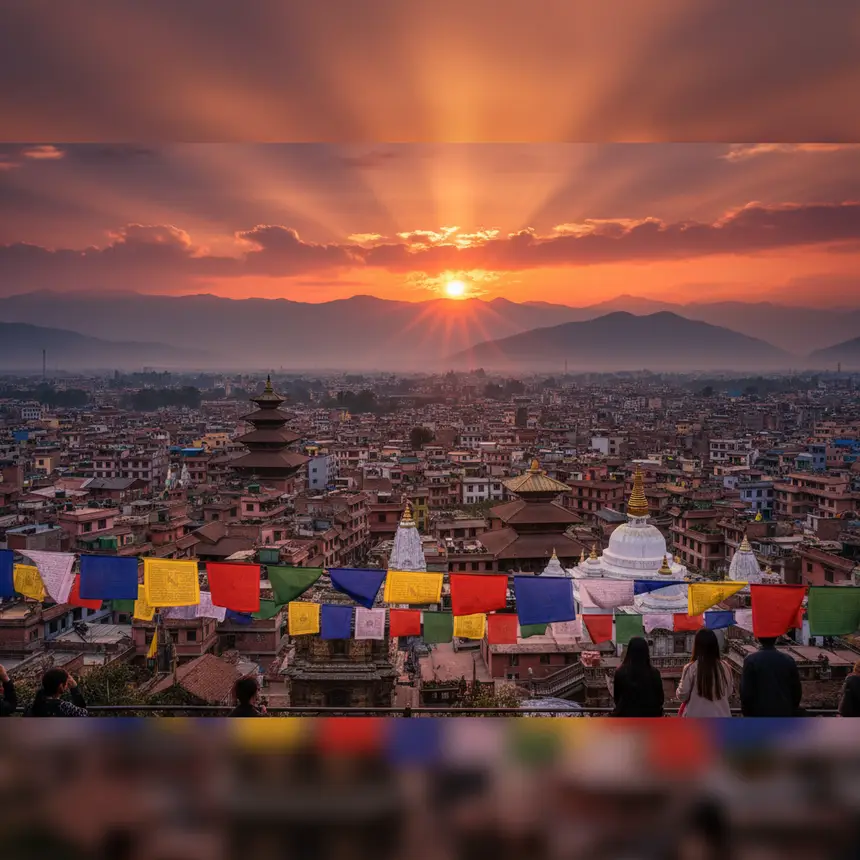
Nestled in a valley approximately 4,600 feet above sea level, Kathmandu serves as Nepal's undeniable political, economic, and cultural nexus. Traces of the ancient dynasties that once ruled this land are alive in every corner, with numerous UNESCO World Heritage sites standing as timeless testaments to its rich past. The city's undeniable allure lies in its dynamic energy and the unexpected beauty found within its constant motion. The narrow streets, often overflowing with cars, motorcycles, bicycles, and a sea of people, might initially feel overwhelming. Yet, you'll quickly find yourself captivated by the resilience and warmth of the locals. Vendors selling their wares beside age-old temples, and children in traditional attire flashing bright smiles, all contribute to Kathmandu's unique, vibrant pulse. It's not merely a transit point; Kathmandu is a destination brimming with stories and experiences, promising indelible memories and a deep connection to a truly unique way of life.
※ This post contains affiliate links. I may earn a commission at no extra cost to you.

A Journey Through Time: Exploring Kathmandu's Iconic Landmarks
The essence of Kathmandu travel is best captured by exploring its remarkable cultural heritage, a direct link to its ancient royal past.
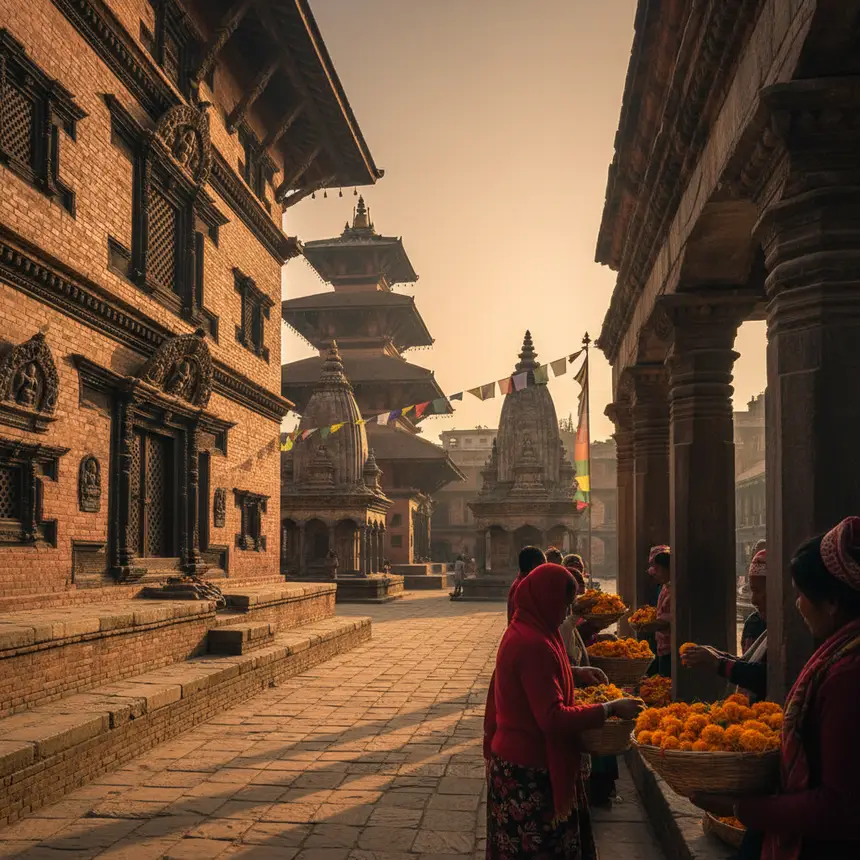
- Durbar Square: Kathmandu's Durbar Square, once the heart of the Malla kingdom, is an architectural marvel. It's an expansive plaza surrounded by palaces and temples adorned with exquisite wooden carvings and stone sculptures. Walking through this historic square feels like stepping back centuries, imagining the daily lives of royalty and commoners. Temples dedicated to Hindu deities, such as the Shiva Parvati Temple, each tell their own mythological tales and showcase incredible artistic value.
- Swayambhunath (Monkey Temple): Perched atop a hill with panoramic views of the Kathmandu Valley, Swayambhunath is one of Nepal's most sacred Buddhist sites. Legend has it that when the Kathmandu Valley was a vast lake, this spot was an island floating on a lotus. The colossal white stupa, with the all-seeing eyes of Buddha gazing in four directions, is crowned by thirteen golden rings symbolizing the stages to enlightenment. True to its nickname, "Monkey Temple," numerous monkeys roam freely, adding to its mystic charm. The steep climb to the temple is lined with prayer flags and smaller shrines, enhancing the spiritual atmosphere.
- Patan Durbar Square: A short journey from Kathmandu lies Patan, often called the "City of Fine Arts." Patan Durbar Square is a remarkably well-preserved complex of former royal palaces and temples, giving visitors the impression of strolling through an open-air museum. The intricate details of its carvings and unique architectural styles are a testament to the unparalleled skill of Newari artisans. It offers a quieter, more contemplative atmosphere to absorb the ancient city's grandeur.
Smart Travel: Practical Tips for a Fulfilling Kathmandu Experience
To make your Kathmandu travel experience even more rewarding, here are some practical tips:
- Accommodation Choices: If you thrive in a lively environment, consider staying in areas popular with travelers, where amenities are plentiful. Options range from budget-friendly guesthouses to more upscale hotels, catering to every budget.
- Navigating the City: Kathmandu's transportation is an experience in itself. Embrace the local way by taking a rickshaw for short distances or simply walking to discover hidden corners. Understanding the chaotic traffic flow and adopting a patient mindset will enhance your journey.
- Local Cuisine Adventure: Sampling local delicacies is a highlight. From street snacks like samosas and momos (dumplings) to the staple Nepali meal, Dal Bhat, there’s a culinary adventure awaiting. If you're concerned about hygiene, opt for well-regarded restaurants or street food stalls frequented by many locals.
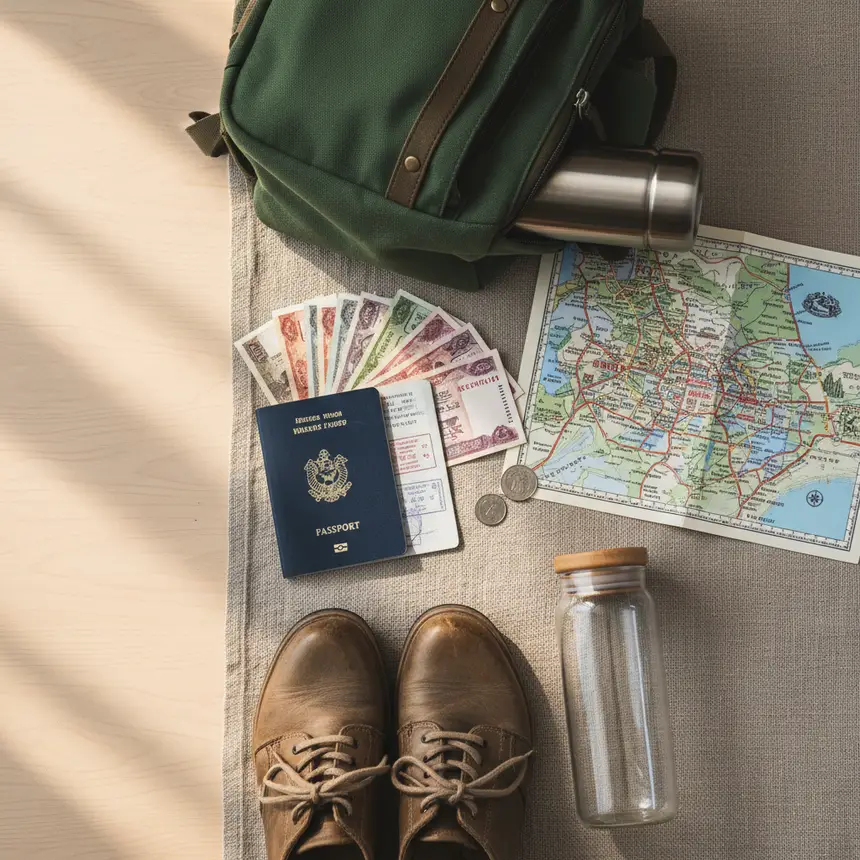
- Arrival and Visa: Nepal offers a visa-on-arrival facility at the airport. Be prepared with your passport, a passport-sized photo, and the visa fee. The process can take some time, so factor in potential delays upon arrival.
- Budgeting and Itinerary: Kathmandu is generally an affordable destination. You can expect to spend around $10-30 USD per night for a guesthouse, and $5-15 USD per day on food. Including entry fees for major sites, a daily budget of $30-50 USD is a good estimate. A 3-4 day itinerary allows ample time to explore the main attractions and soak in the city's unique vibe without feeling rushed.
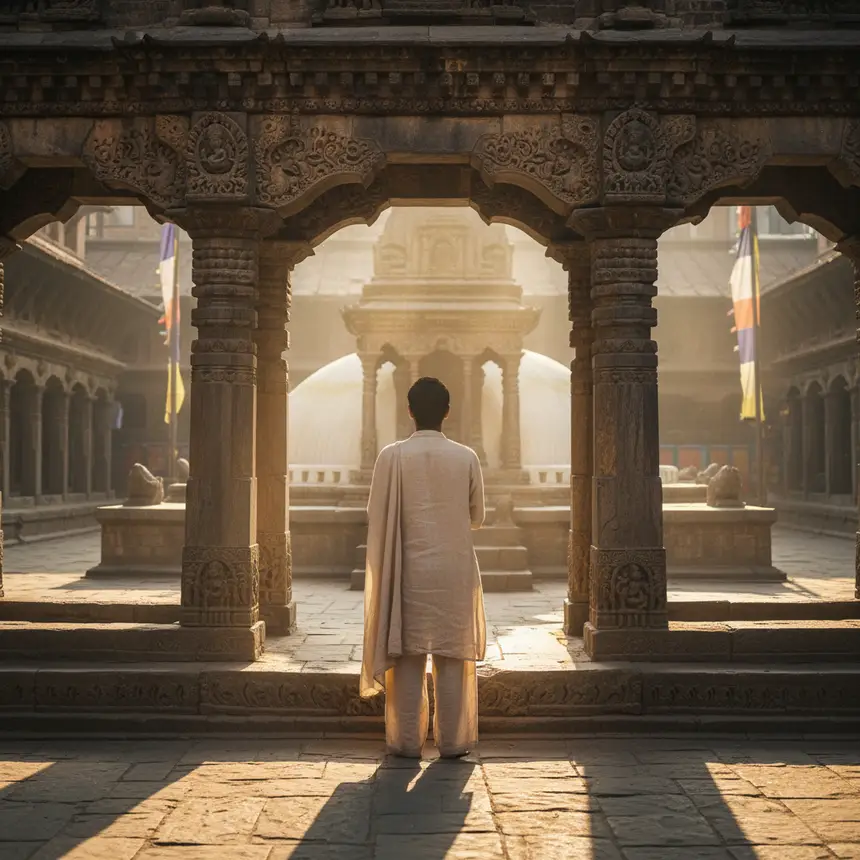
Kathmandu: A Journey That Awakens the Soul and Stays with You
Kathmandu offers more than just historical sightseeing; it provides a unique opportunity to connect with life's vibrant energy and profound spiritual depth. Here, ancient traditions and spiritual beliefs gracefully merge with modern life, offering new moments of awe at every turn. As you make eye contact with locals in bustling market streets, find peace in serene temple courtyards, and feel the mountain air carry the spirit of the Himalayas, you’ll truly fall for Kathmandu's undeniable charm. Experiences here often transcend mere travel memories, offering fresh perspectives on life itself. Why not embark on your own Kathmandu travel adventure soon and craft a unique story that will resonate long after you return home?
Frequently Asked Questions
Q. What is the best time of year to visit Kathmandu?
A. The ideal time for Kathmandu travel is during the dry seasons: October to November and March to April. The weather is pleasant and clear, offering excellent views of the Himalayas.
Q. What are the most convenient ways to get around Kathmandu city?
A. Walking is often the best way to explore Kathmandu's core areas. For longer distances, rickshaws (bicycle taxis), regular taxis, or local buses are available. Remember to negotiate fares with rickshaws and taxis or request meter usage.
Q. What local foods are a must-try in Kathmandu?
A. Be sure to try Dal Bhat (the national dish), Momos (Nepali dumplings), Aloo Chat (spicy potato snack), and Samosas, which are readily available from street vendors.
Q. What safety precautions should I take when traveling in Kathmandu?
A. Be mindful of pickpockets in crowded markets. Always drink bottled or purified water. It's advisable to avoid walking alone late at night and to keep valuables secured or out of sight.
Q. What are some good souvenirs to buy in Kathmandu?
A. Popular souvenirs include Pashmina scarves, handmade paper products, teas, spices, prayer wheels, Thangka paintings, and various handicrafts. Haggling is expected and part of the shopping experience.